
Heritage Routes & Cultural Corridors
Step-by-step exploration of ancient caravan arteries, madrasas, and architectural monuments across Anatolia and the Islamic world.
Explore Cultural Corridors
Multi-day historical journey itineraries across Anatolia and the Islamic world.
Silk Road Caravan Corridor
380-km Seljuk trade route from Eşrefoğlu Mosque in Beyşehir and Karatay Madrasa in Konya to Sultan Han in Aksaray and Döner Kümbet in Kayseri.
Sivas Seljuk & Mengujek Route
From turquoise tiles of Sivas Gökmedrese and Çifte Minareli Madrasa to UNESCO-listed stone baroque sculptures of Divriği Hospital.
Yeşilırmak & Danishmendid Route of Learning
Centers of learning spanning from Tokat Gökmedrese tiles to early domed courtyards of Niksar Yağıbasan Madrasa.
Mediterranean & Taurus Seljuk Caravan Corridor
Taurus caravan route spanning Alara and Şarapsa inns in Alanya to Kırkgöz and Evdir inns in Antalya, continuing to Susuz Han in Burdur.
Lakes Region Seljuk & Wooden Sanctuaries Corridor
Seljuk lakes itinerary stretching from Taurus mountain passes and Bucak caravanserais to Dündar Bey Madrasa in Eğirdir, Eşrefoğlu Mosque and Kubadabad Palace in Beyşehir.
Upper Mesopotamia Artuqid Route
Basalt walls of Diyarbakır to monumental Malabadi Bridge over Batman River and scenic stone madrasas of Mardin overlooking Mesopotamia.
Urfa & Harran Plain Ancient Heritage Corridor
Millennial slow travel route connecting Urfa Citadel and Balıklıgöl to beehive houses, ancient university, and observatory of Harran.
Eastern Anatolia Kümbet & Madrasa Corridor
From Tercan Mama Hatun and Erzurum Çifte Minareli to stone kümbets of Ahlat and Halime Hatun Tomb on the shores of Lake Van in Gevaş.
Early Capitals & Hypostyle Mosques Corridor
From Koza Han and Cem Sultan Tomb in Bursa to UNESCO-inscribed wooden hypostyle columns of Sivrihisar Great Mosque and Âlemşah Tomb.
Thrace & Rumelia Transit Corridor
From Uzunköprü—the longest stone bridge in the world spanning the Ergene River—to royal bridges and Balkan waypoints of Edirne.
Great Seljuk & Ilkhanid Eastern Heritage Corridor
From Momine Khatun Mausoleum in Nakhchivan to Üç Günbed in Urmia and millennial brick tower of Gonbad-e Kavus by the Caspian.
All Monuments & Guides (85)
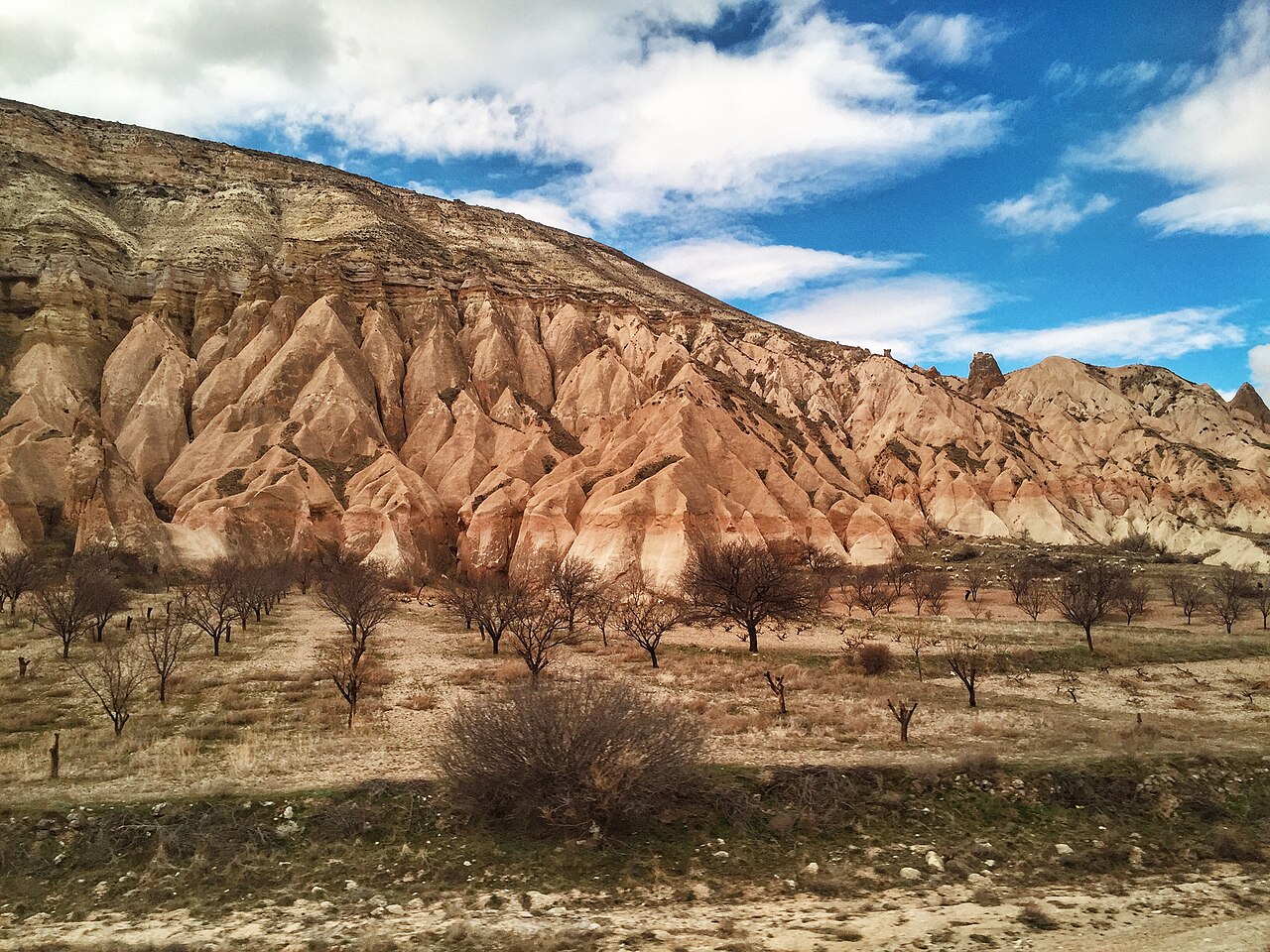
Göreme National Park: Heritage Carved into Rock
Göreme National Park, a UNESCO World Heritage Site, is renowned for its unique volcanic tuff formations and rock-carved monasteries.
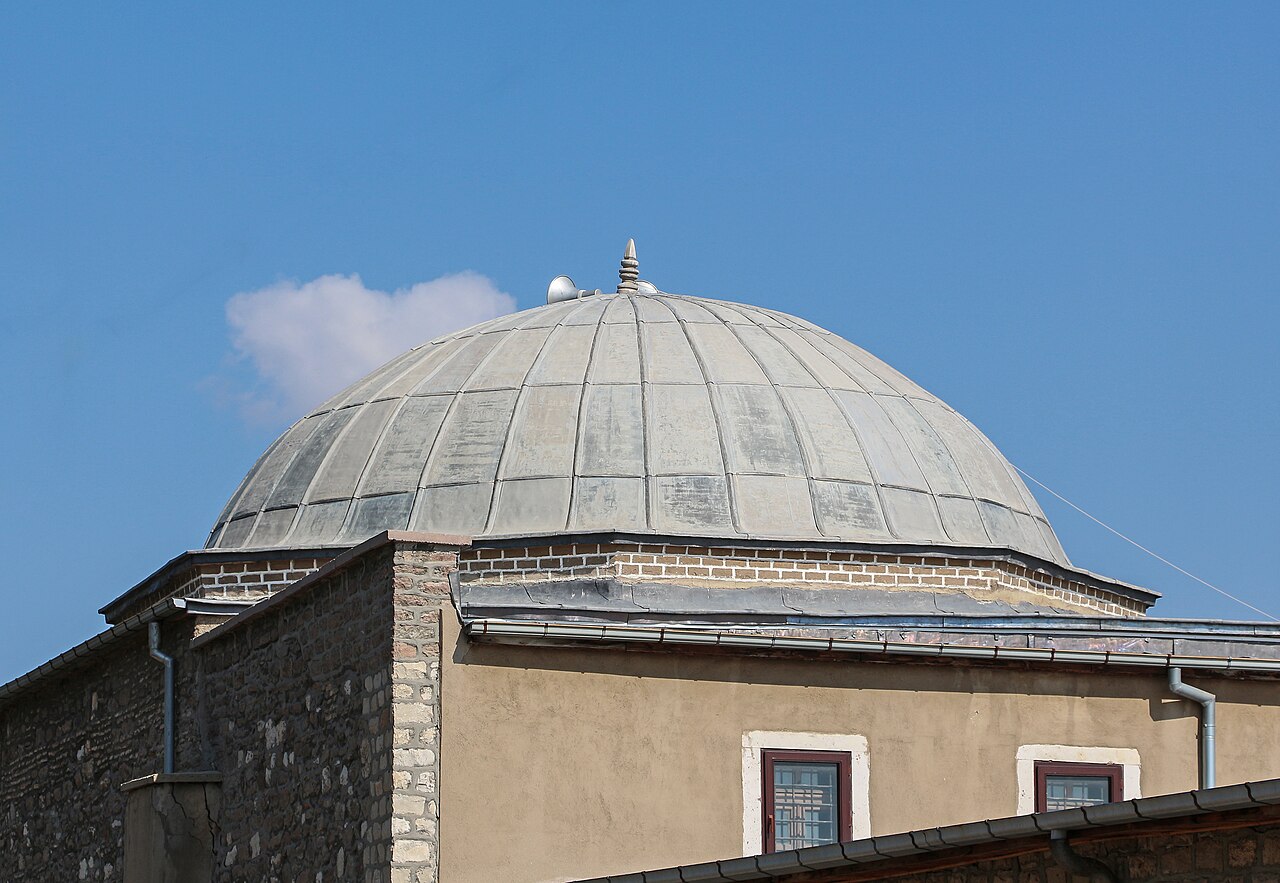
Alâeddin Mosque: Structures of the Seljuk Period
A large-scale mosque built during the Anatolian Seljuk period under the patronage of the sultan, located in Niğde's inner castle.
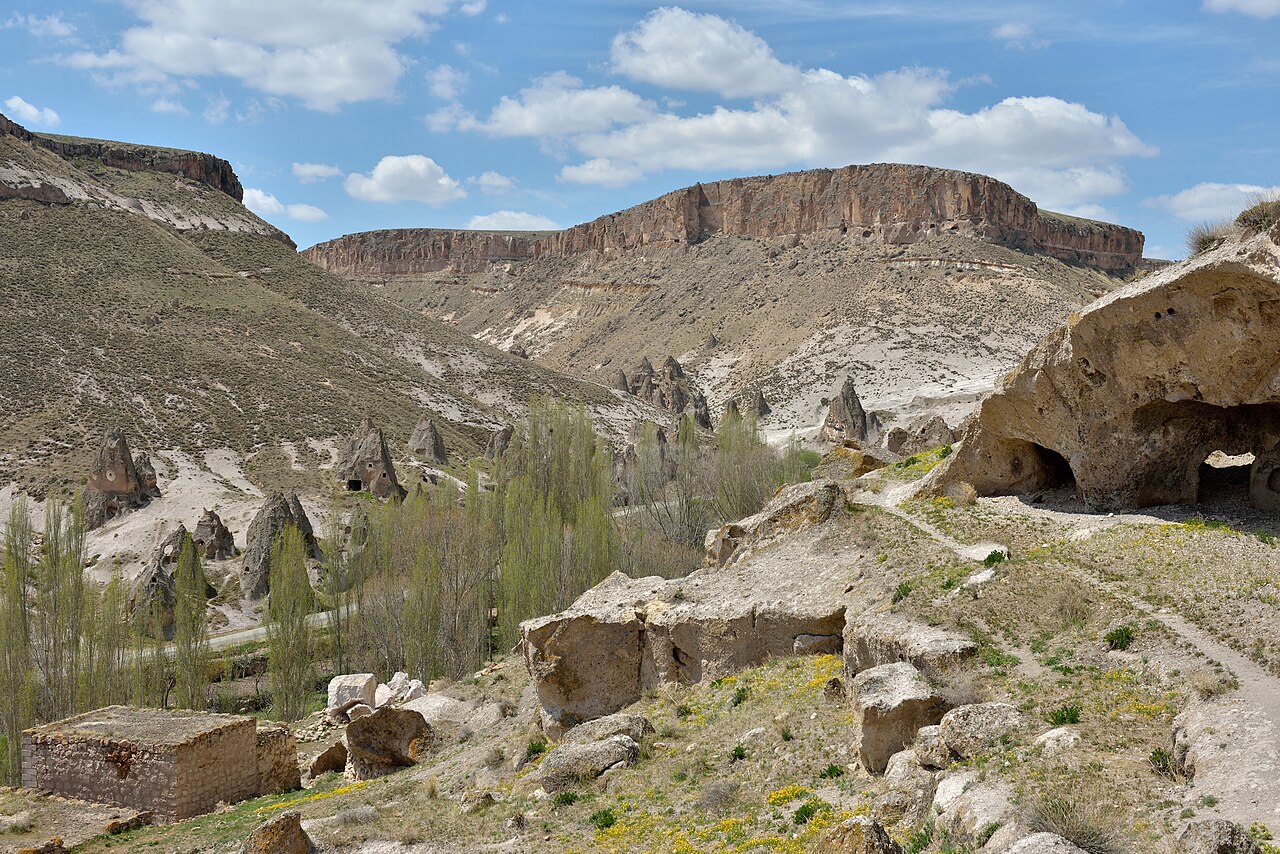
Soğanlı Valley and the Dome-Shaped Rock Churches
Soğanlı Valley in Kayseri's Yeşilhisar district is renowned for its 9–13th-century Byzantine rock churches and monasteries.
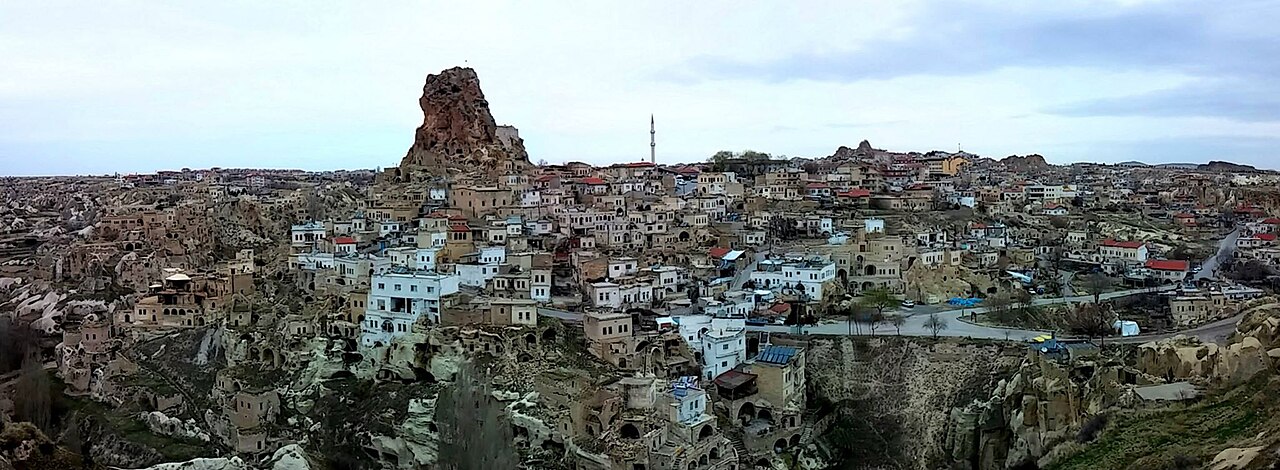
Rock Castles of Uchisar and Ortahisar
Rock-cut castles and historic structures in Uchisar and Urgup, Nevsehir, Turkey, showcasing ancient cultural heritage.
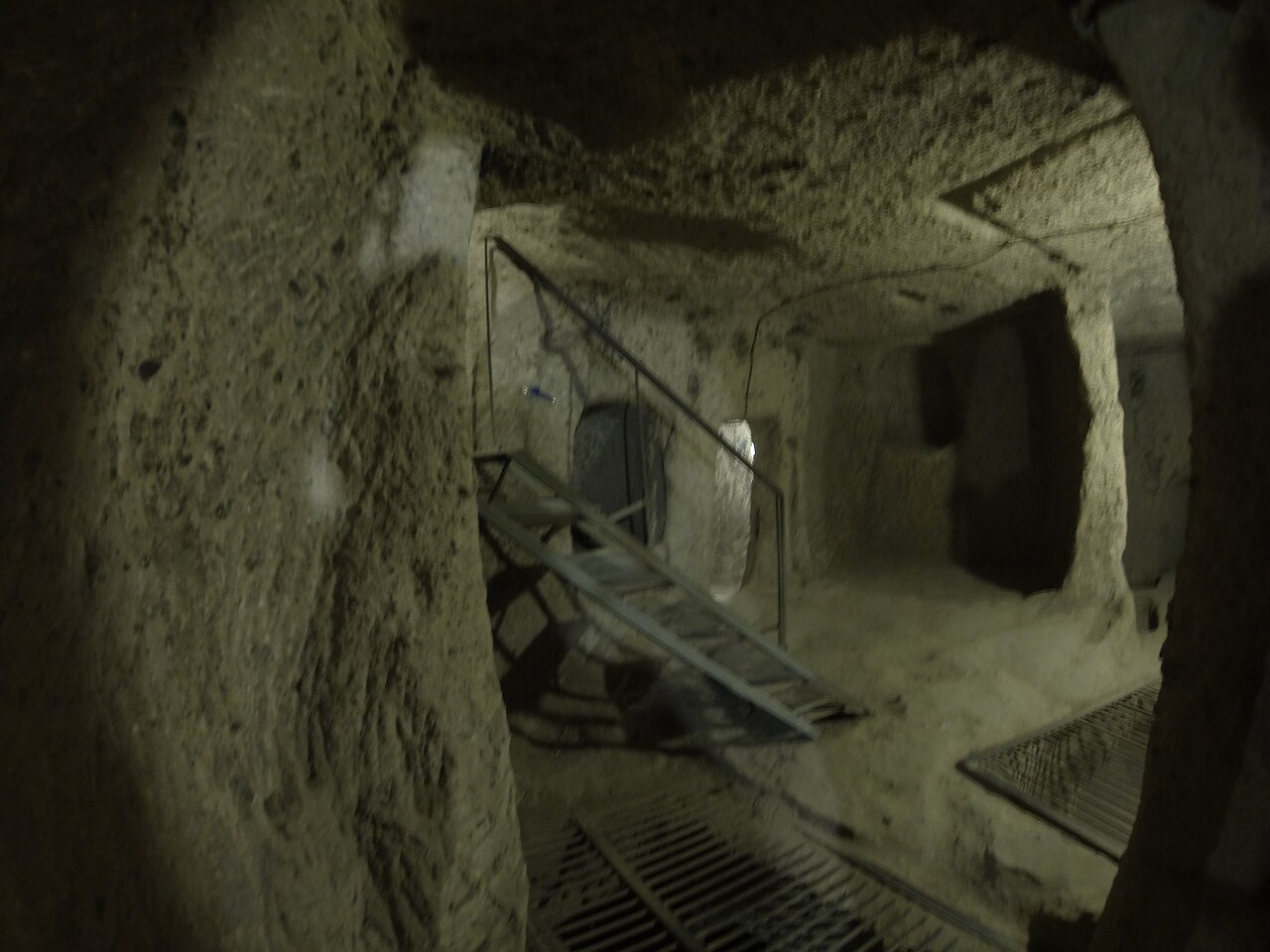
Kaymakli Underground City: Cappadocia's Multi-Level Refuge
An eight-level underground city carved into soft tuff rock, located in Kaymakli village, 19 km from Nevşehir's center.
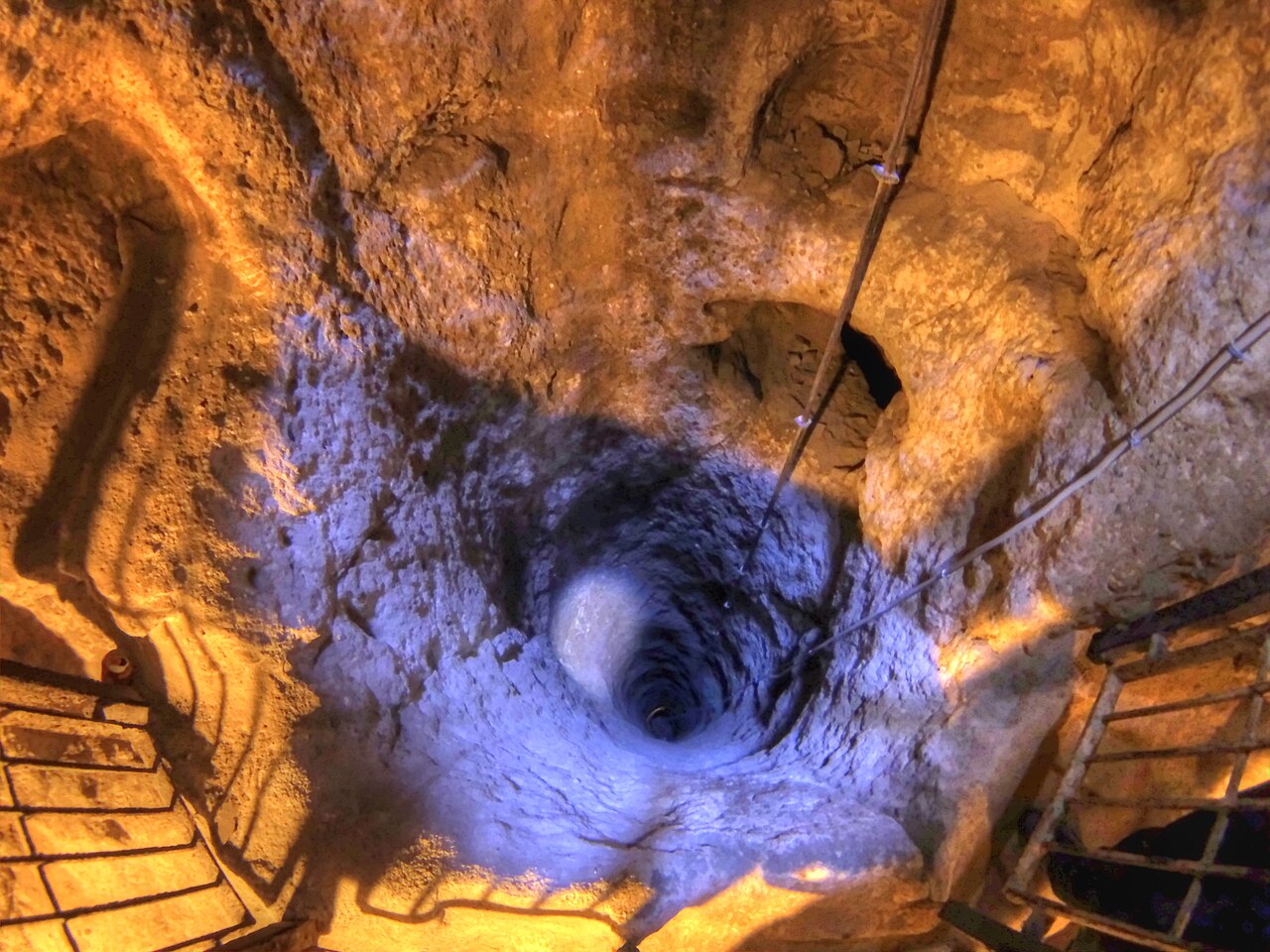
Derinkuyu Underground City: A Multi-Level Rock-Carved Settlement in Cappadocia
Derinkuyu Underground City is a multi-level refuge settlement carved into volcanic tuff rocks, located in Derinkuyu district, Nevşehir, Central Anatolia, Turkey.
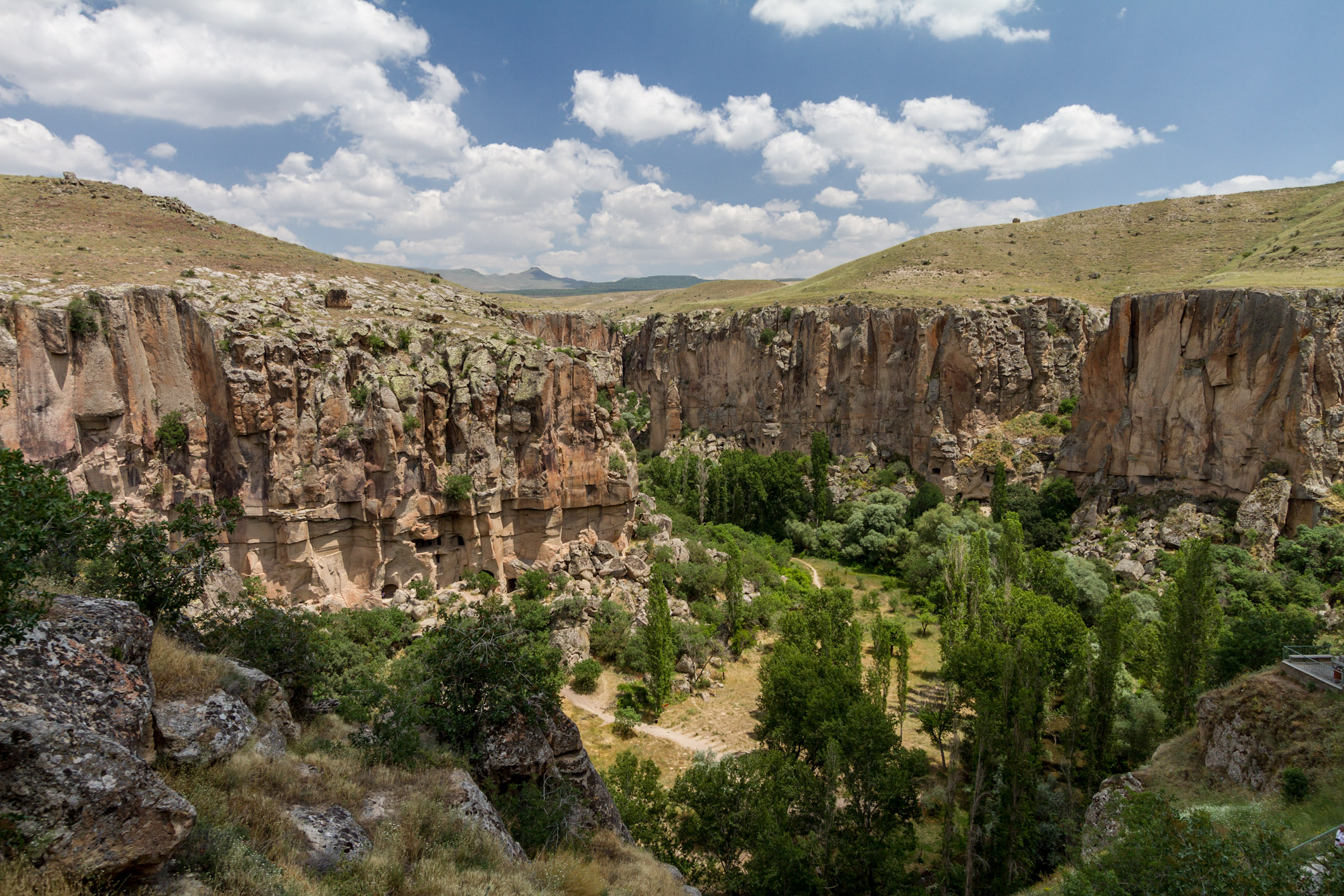
Ihlara Valley and Rock Churches: Rock Architecture Along the Melendiz River
A deep canyon valley formed by erosion of tuff layers from the Hasandağ volcano along the Melendiz River, featuring 50 churches and historical Seljuk-era inscriptions.
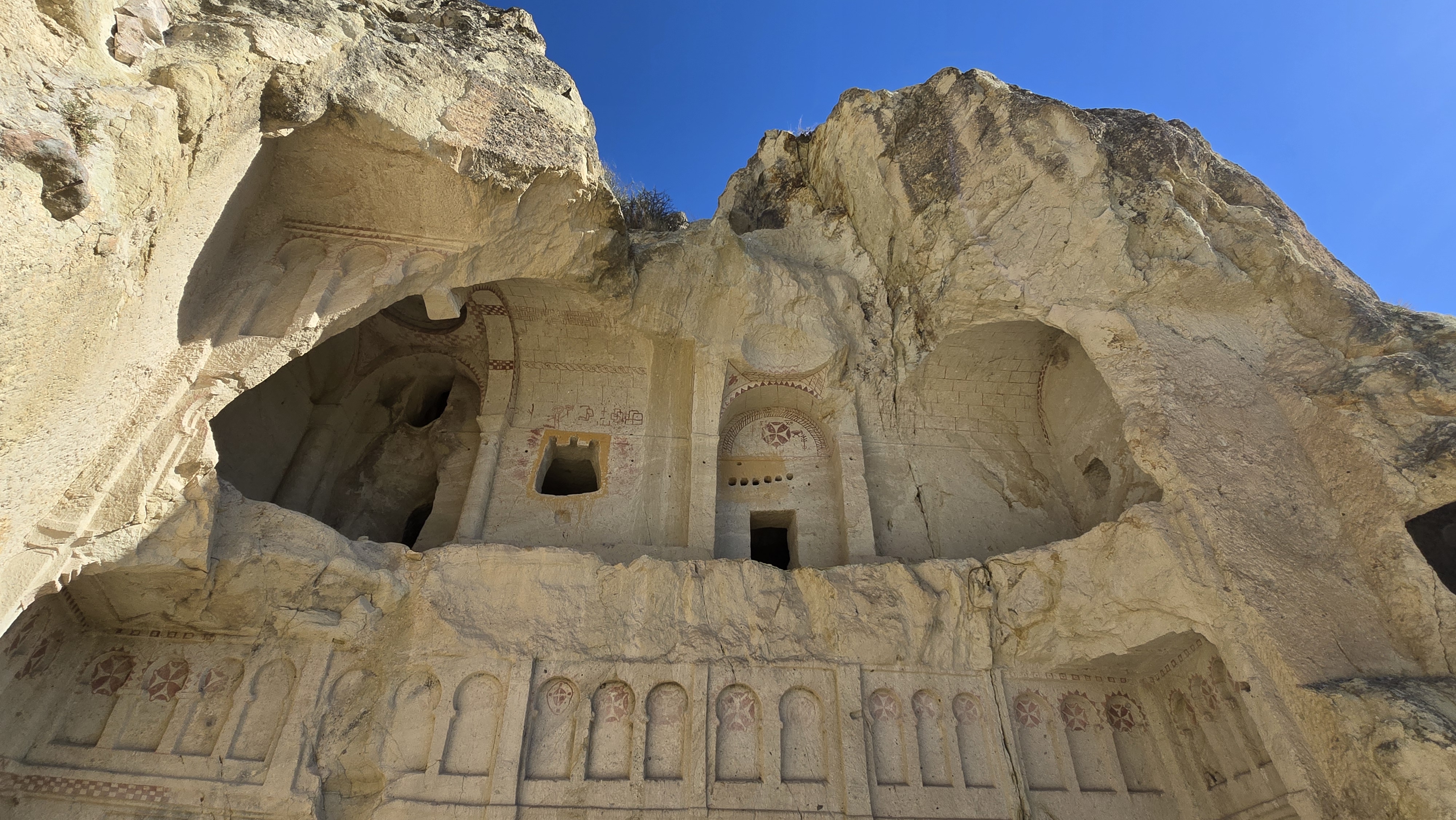
The Dark Church of Göreme: Byzantine Rock Carvings in Cappadocia
A Middle Byzantine-era church carved into tuff rocks in Göreme, Cappadocia, adorned with vibrant frescoes and ancient artistry.
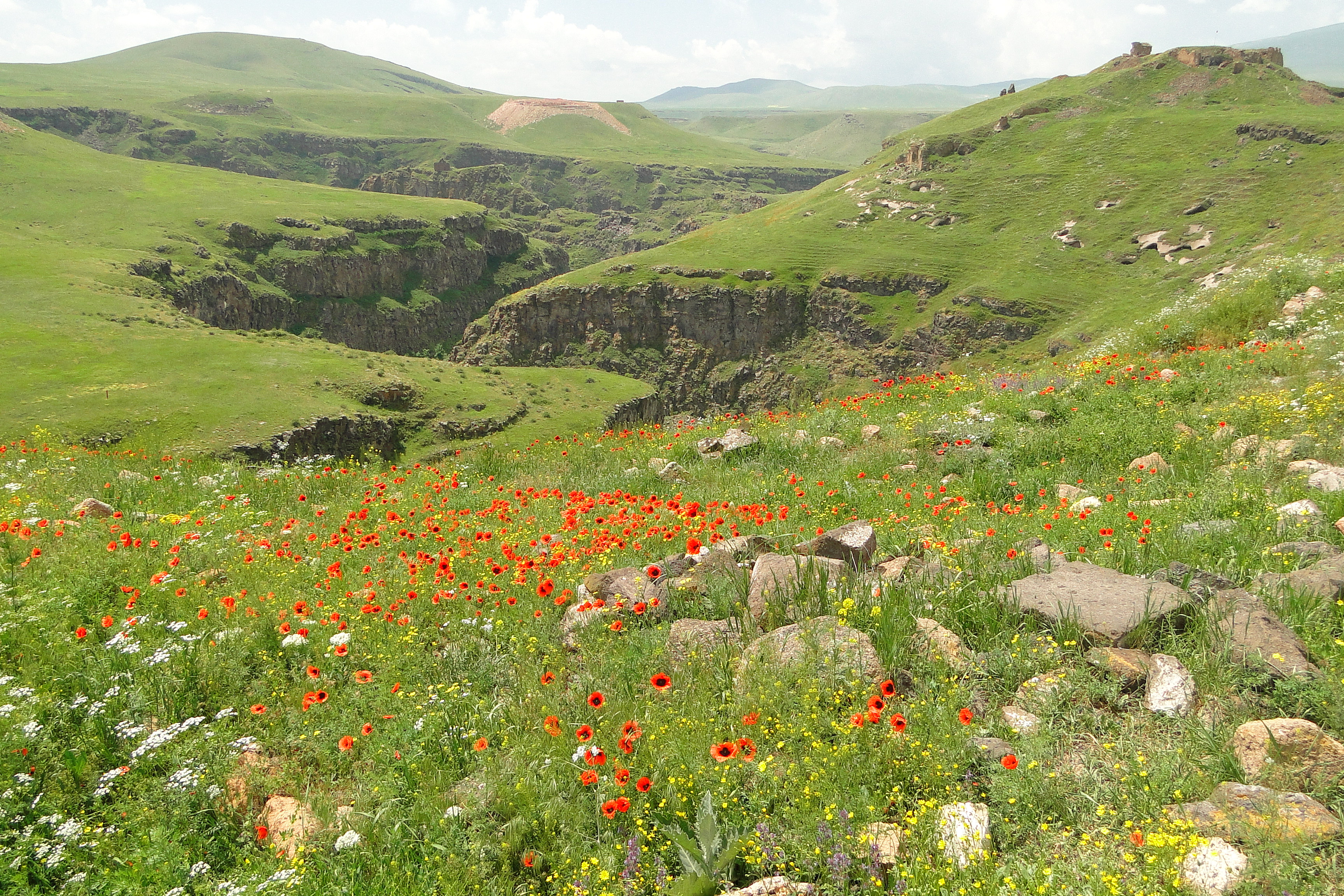
Ani Archaeological Site: The Ancient City on the Arpaçay Gorge
Explore Ani on the Arpaçay canyon, a multi-layered UNESCO World Heritage site and ancient city spanning 250.7 hectares across eastern Turkey.
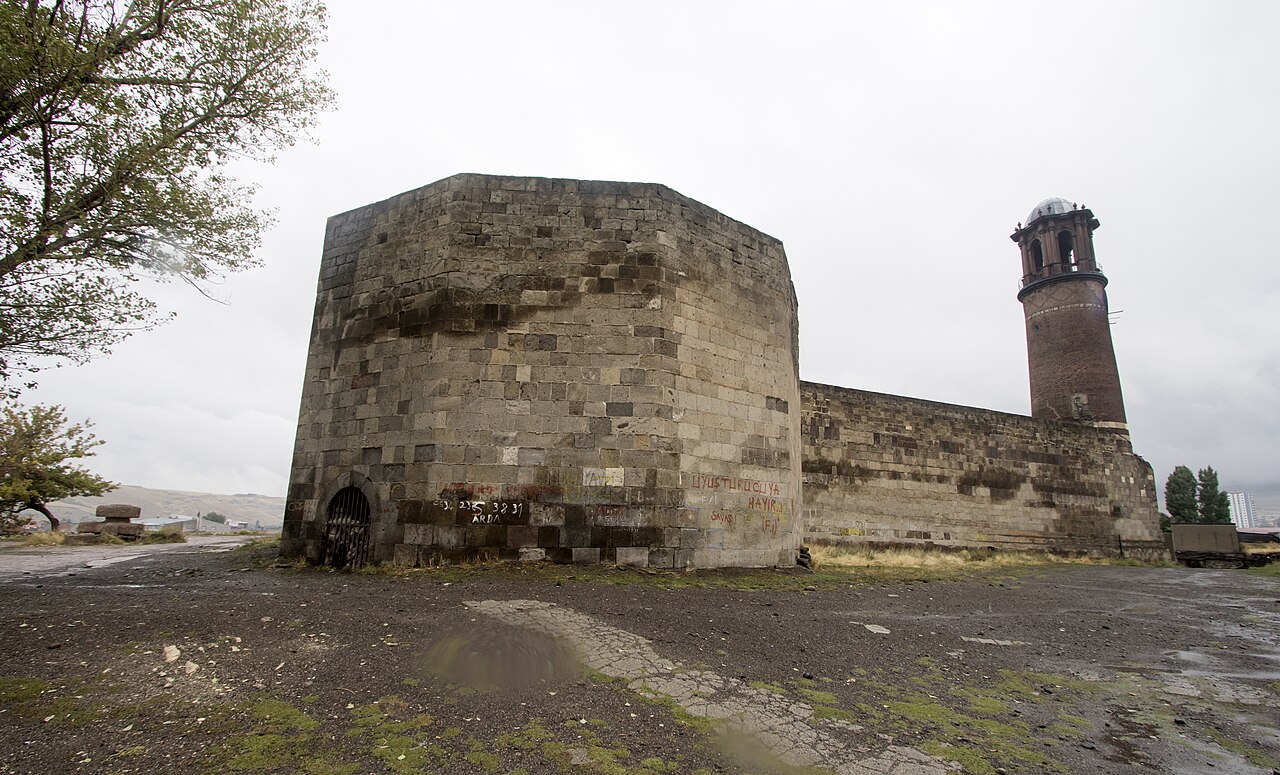
Erzurum Castle and Clock Tower: A Historical Architecture Guide
Erzurum Castle, home to the historic Clock Tower, stands in Yakutiye district. Dating back to the 5th century, it is the city's oldest cultural monument.
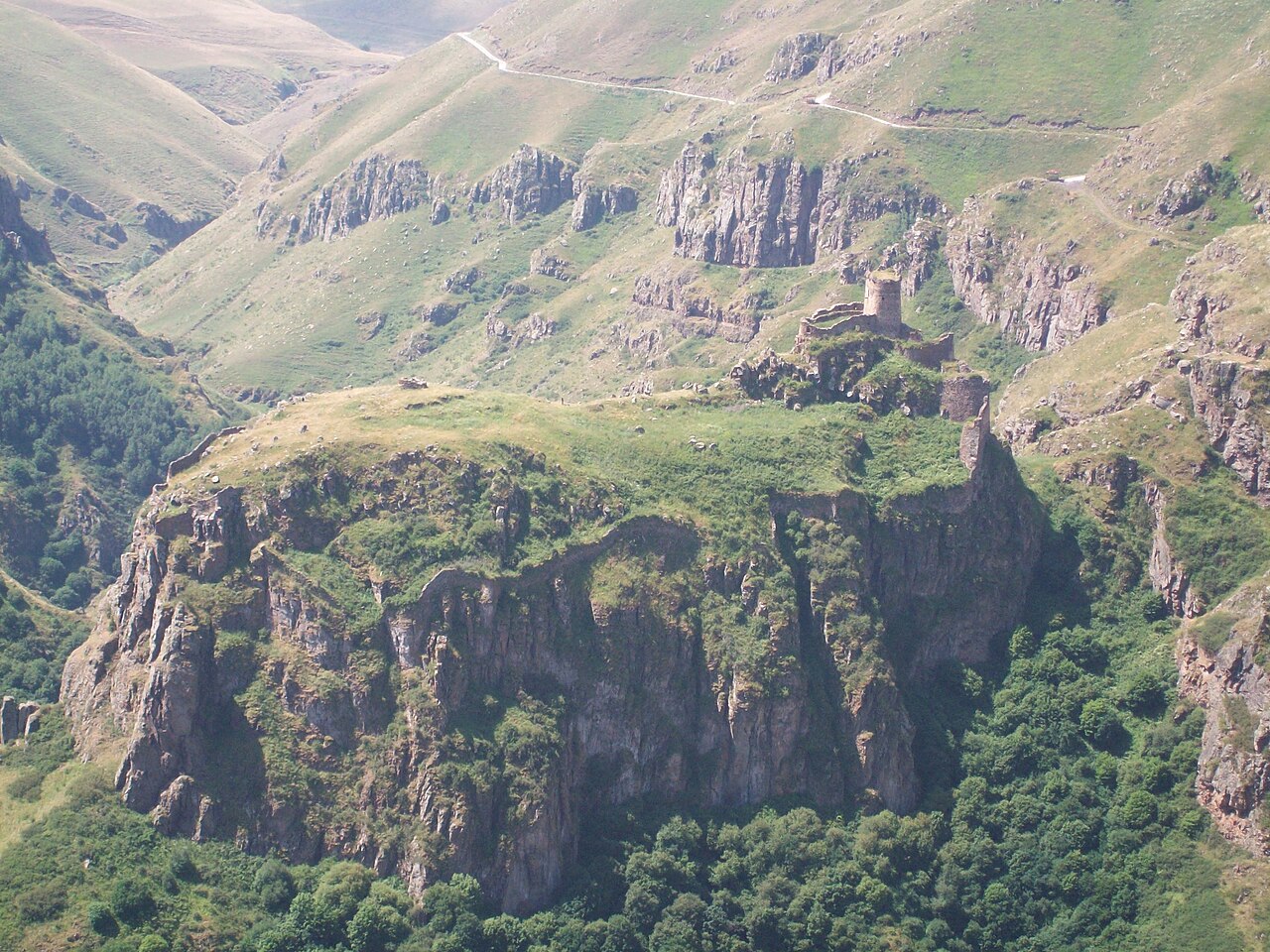
Devil's Castle: Medieval Fortress of Çıldır
Devil's Castle, a medieval fortress in Çıldır, Ardahan, rises on a rocky peninsula in Karaçay Valley, showcasing Turkey's historic defensive architecture.
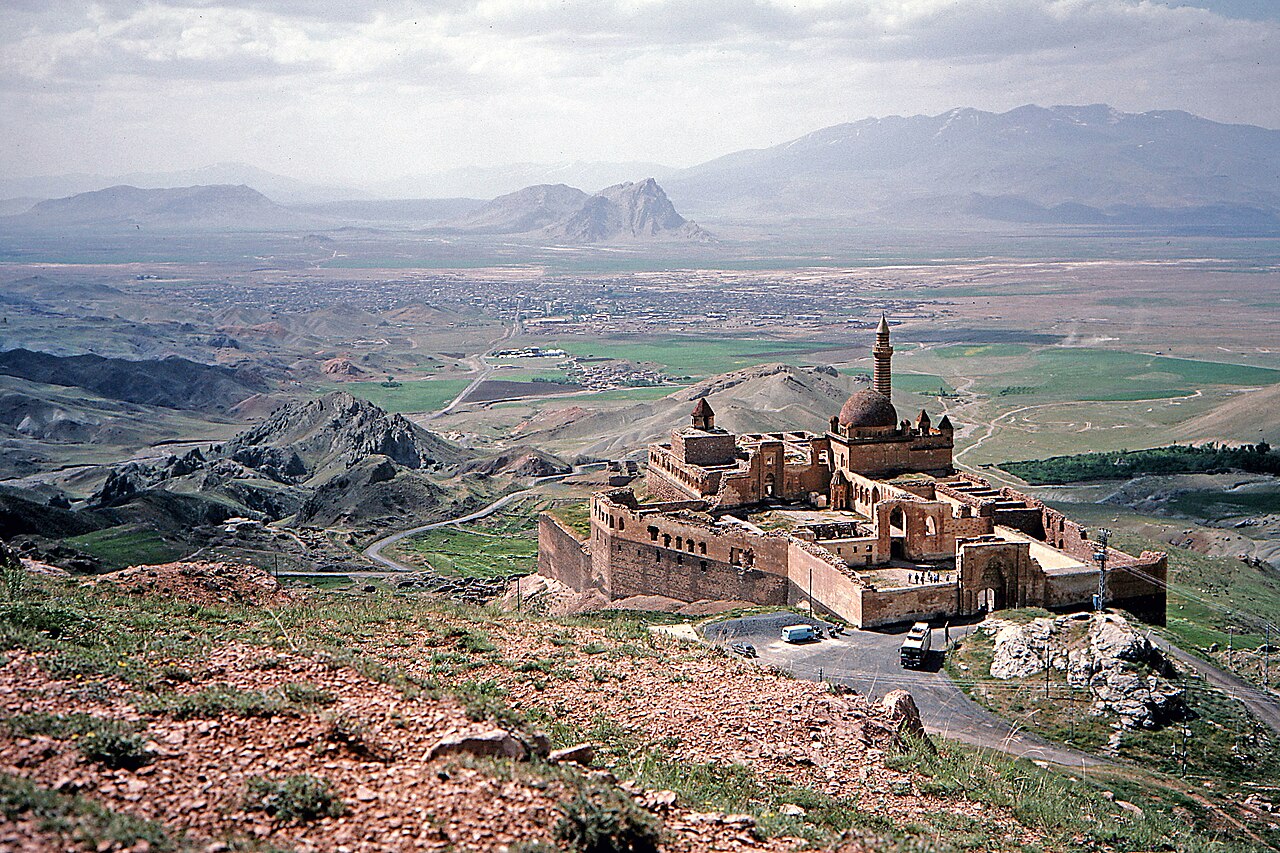
Ishak Pasha Palace: A Rising Stone Complex in Doğubayazıt
Ishak Pasha Palace in Doğubayazıt, Ağrı, blends architectural styles into a stone complex on UNESCO’s Tentative List, reflecting the region’s heritage.
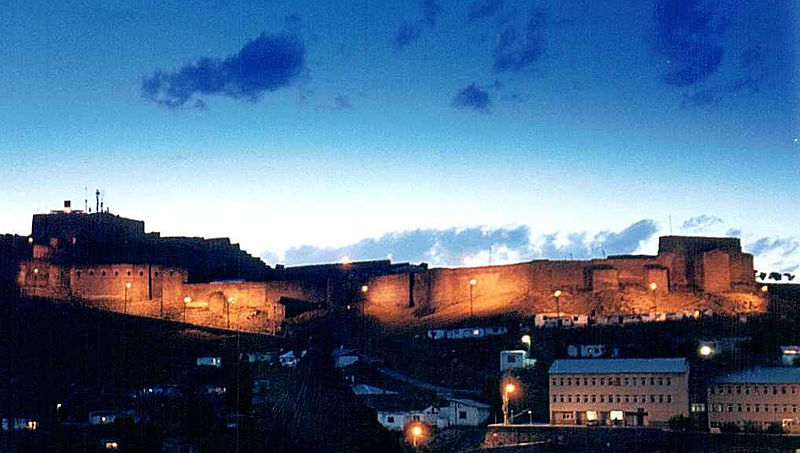
Kars Castle and Havariler Church: Historic Pillars of Central Kars
Kars Castle and the Havariler Church, located in the heart of Kars, showcase the city’s medieval military and religious heritage, linking past to present.
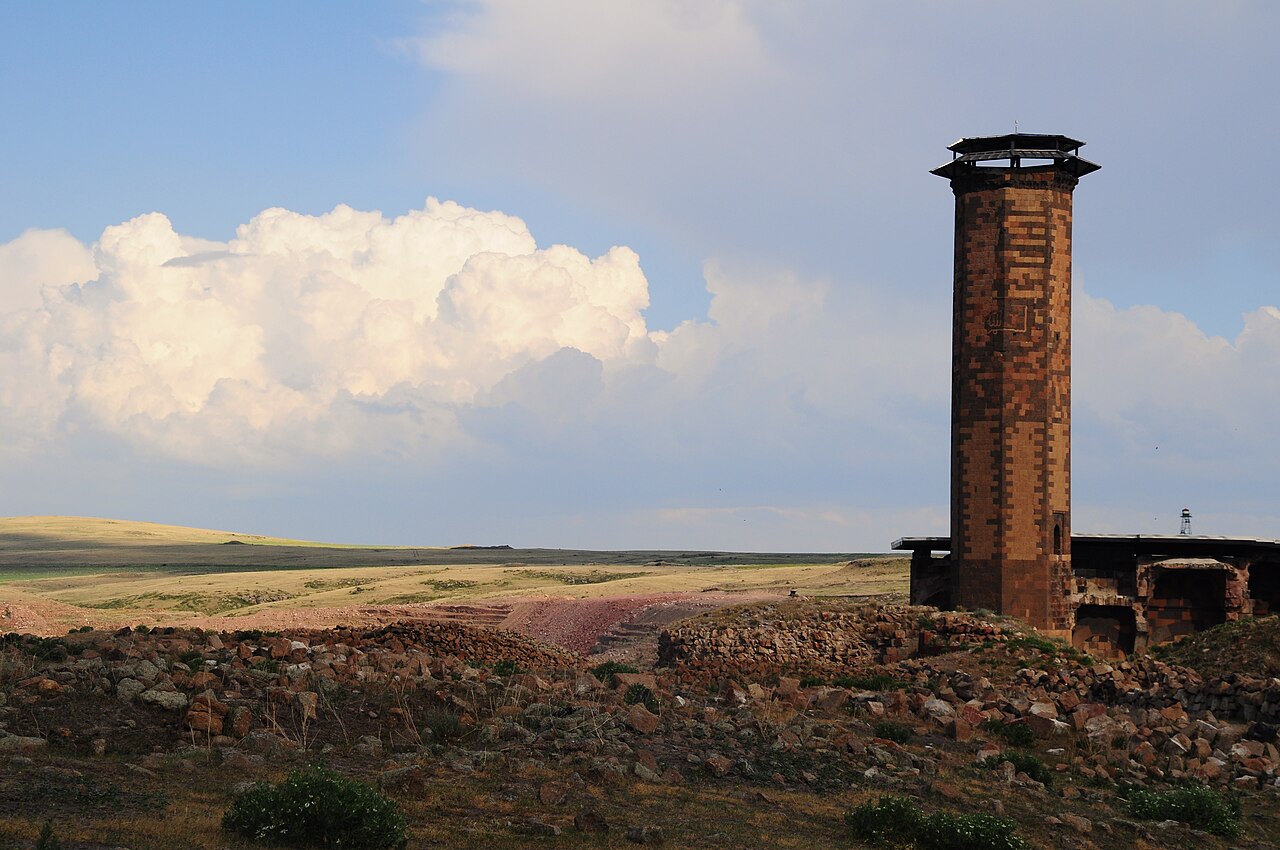
Ani Menuchir Mosque: A Historic Monument in Kars
The Ani Menuchir Mosque in Kars, a UNESCO‑protected site, features colorful stone decorations and an octagonal minaret, reflecting the region's rich heritage.
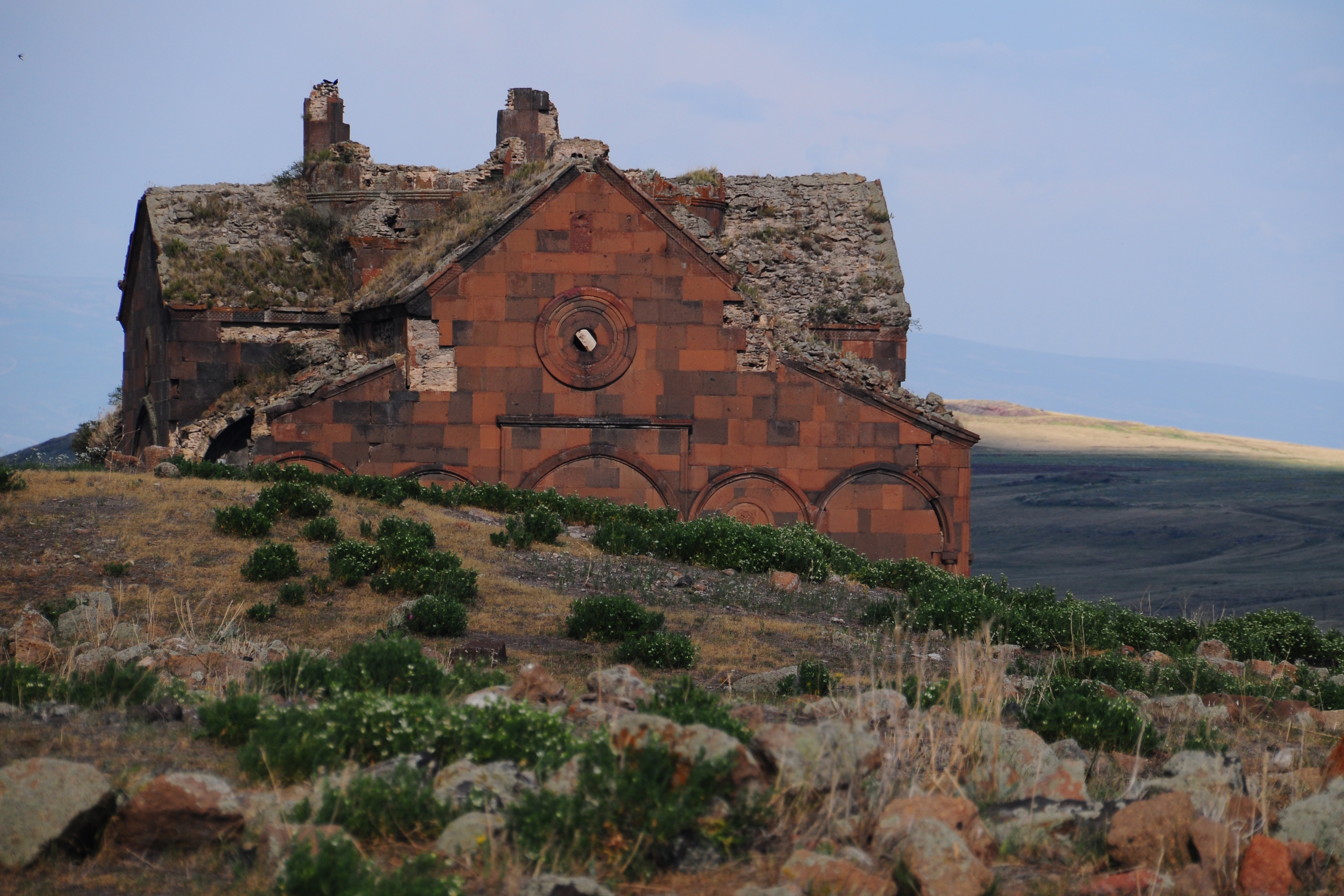
Ani: A Medieval City of Ancient Heritage
Ani, located in northeastern Anatolia, is a medieval city with a history dating back to the Late Chalcolithic period and rich monumental architecture.
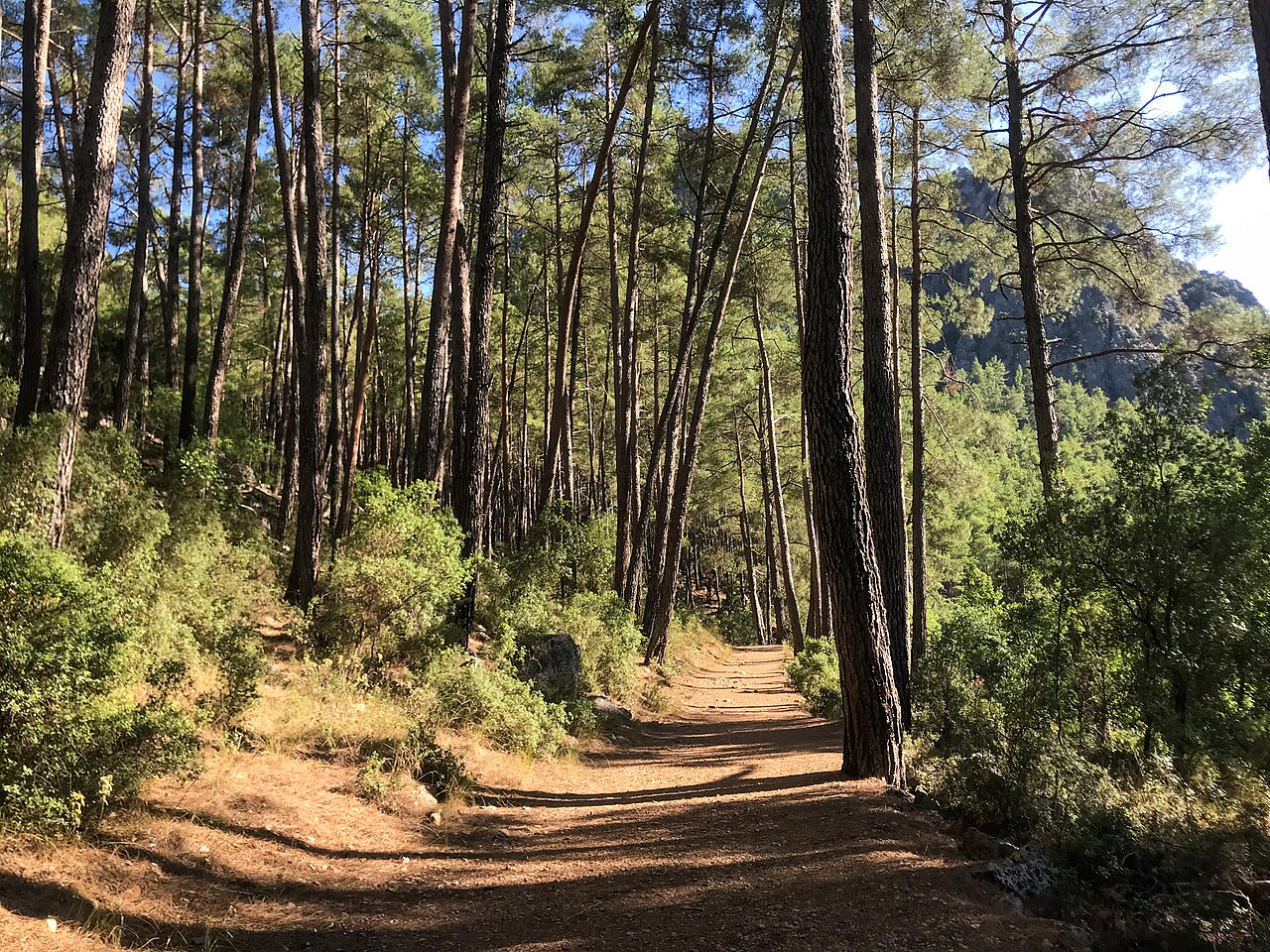
St. Paul's Trail: From the Mediterranean to the Lakes Region
St. Paul's Trail traces a historic route from Antalya's Perge to Isparta's Yalvaç, linking the Mediterranean and Lakes Region with Roman ruins and paths.
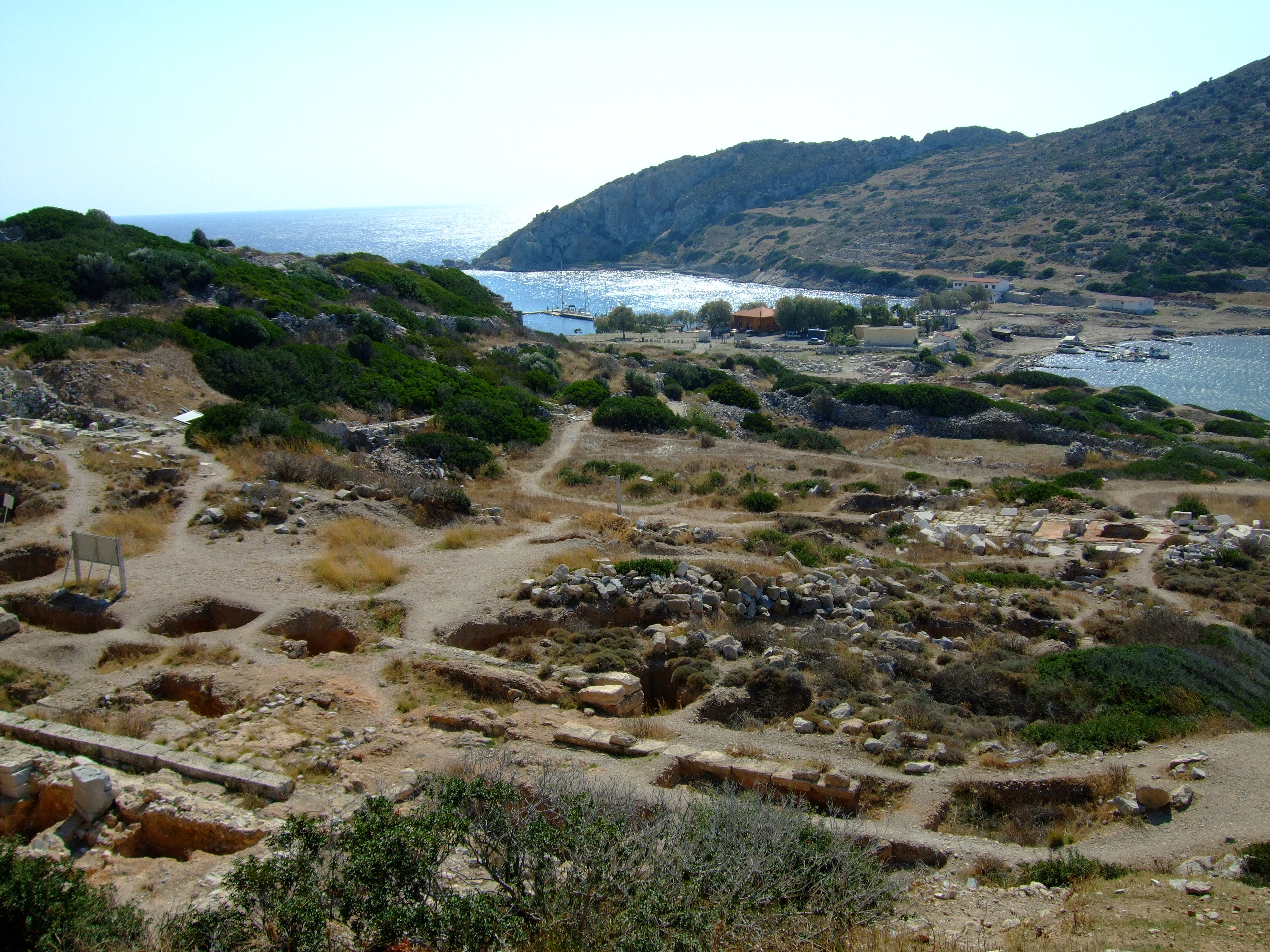
Karya Trail: Bozburun to Datça Hiking Route
The Karya Trail links ancient paths, mountain roads, and coastal villages across Aydın and Muğla, making it Turkey's longest hiking route for avid hikers.
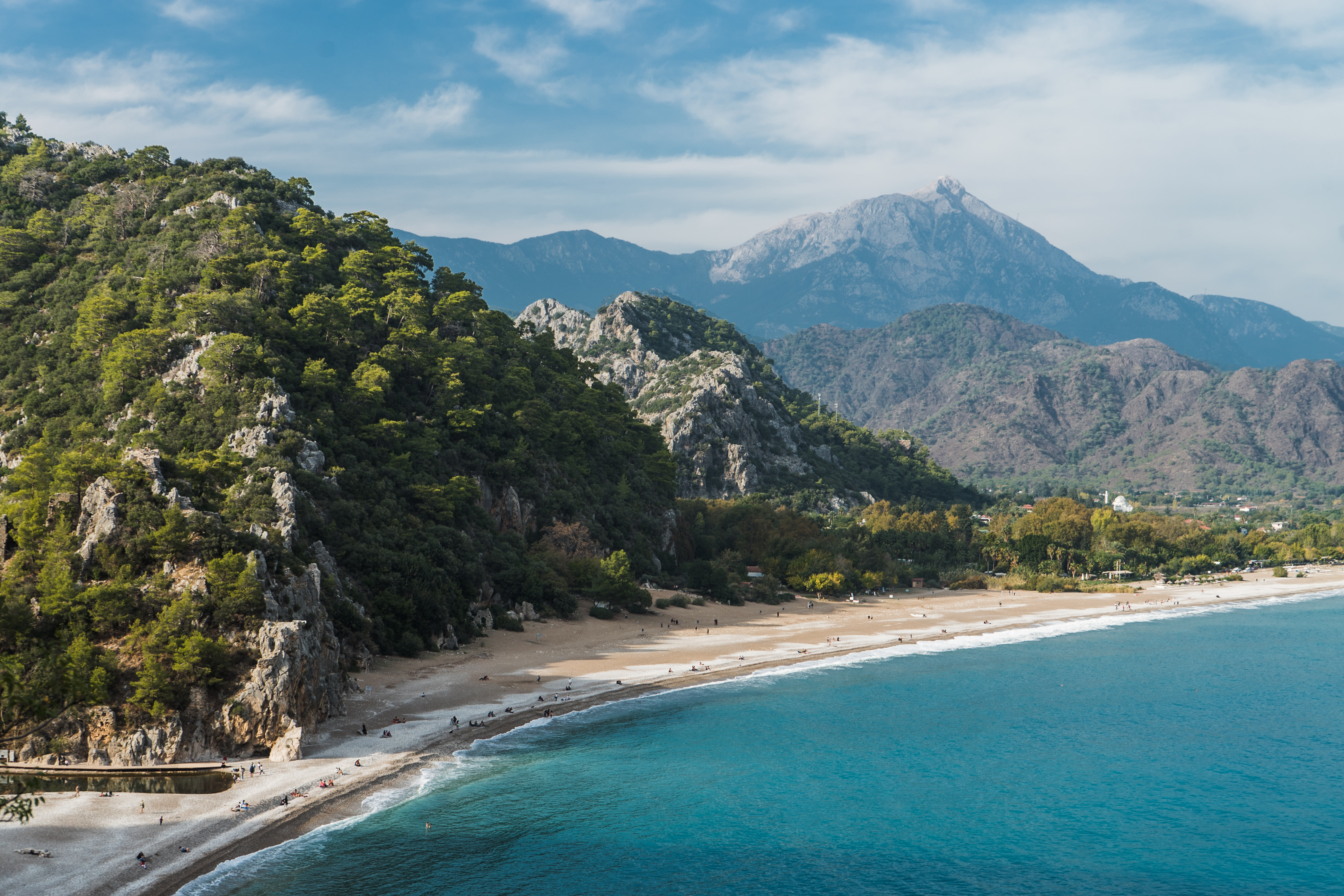
Lycia Trail and Antalya Region: Guide to Ancient Cities
Explore the Lycia Trail in the Teke Peninsula, discovering ancient cities, monumental tombs, harbors, and the rich cultural heritage spanning Antalya to Fethiye.
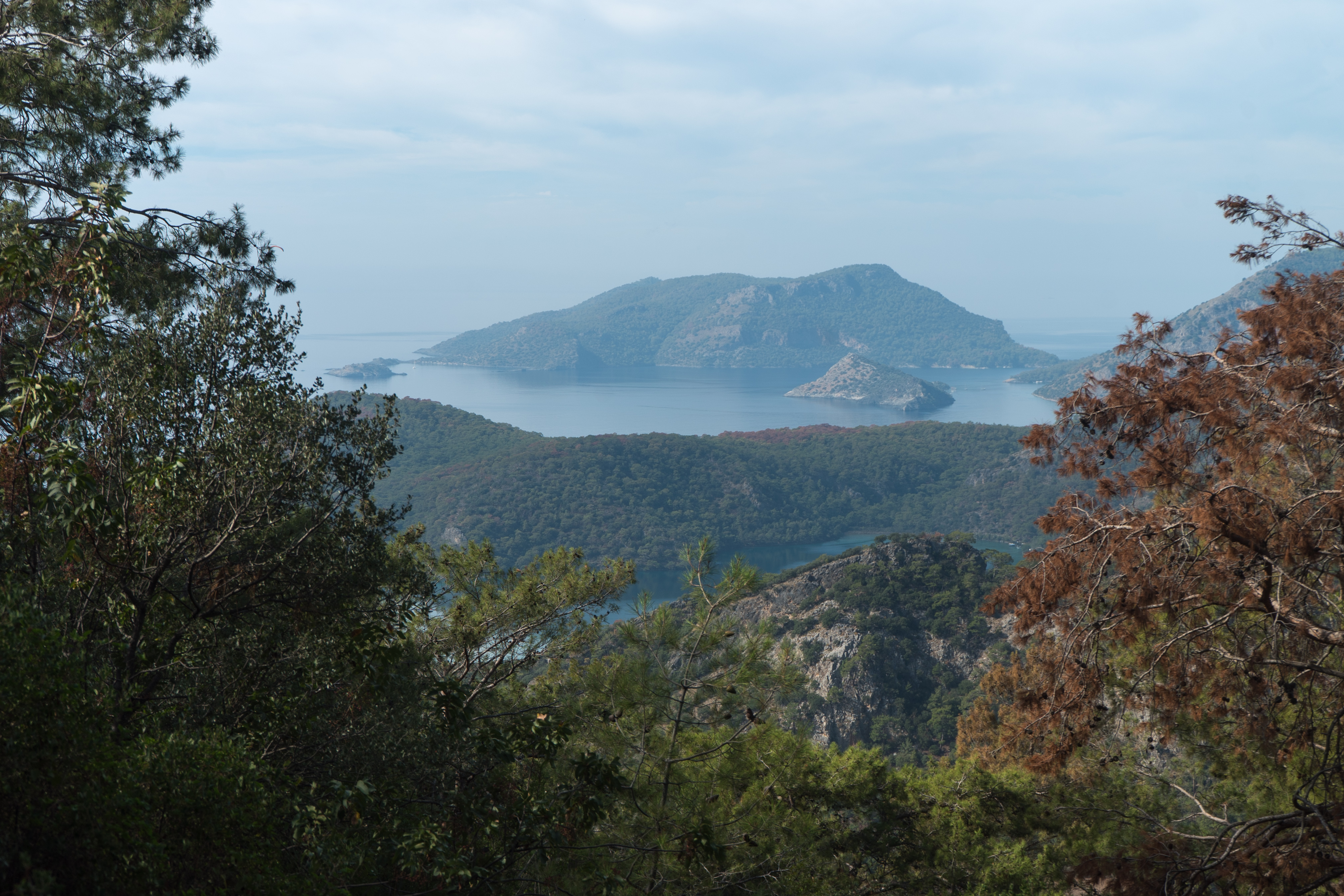
Lycian Way West Section: Cultural Route from Ovacık to Kaş
Explore the 184‑km Lycian Way west section linking Ovacık and Kaş, a cultural journey through ancient towns, villages, and stunning Mediterranean vistas.
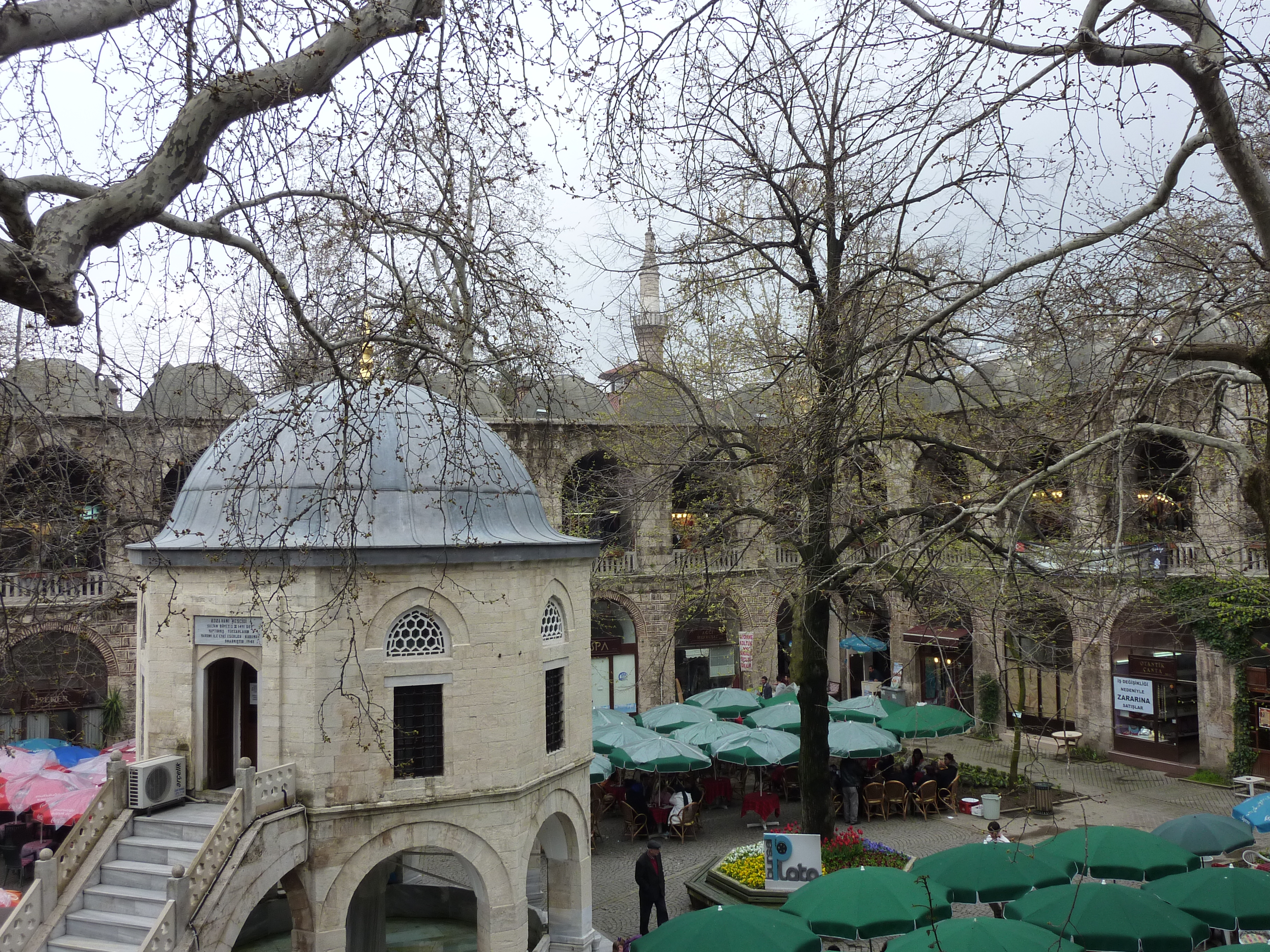
Bursa: From Prusa to the Early Ottoman Capital – A Cultural Heritage Journey
Bursa, founded as Prusa, became the capital of the Bithynian Kingdom and Ottoman Empire, preserving a cultural heritage from Uludağ foothills to the valley.
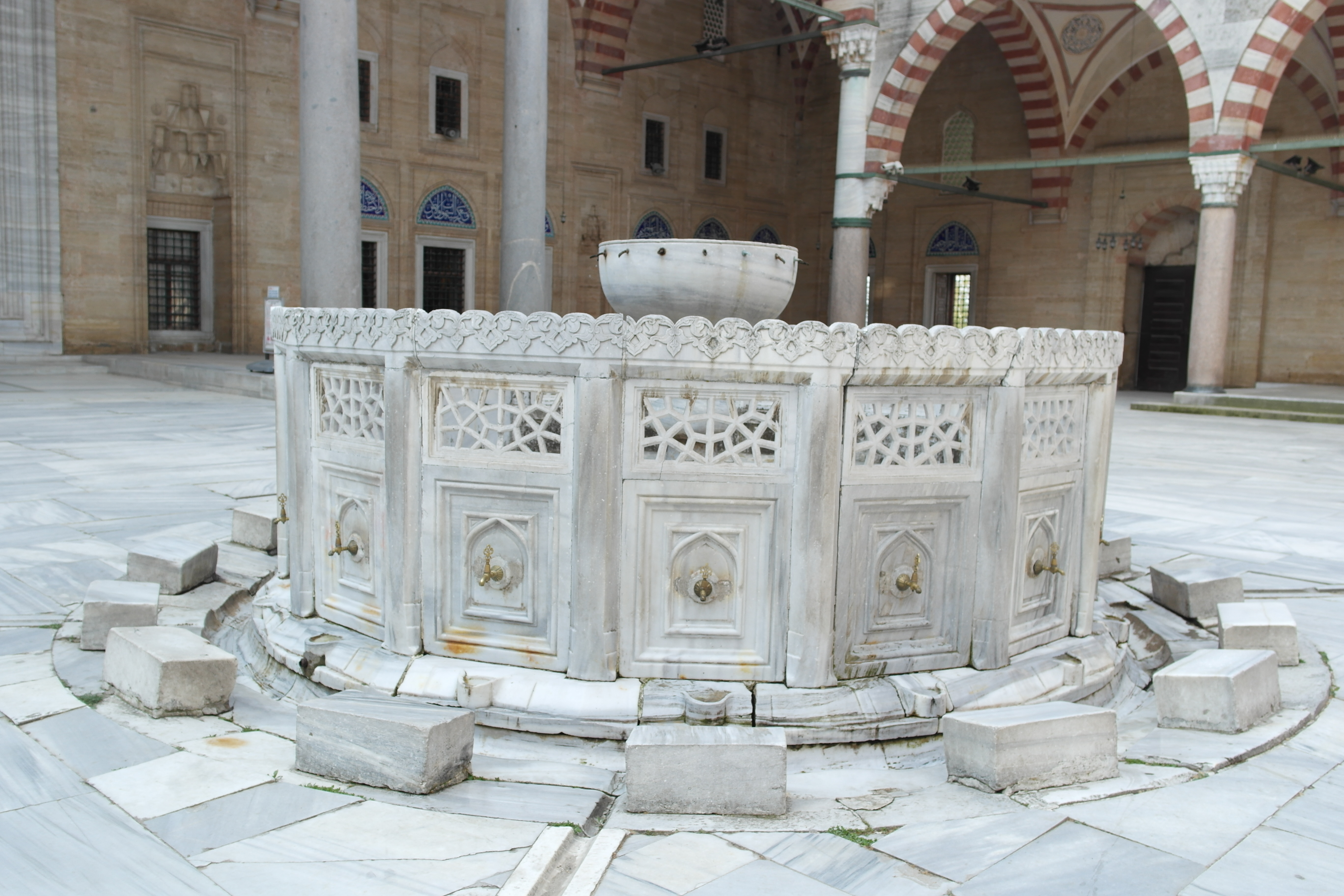
Selimiye Mosque and Complex: The Pinnacle of Classical Ottoman Architecture
Selimiye Mosque, a masterpiece by Mimar Sinan, exemplifies Ottoman classical architecture with its grand dome, elegant minarets, and schools, market, and library.
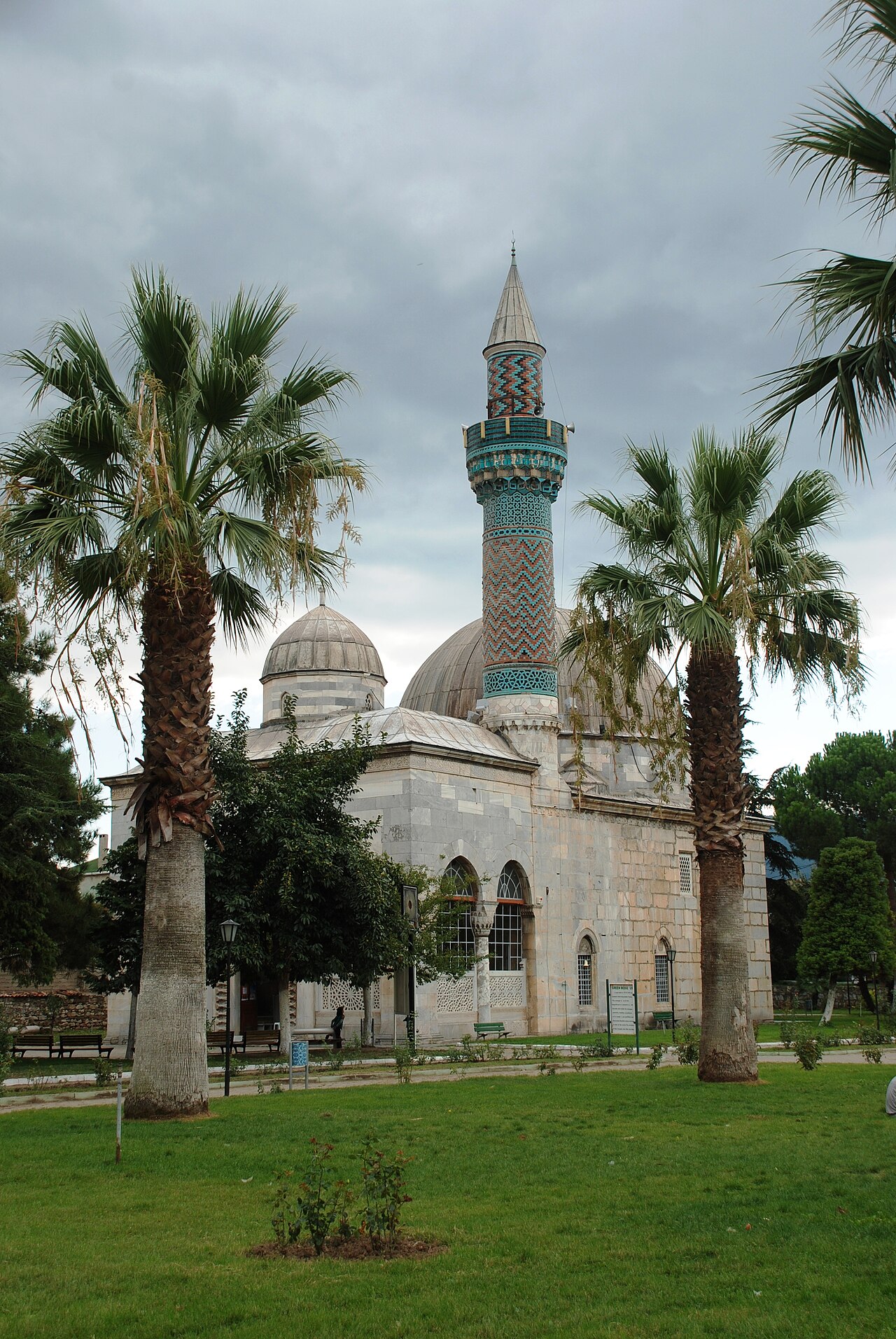
Iznik Green Mosque: Early Ottoman Heritage
The Green Mosque in Iznik, Bursa, features minaret decorations, Seljuk architectural traces, stone craftsmanship, and tile art, exemplifying early Ottoman design.
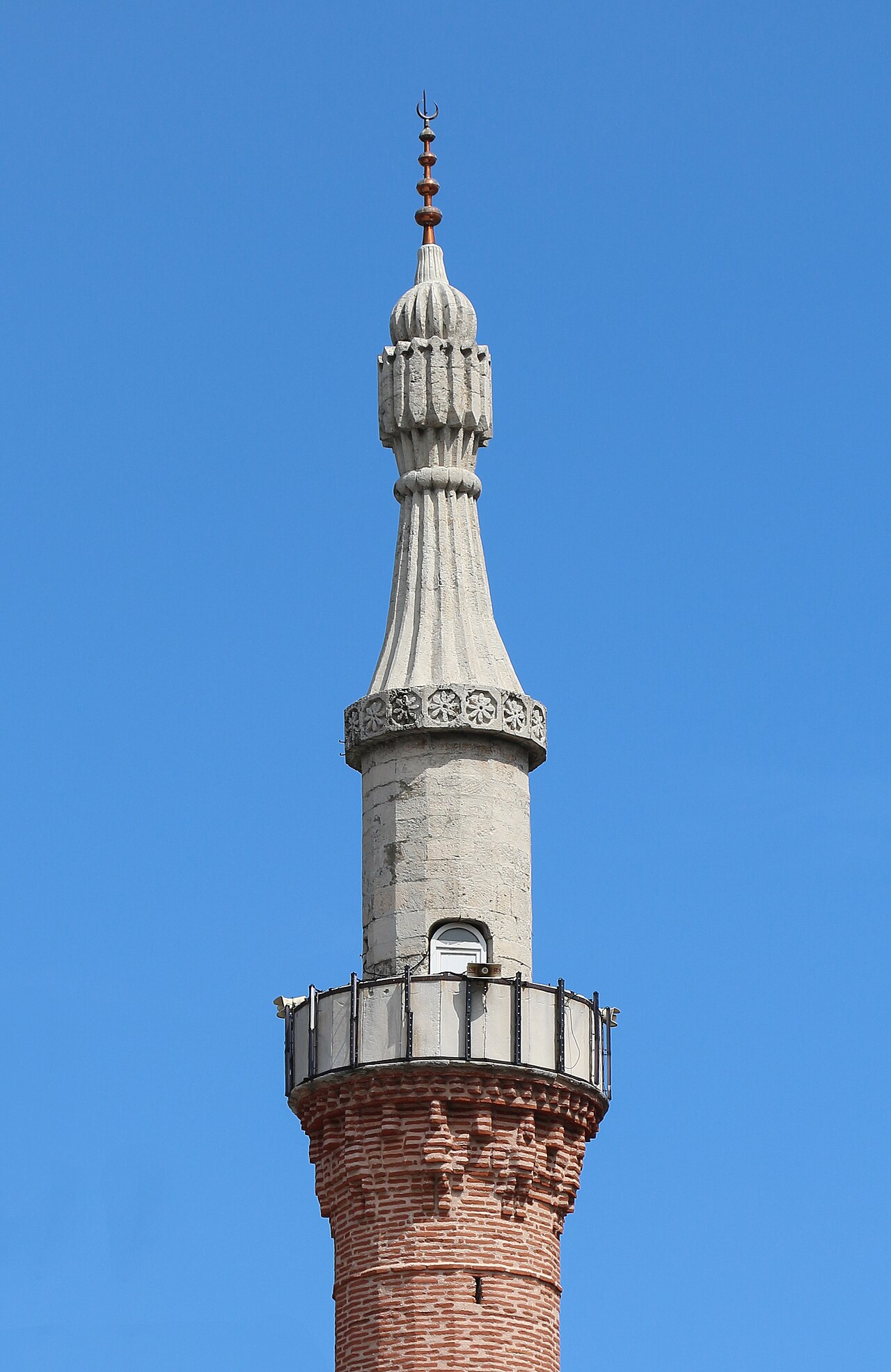
Bursa's Green Mosque: A Testament of Early Ottoman Architecture
Bursa's Green Mosque, an early Ottoman masterpiece, showcases a functional zaviye and administrative design, adorned with rich stone, ceramic, and wood carvings.
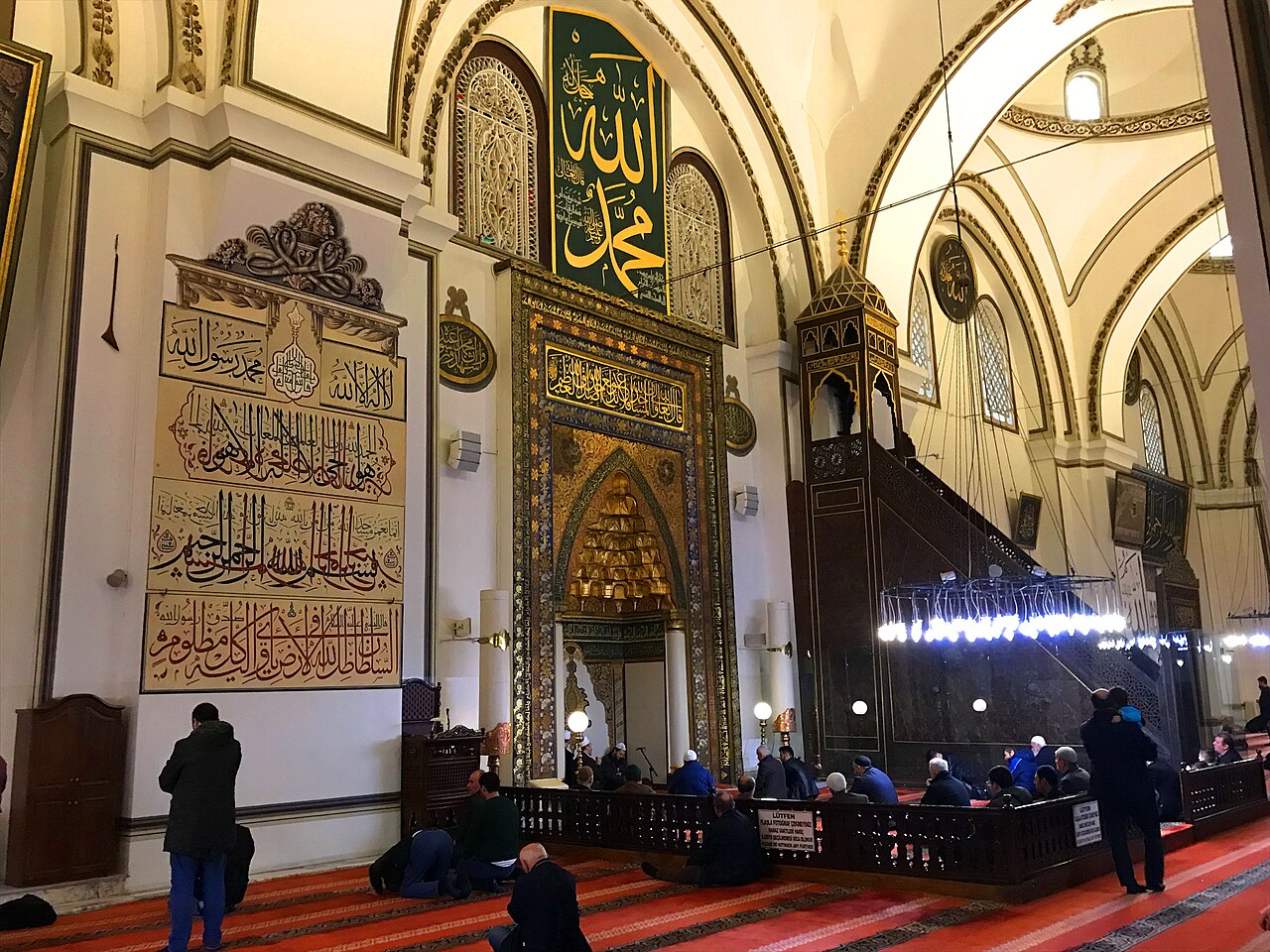
Bursa Grand Mosque: A Testament of Early Ottoman Architecture
Bursa Grand Mosque stands as a prime example of early Ottoman architecture, featuring a 1399 minbar, calligraphic doors, and ornate decorations in Bursa.
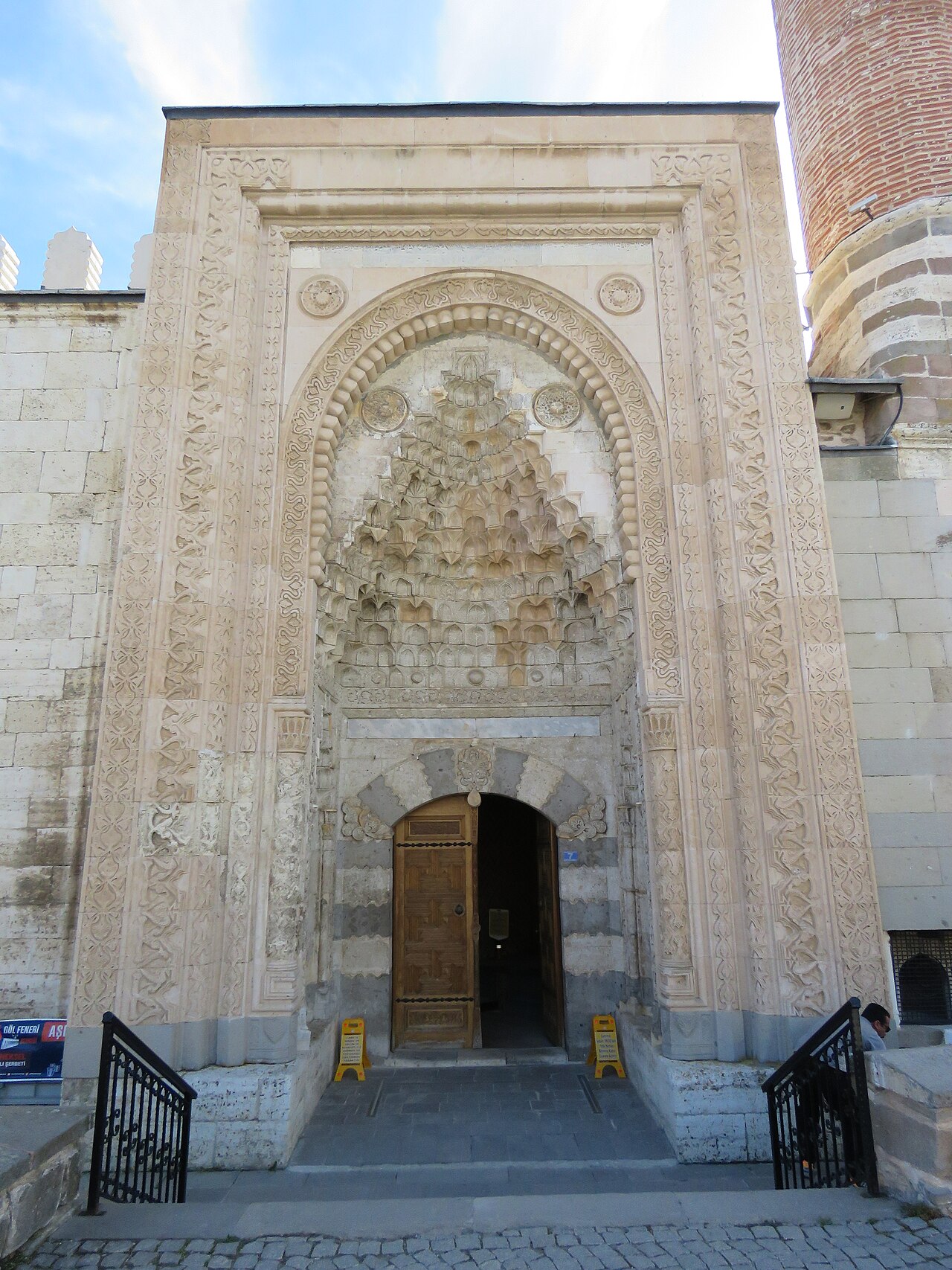
Eşrefoğlu Mosque: Historical and Architectural Features
Built in the 13th century by the Eşrefoğlu Beylik, this Seljuk-era mosque in Beyşehir features wooden columns and glazed tile decorations and stonework.
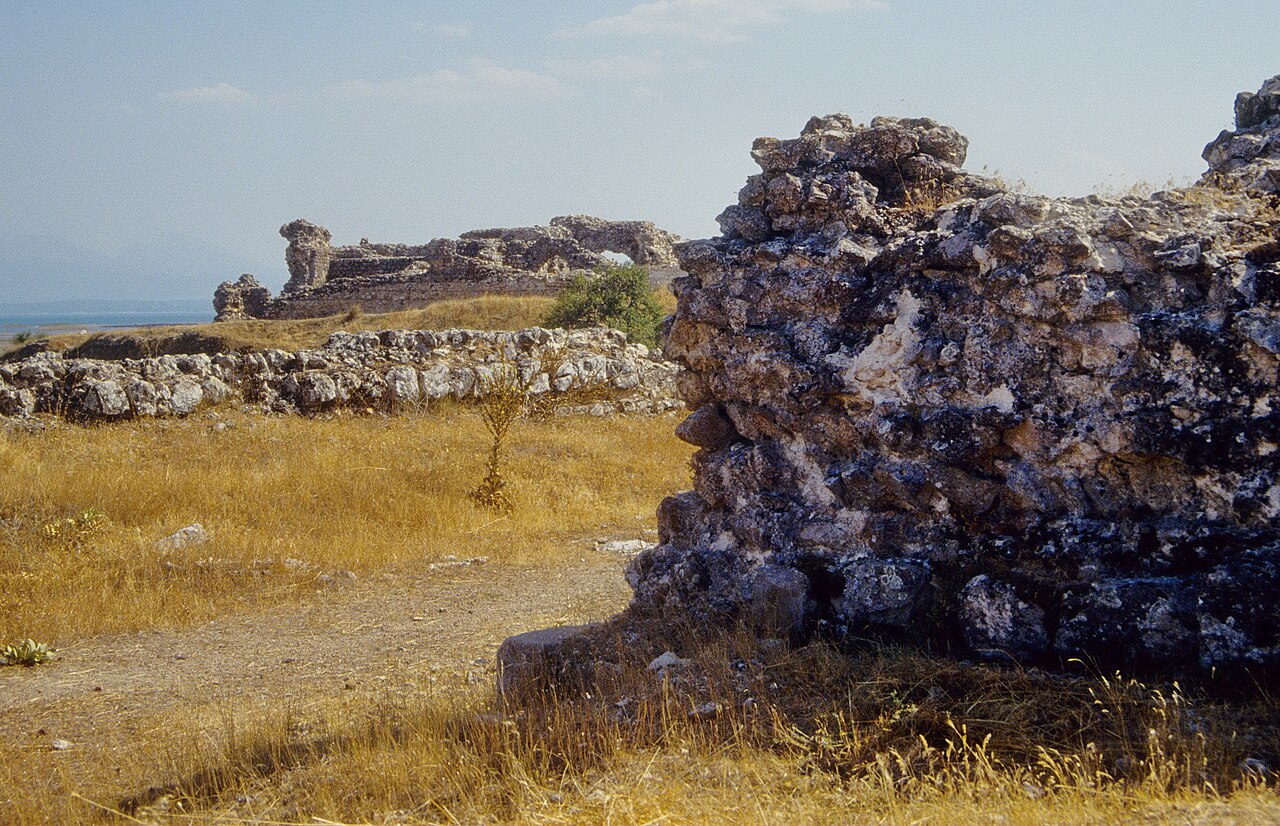
Kubadabad Palace: Seljuk Splendor on Beyşehir Lake
Built by Seljuk ruler Alaeddin Keykubad I (1226-1236), Kubadabad Palace on Beyşehir Lake’s western shore showcases intricate tilework, a testament to architecture.
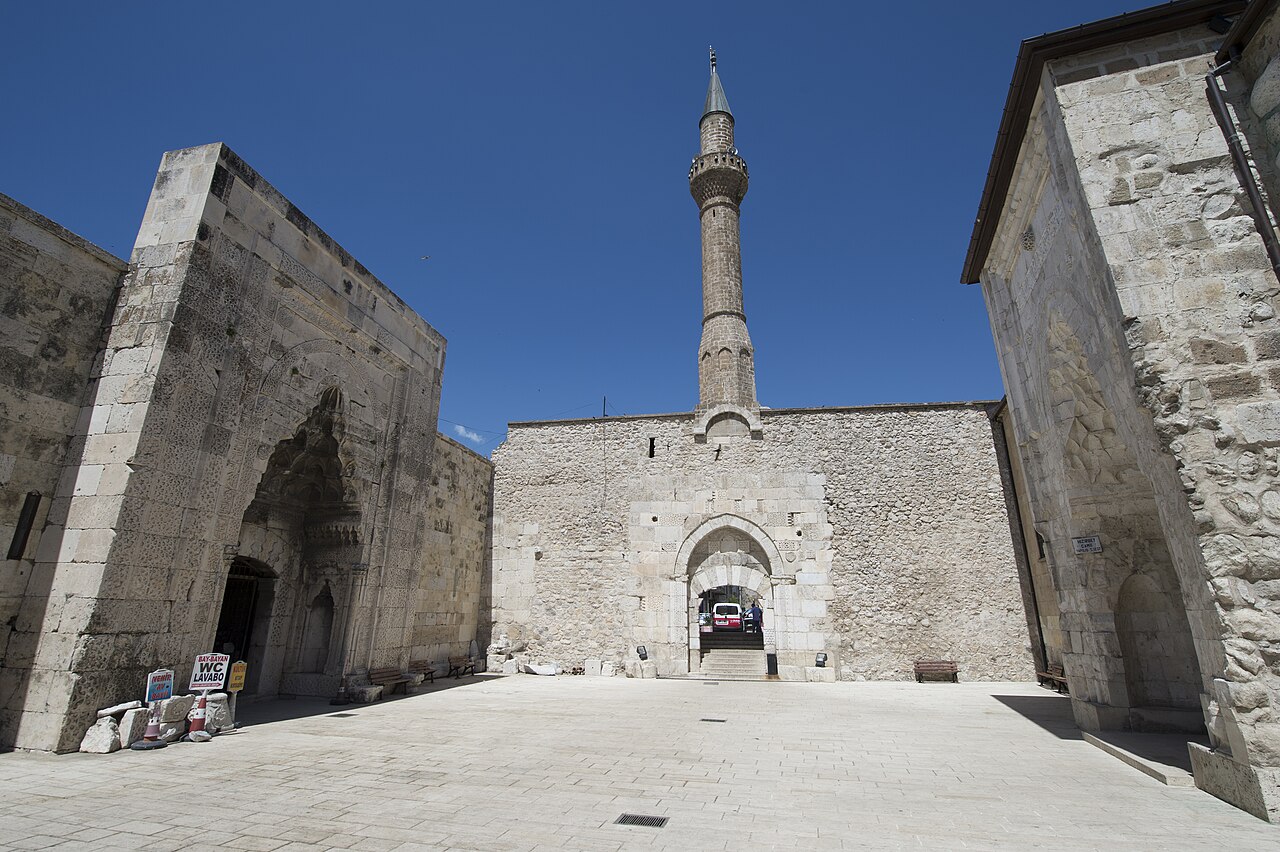
Dündar Bey Medresesi: Stone Craftsmanship of Eğridir
The Dündar Bey Medresesi in Eğridir, Isparta, built during the Hamidoğulları era, showcases Seljuk architecture and intricate stonework, reflecting heritage.
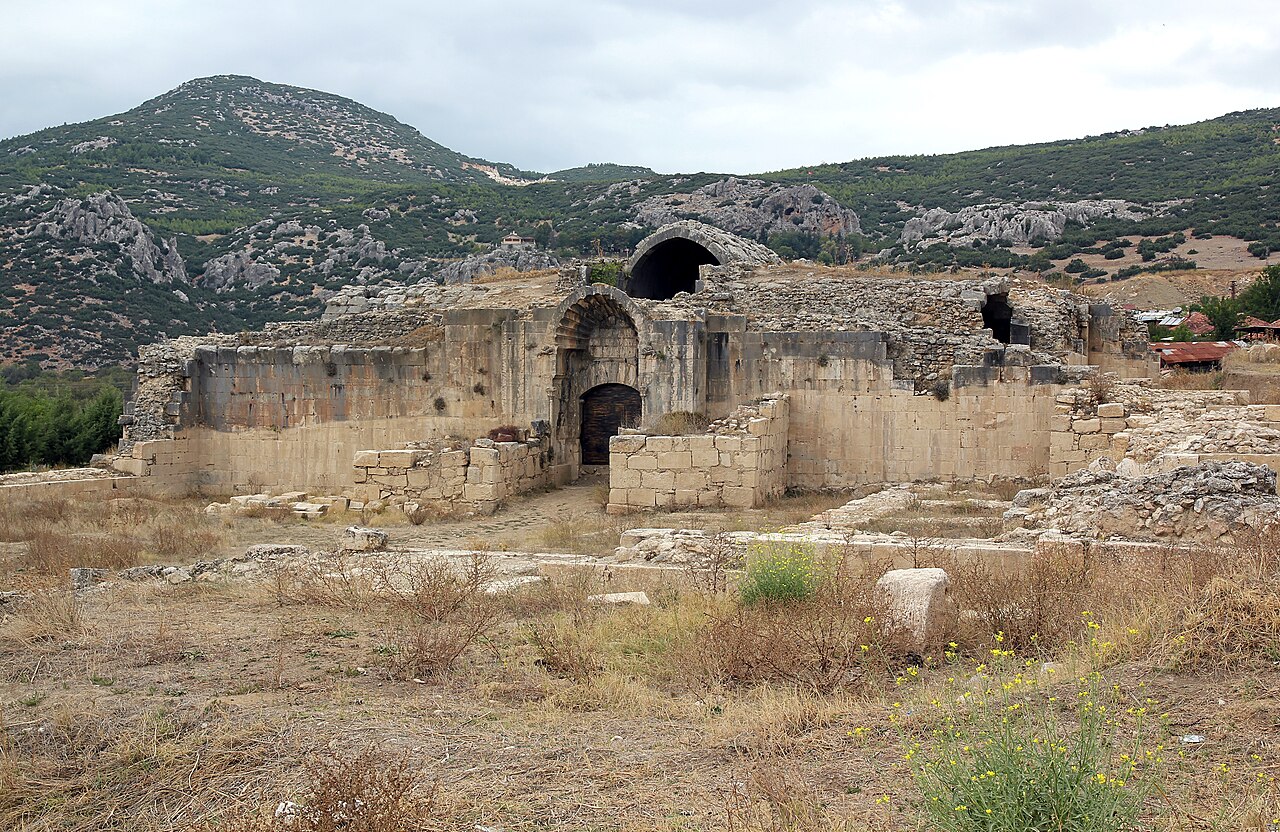
Incir Han: Seljuk Caravanserai of Bucak
Incir Han, a 13th‑century Seljuk caravanserai in Bucak, Burdur, stands on the Antalya‑Eğridir road, featuring stone markers and a distinctive crown gate.
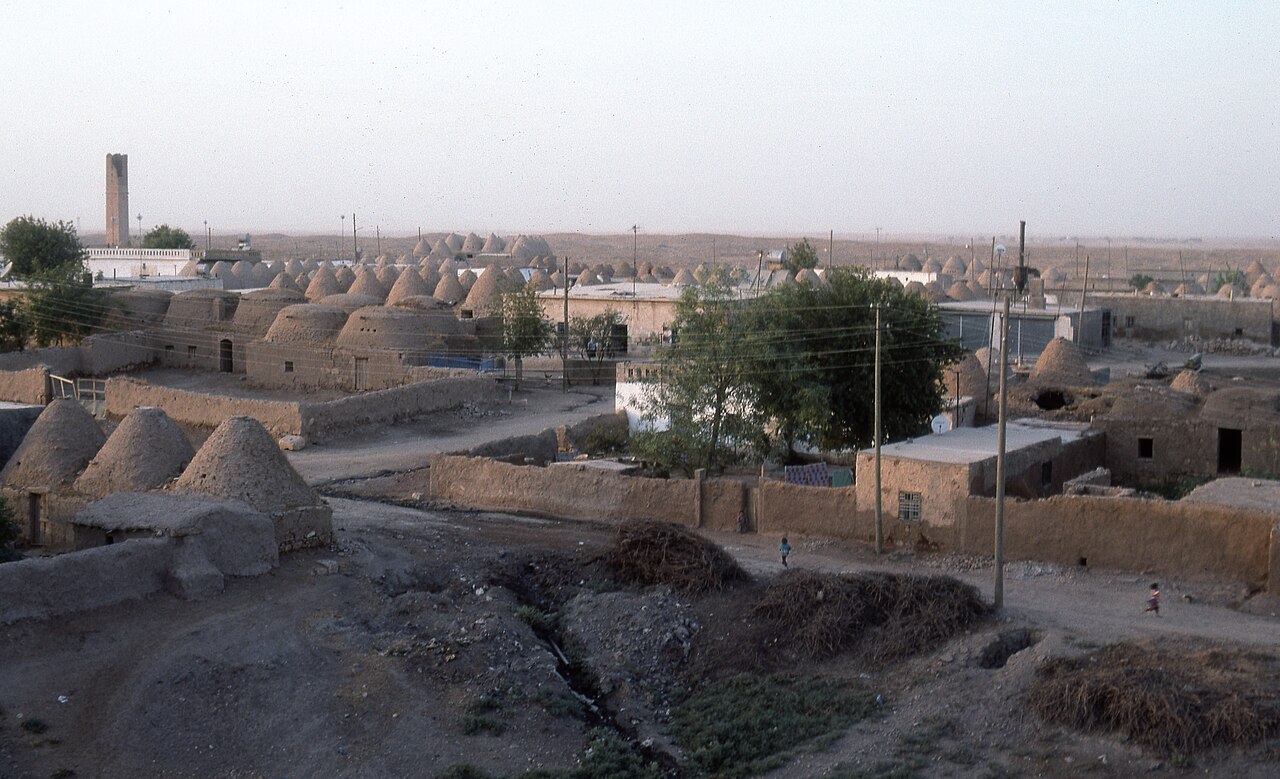
Ancient Harmony of Earth and Sun: The Conical Beehive Houses of Harran
Erected with mortarless corbelled masonry in Harran, Şanlıurfa, these conical beehive houses stand out with passive climate control, mudbrick vernacular architecture, and thousands of years of living Mesopotamian culture.
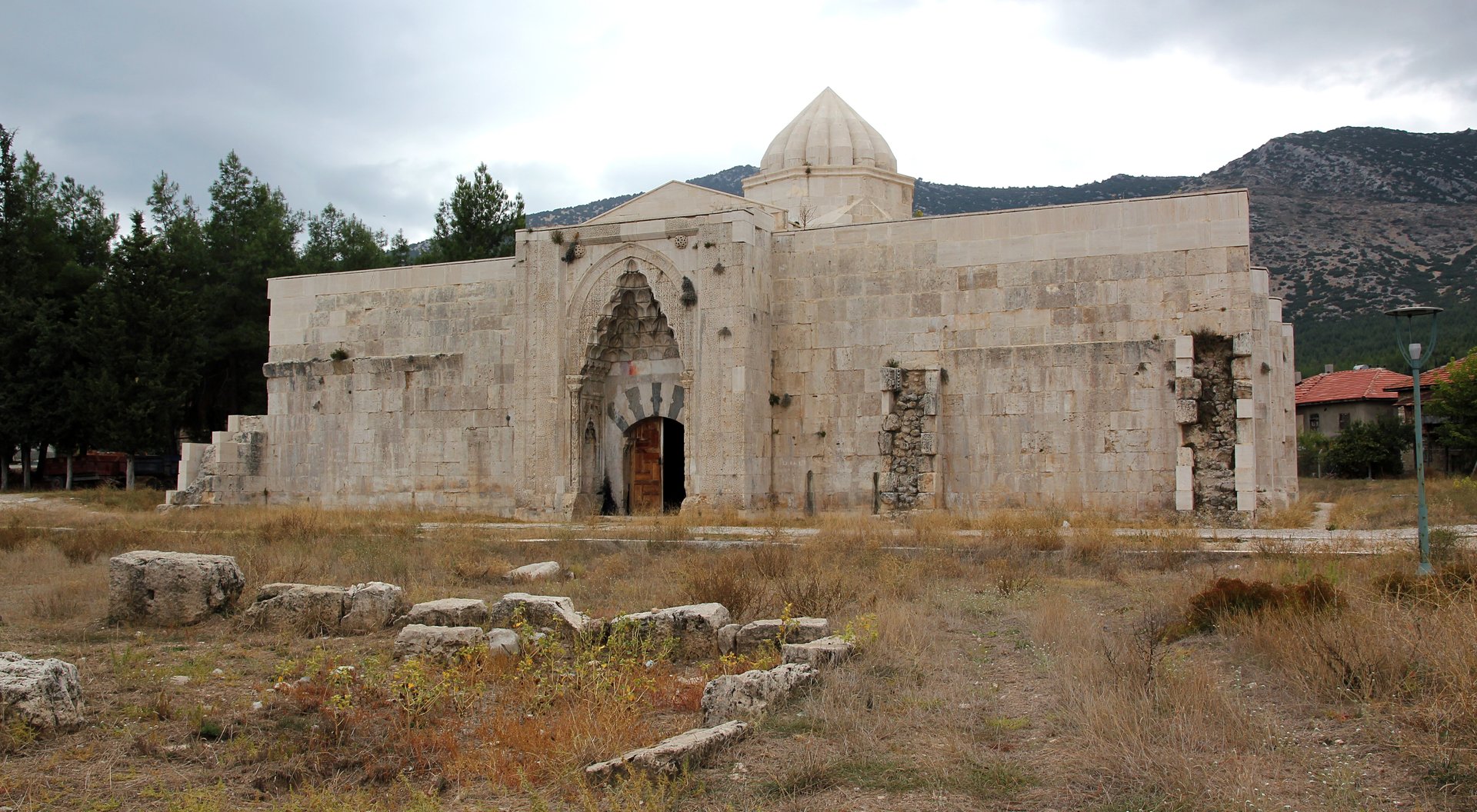
A Five-Aisle Stone Fortress from the Mediterranean to the Steppe: Susuz Han Caravanserai
Erected during the reign of Sultan Ghiyath al-Din Kaykhusraw II in Bucak, Burdur, Susuz Han stands out with its monumental five-aisle covered hall, protective dragon and angel reliefs, and masterfully integrated ancient spolia masonry.
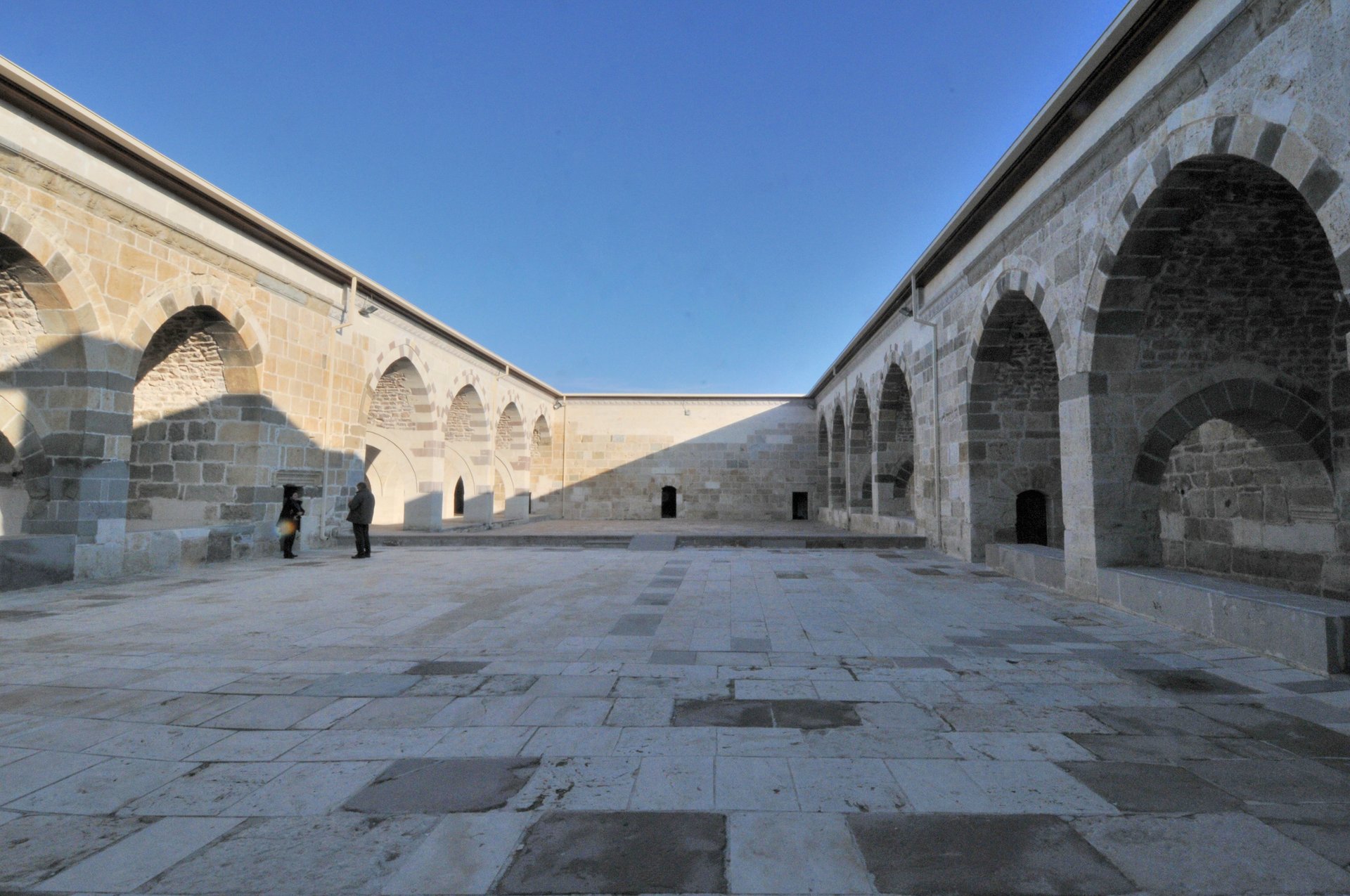
The Architectural Signature of a Seljuk Vizier: Zazadin Han of Konya
Architectural monograph on Zazadin Han (Sadeddin Han), commissioned between 1235 and 1237 by the Seljuk chief architect and vizier Sa'd al-Din Köpek, featuring its dual monumental portals, elevated gateway mosque, and two-tone ablaq masonry.
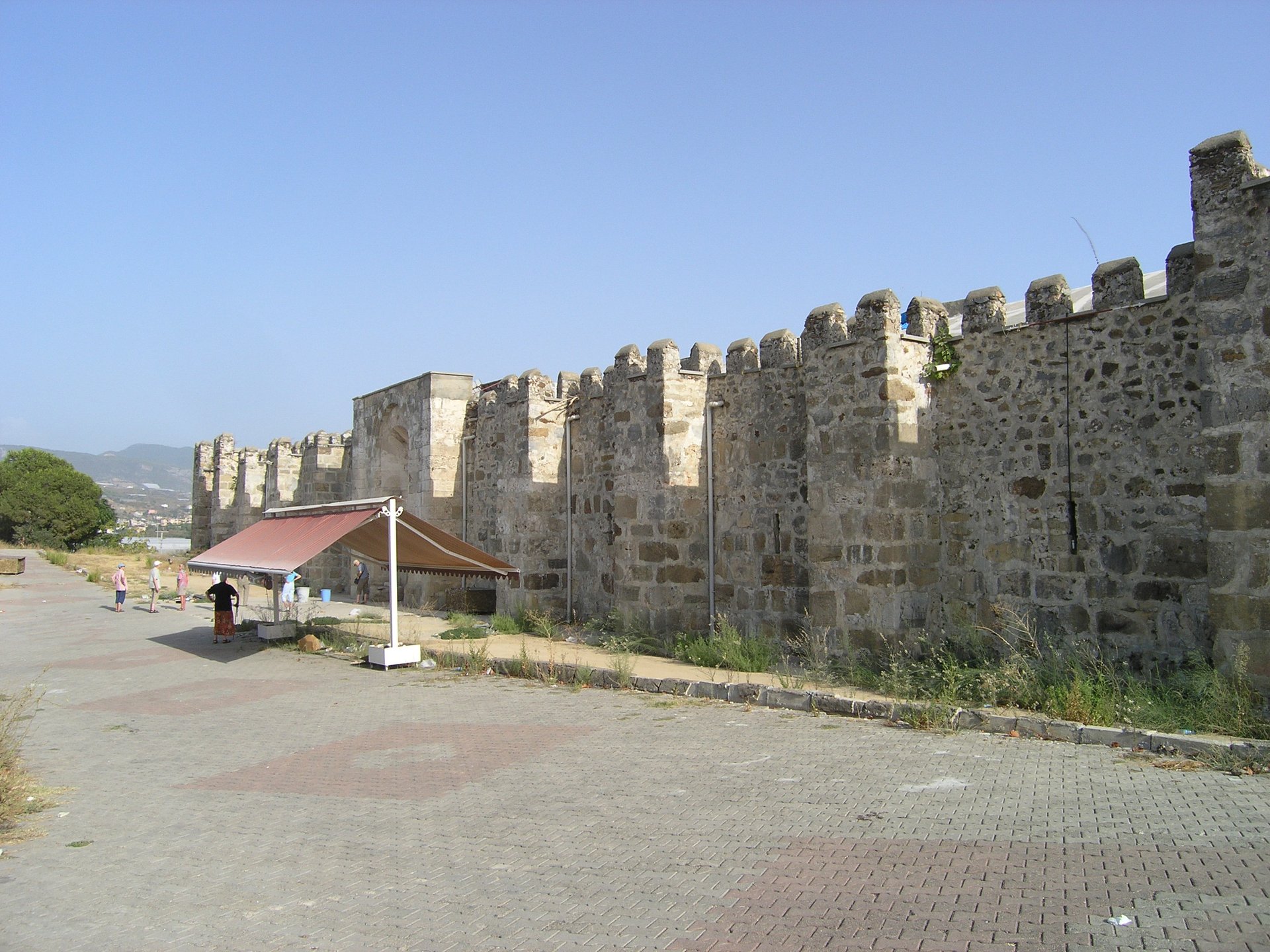
A Defensive Ribat on the Mediterranean Coast: Alanya Sarapsa Han
A unique example of Seljuk caravanserai architecture from the reign of Sultan II. Gıyâseddin Keyhusrev (1237-1246), characterized by its single-aisled vaulted plan, fortified towers, and mosque tower, representing an atypical coastal menzil and ribat.
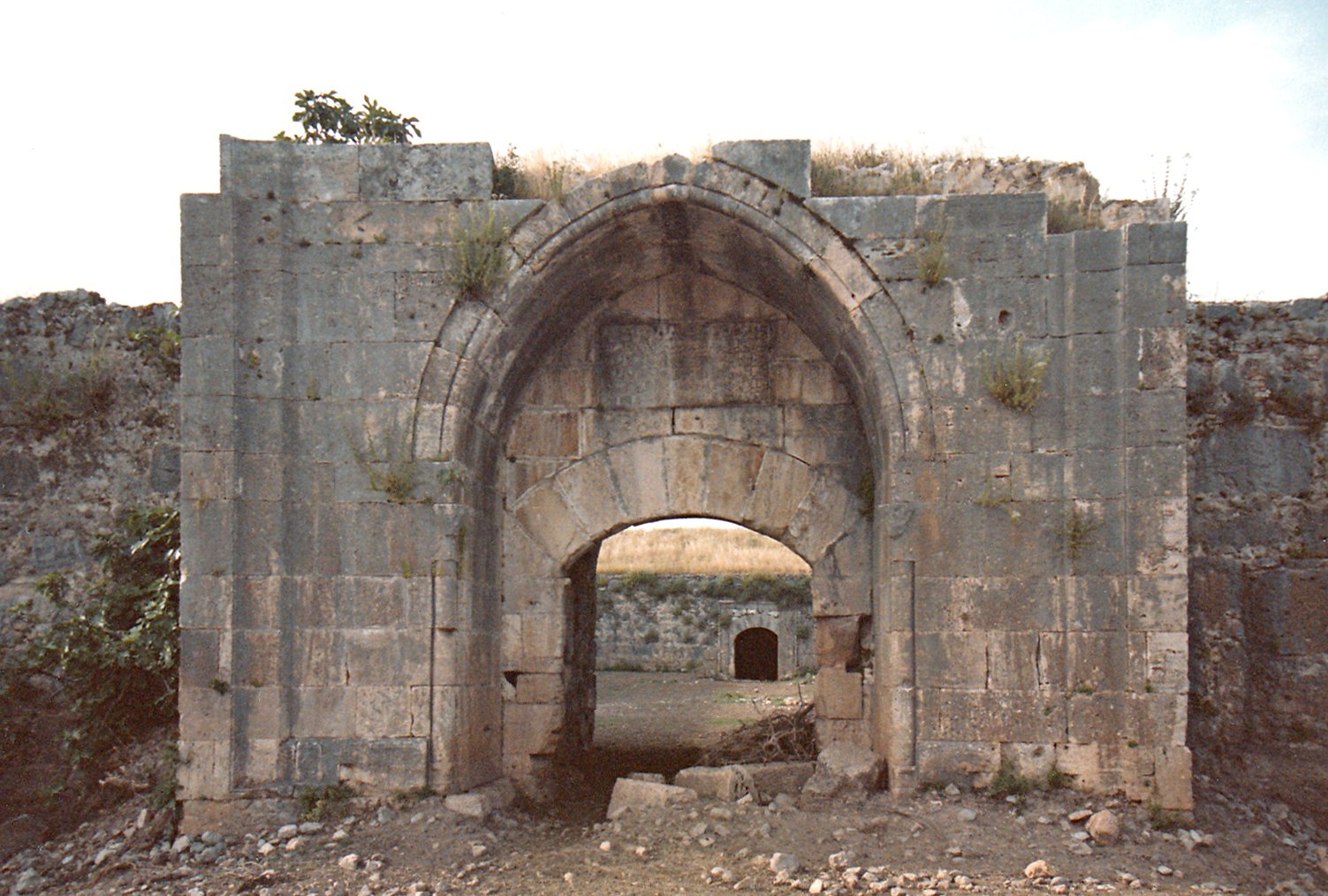
The Gateway of the Mediterranean: Antalya Kırkgöz Han
A monumental epigraphic façade and spacious courtyard with revak (arcaded portico) characterize the strategic starting point of the Antalya-Burdur caravan route, Kırkgöz Han, constructed between 1237-1246 by Sultan II. Gıyâseddin Keyhusrev of the Anatolian Seljuk Empire.
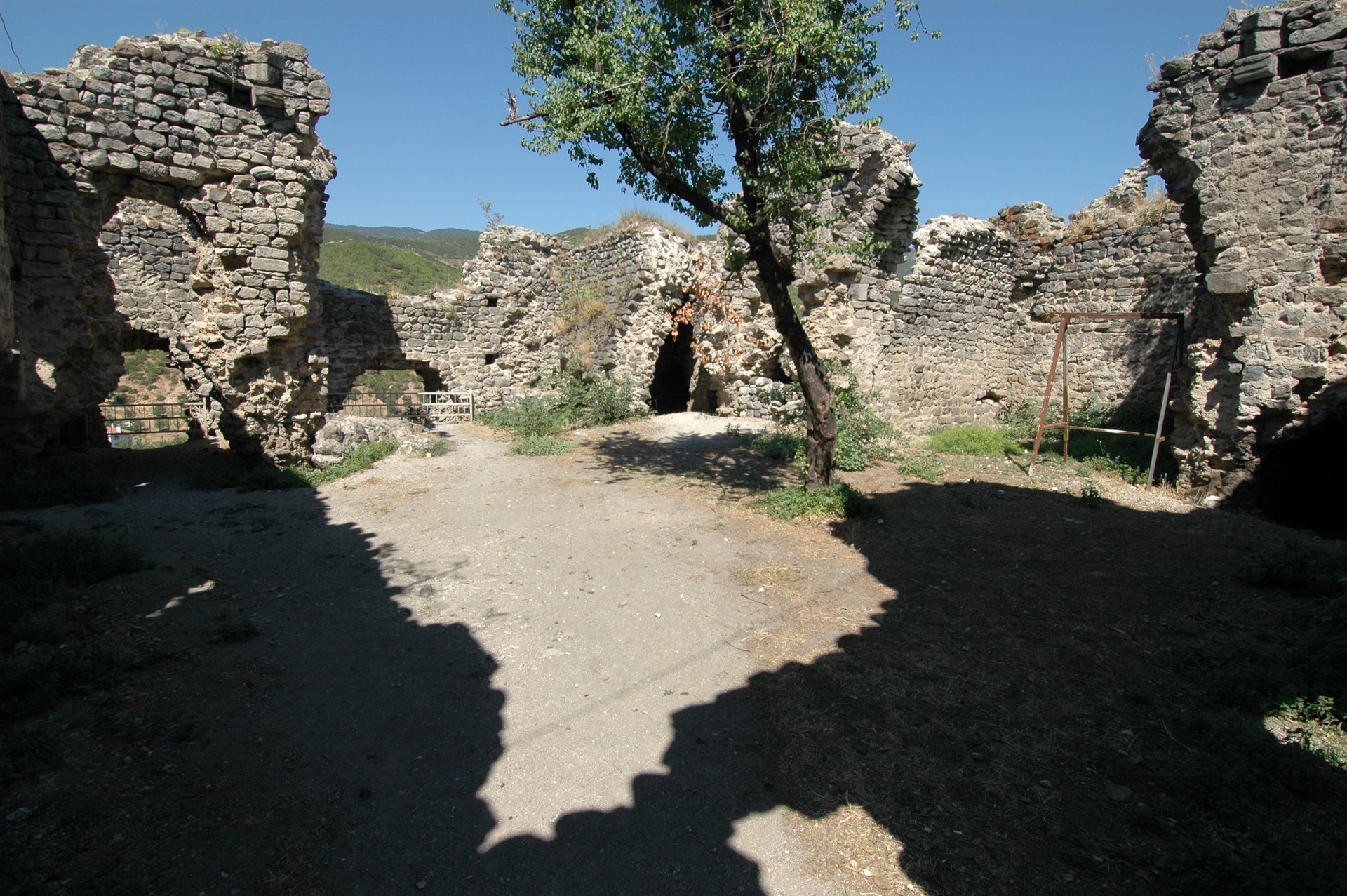
The Precursor of Dome-Covered Madrasas in Anatolia: Niksar Yağıbasan Madrasa
An architectural and historical analysis of the Yağıbasan Madrasa, one of the earliest enclosed courtyard and domed madrasas in Anatolia, constructed by Danişmend ruler Nizâmeddin Yağıbasan within Niksar Castle between 1157-1158.
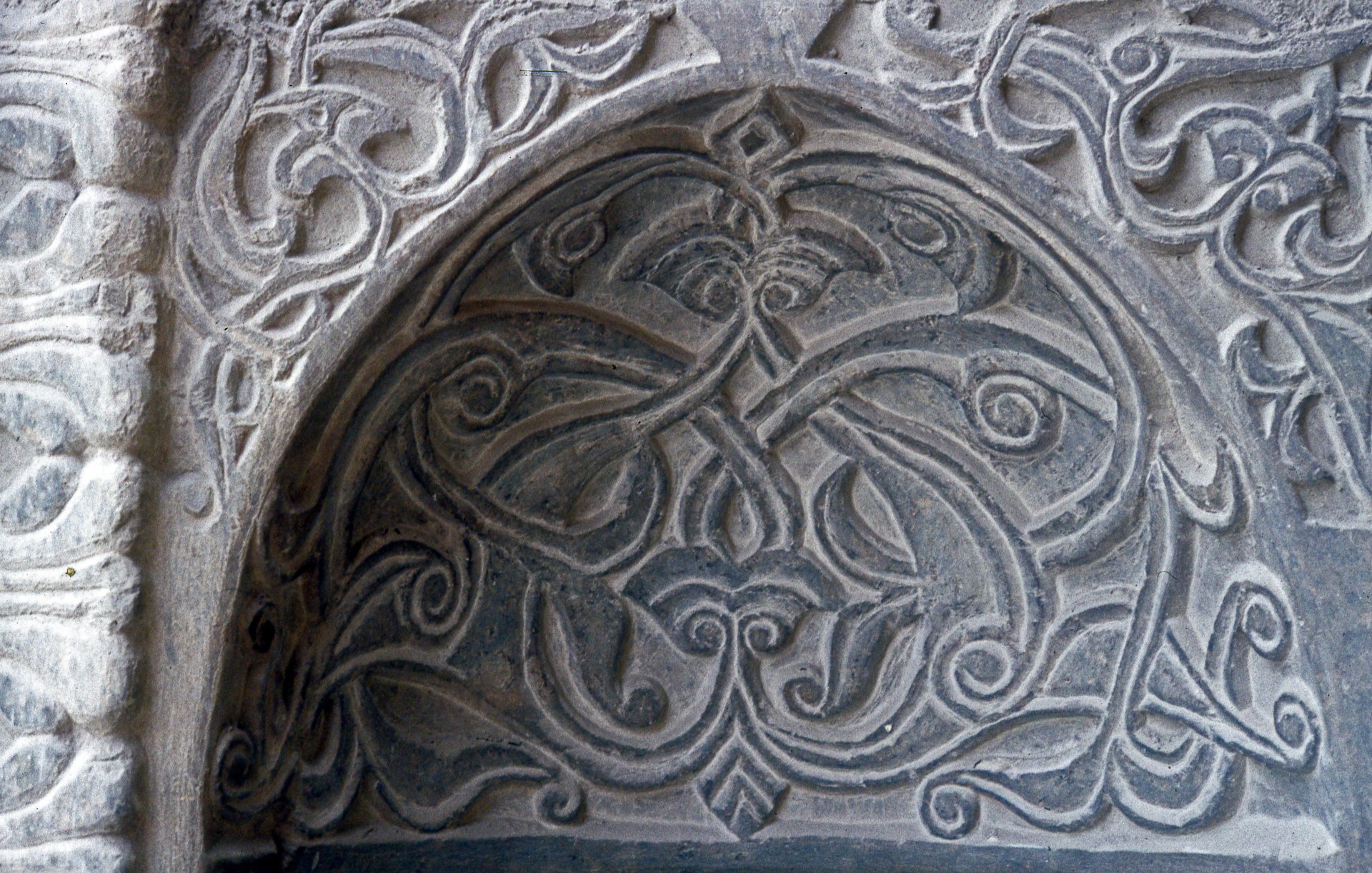
The Ascent of Lapis Lazuli Tiles: Tokat Gökmedrese
A two-story open courtyard plan, lapis lazuli and eggplant purple tile mosaic, and monumental portal with a muqarnas corbeling make this the pinnacle of Anatolian Seljuk architecture, constructed around 1277 by Vizier Pervâne Muînüddin Süleyman.
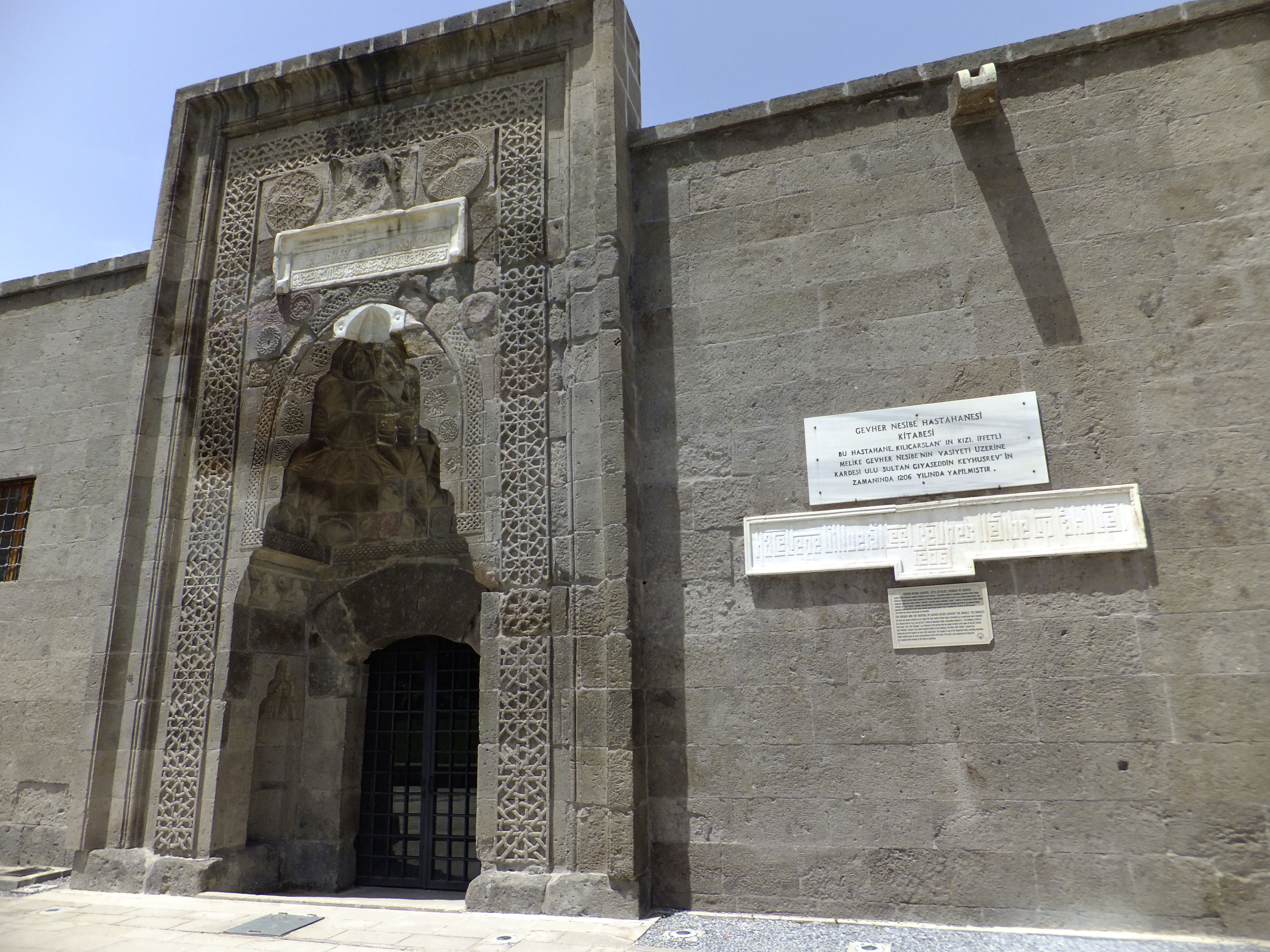
The Twin Monument of Medicine and Mercy: Kayseri Gevher Nesibe Dârüşşifâ
Anatolian Seljuk architecture's first dual medical complex uniting a dârüşşifâ (hospice), medical madrasa, and tomb within a single structure, commissioned by the will of Sultan II. Kılıcarslan’s daughter Gevher Nesibe Sultan in 1206.
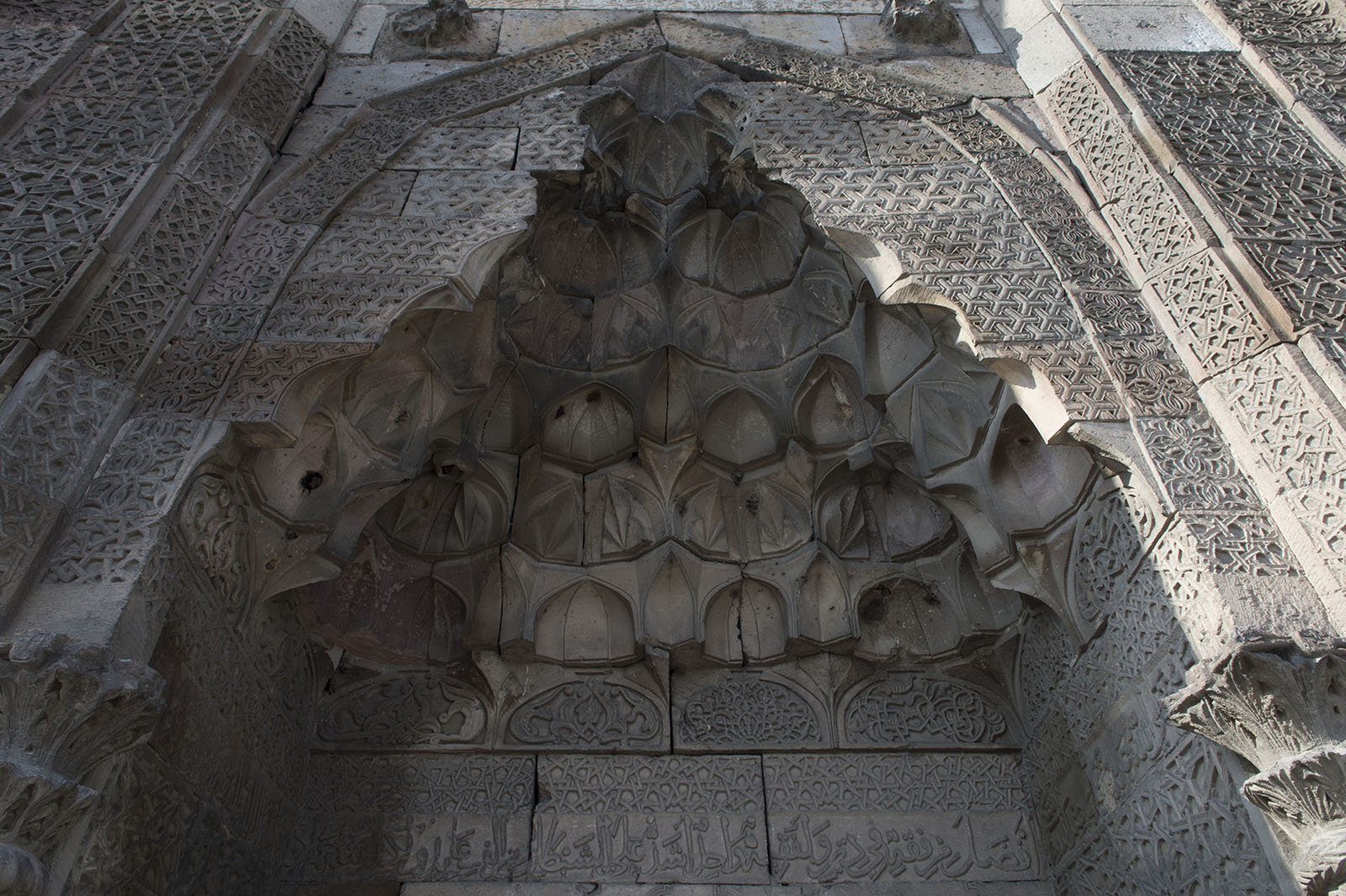
The Stone Geometry of the Anatolian Steppe: Kayseri Sâhibiye Madrasa
A 13th-century academic institution with an open courtyard and recessed arcade plan, Seljuk stone carving at its zenith in the muqarnas corbelled portal, and a historic fountain adjacent to it, commissioned by Seljuk Vizier Sâhib Ata Fahreddin Ali in 1267.
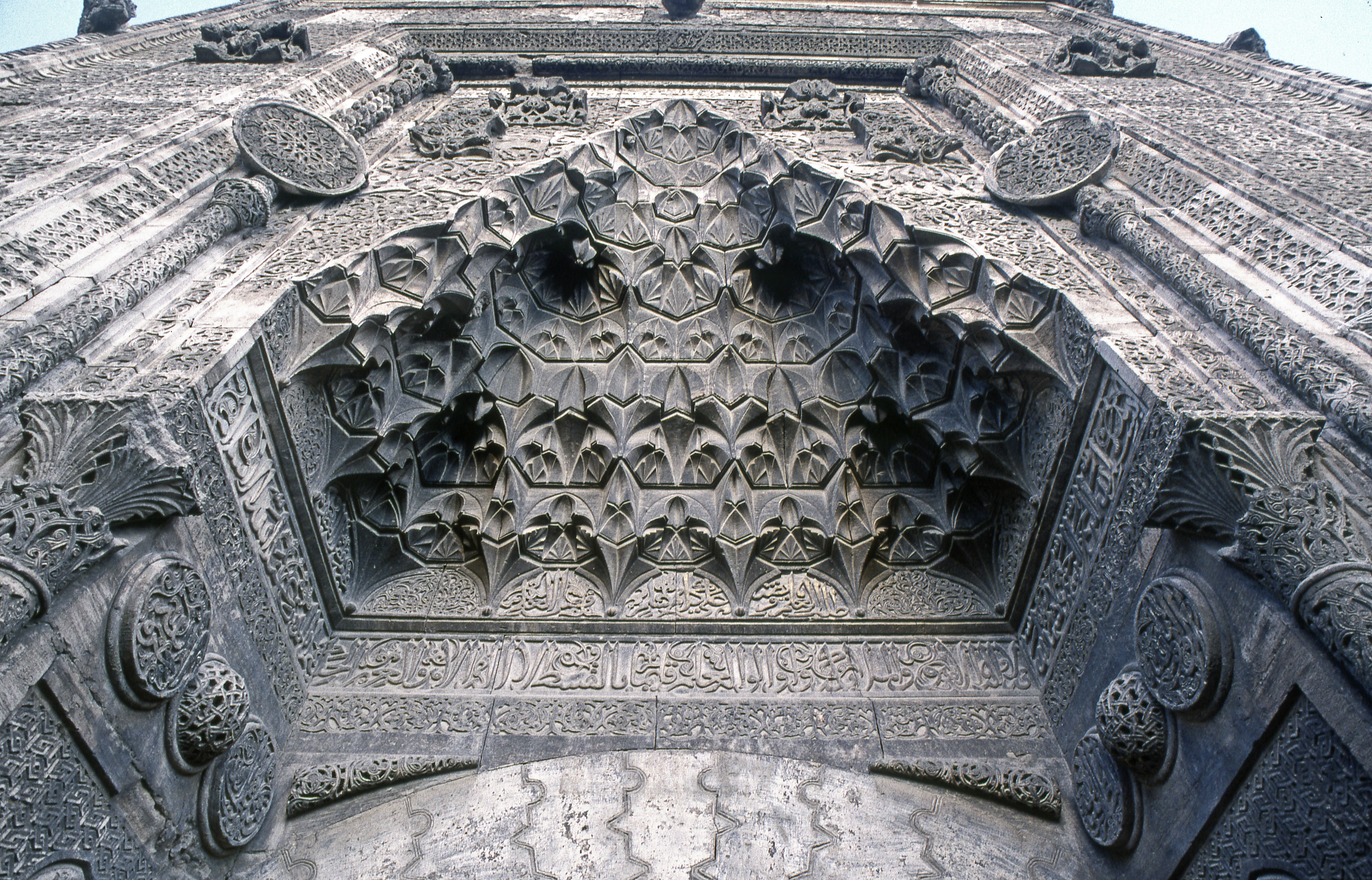
Where Stone Meets Elegance: Sivas Buruciye Madrasa
A Seljuk architectural masterpiece featuring an open courtyard, four-iwan symmetrical plan, domed entrance iwan, rich stone portal, and glazed tomb, constructed in 1271 by Muzaffer b. İbâdullah el-Mufaddal el-Burûcirdî.
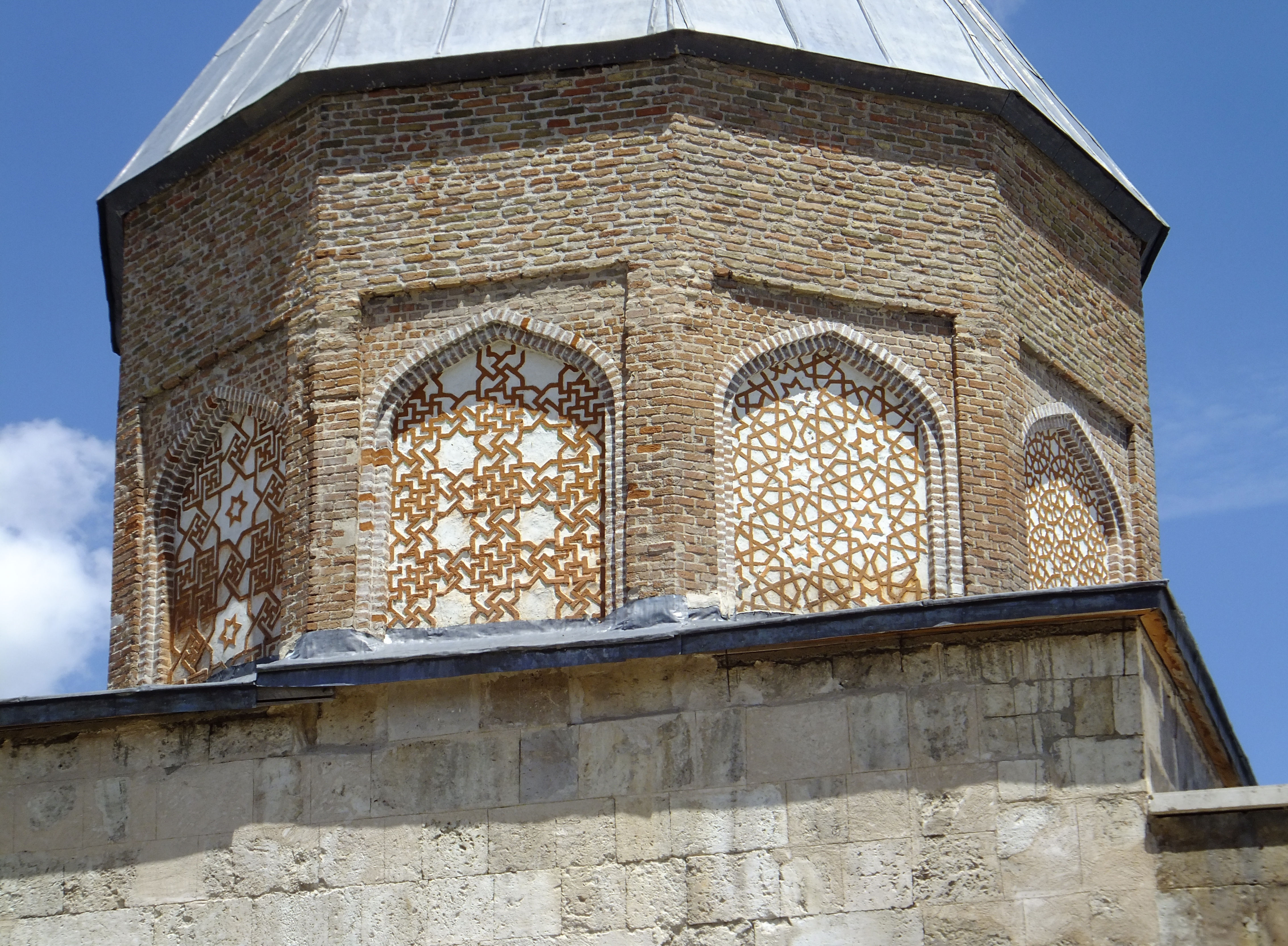
Anatolia's Grandest Healing Complex: Sivas Şifaiye Madrasa and Dârüşşifâ
A Seljuk architectural masterpiece constructed by Sultan I. İzzeddin Keykâvus in 1217, featuring an open courtyard and revak plan, human head reliefs symbolizing the moon and sun, and a glazed façade with tilework attributed to the master craftsman from Marand.
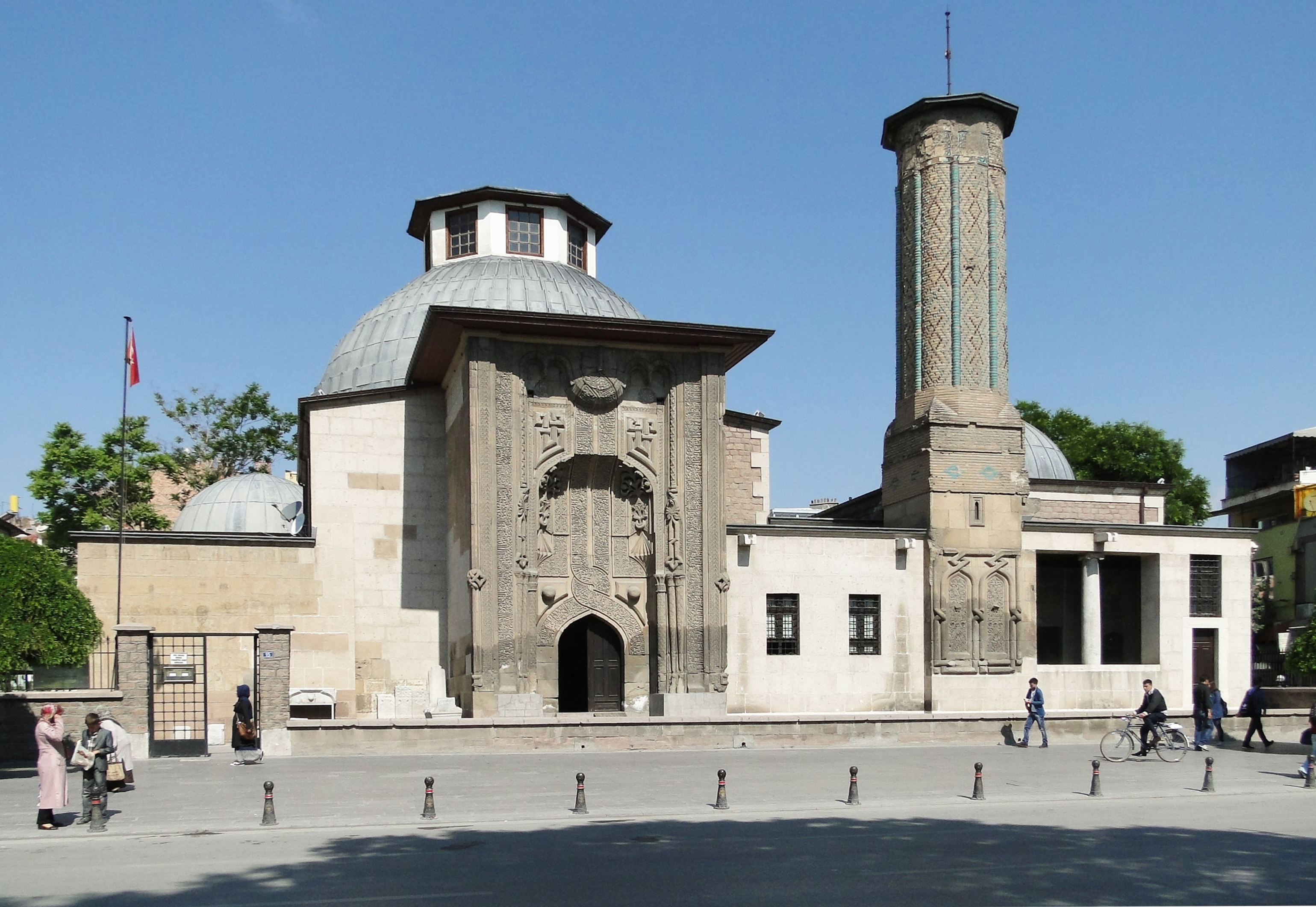
Inscribed Verses on Stone: Konya İnce Minareli Madrasa
A Seljuk dârülhadis masterpiece commissioned by Vizier Sâhib Ata Fahreddin Ali from architect Kölük b. Abdullah, distinguished by its monumental portal inscribed with the Surahs of Feth and Yâsîn, and its glazed brick minaret with secret compartments.
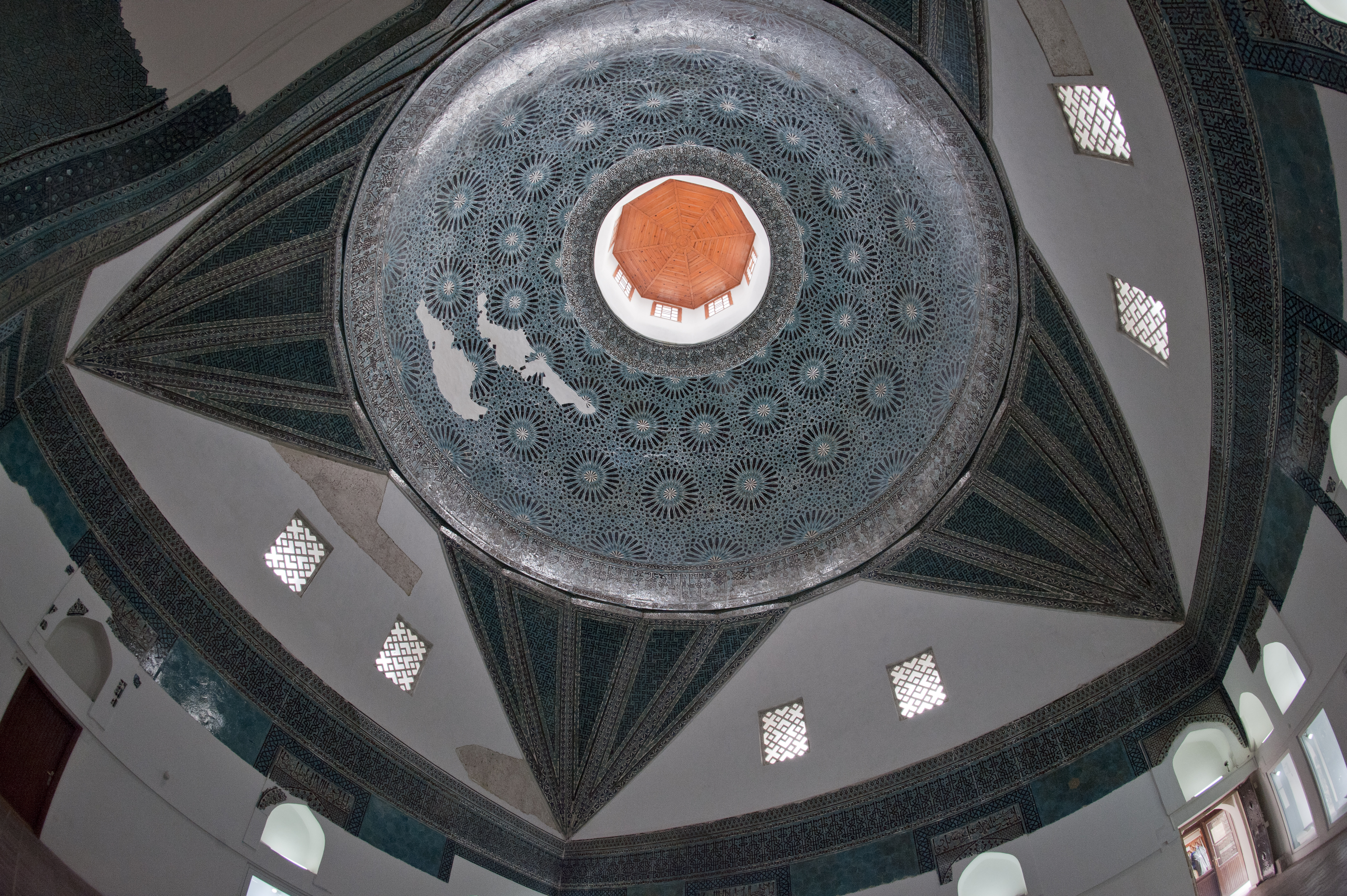
The Glazed Mirror of the Celestial Dome: Konya Karatay Madrasa
A Seljuk madrasa exemplar with its fîrûze and lâcivert mosaic-glazed dome, yelpaz pandantifs, and two-colored marble gateway, constructed in 1251 by Celâleddin Karatay during the reign of Sultan II. İzzeddin Keykâvus.
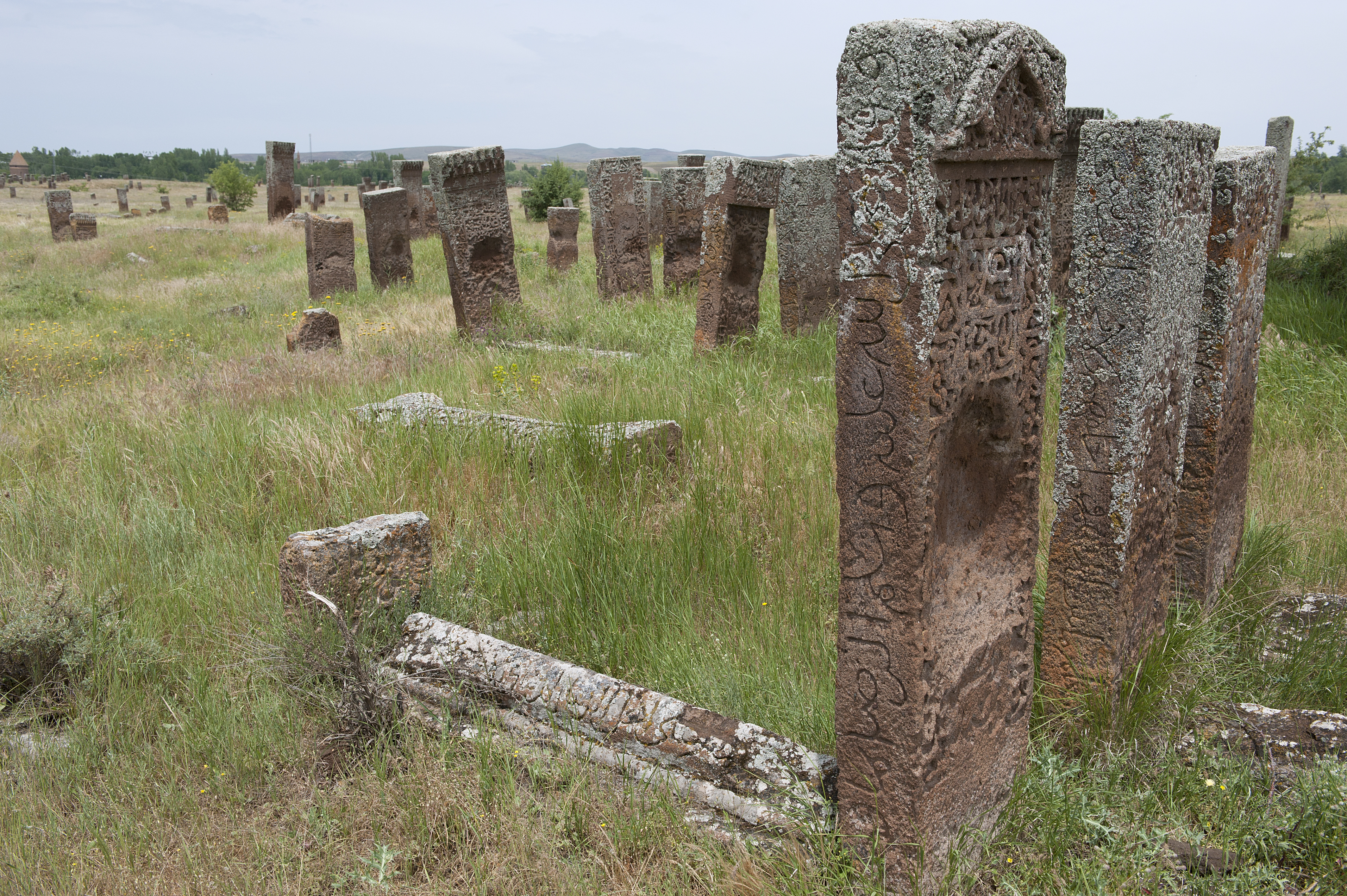
Erzurum, Ahlat, and Van Madrasa and Tomb Corridor: Towers of Stone and Faith
A cultural corridor in Eastern Anatolia spanning from the monumental Seljuk and Ilkhanid madrasas on the slopes of Palandöken to the iconic tomb towers in the Lake Van basin.
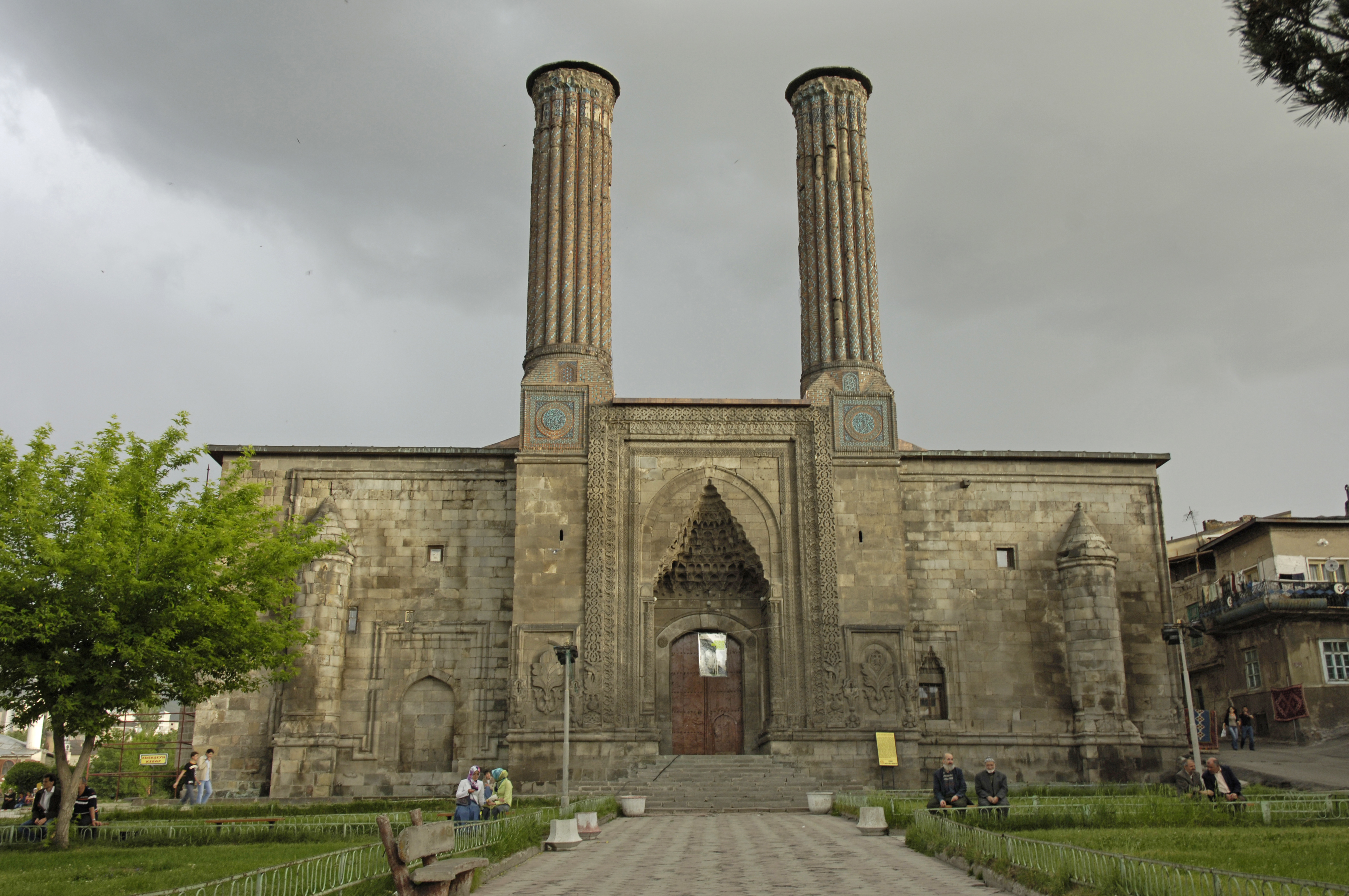
The Monumental Summit of Stone and Tile: Erzurum Çifte Minareli Madrasa (Hatuniye)
Located in İçkale, the Hatuniye Madrasa, with its 35 × 48 meter dimensions, is Anatolia's largest Seljuk madrasa. Its two-story, four-iwan open courtyard plan, 26-meter brick minarets, tilework, and tree of life carvings define this architectural landmark [1].
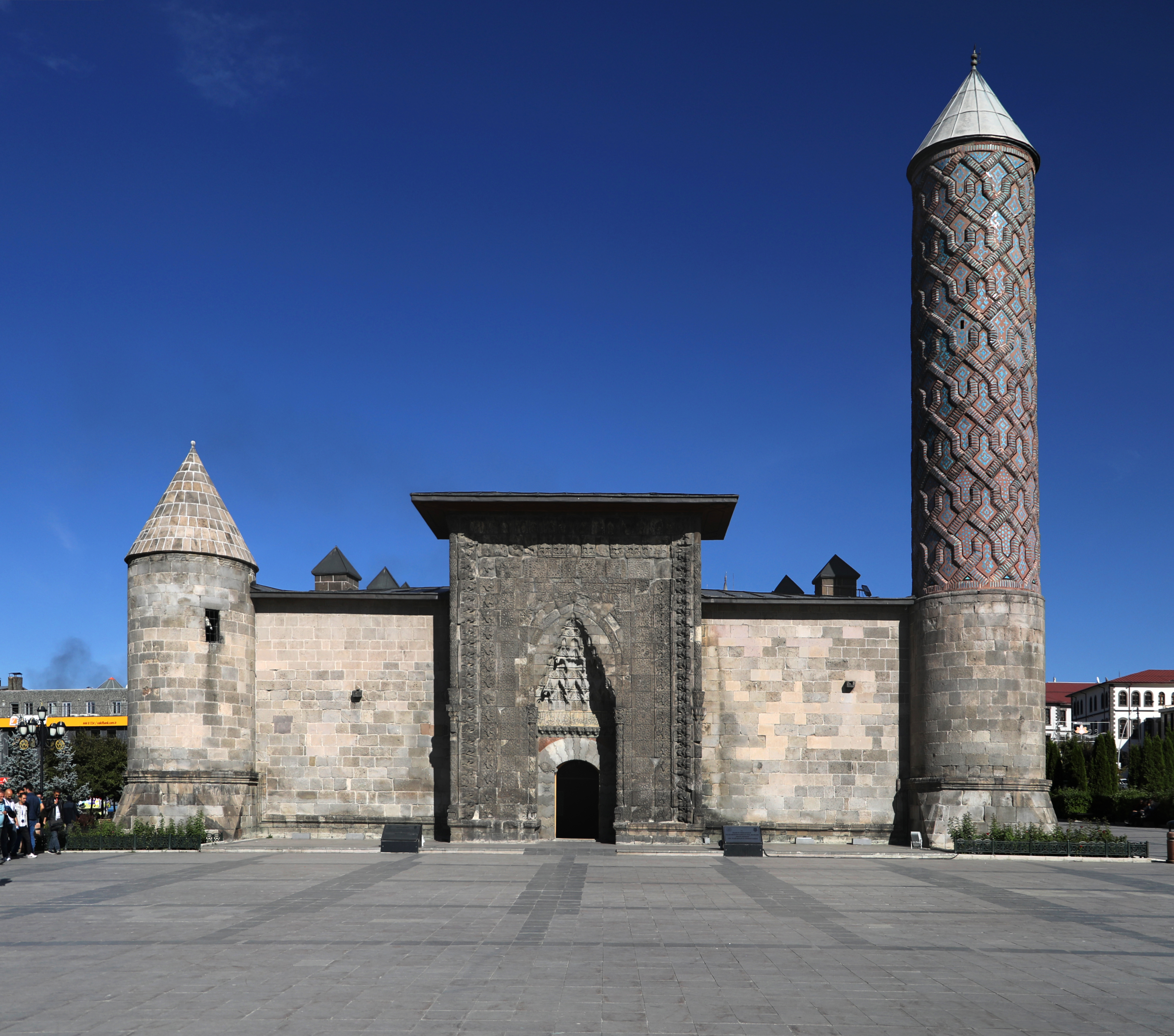
The Zenith of Ilkhanid Stone Art: Erzurum Yakutiye Madrasa
Built during the reign of Ilkhanid ruler Oljaitu in 1310-1311, the Erzurum Yakutiye Madrasa is a monumental structure distinguished by its enclosed courtyard, muqarnas corbeling, double-headed eagle motifs, and relief carvings, as well as its glazed brick minaret with firozeh and purple glazes [1].
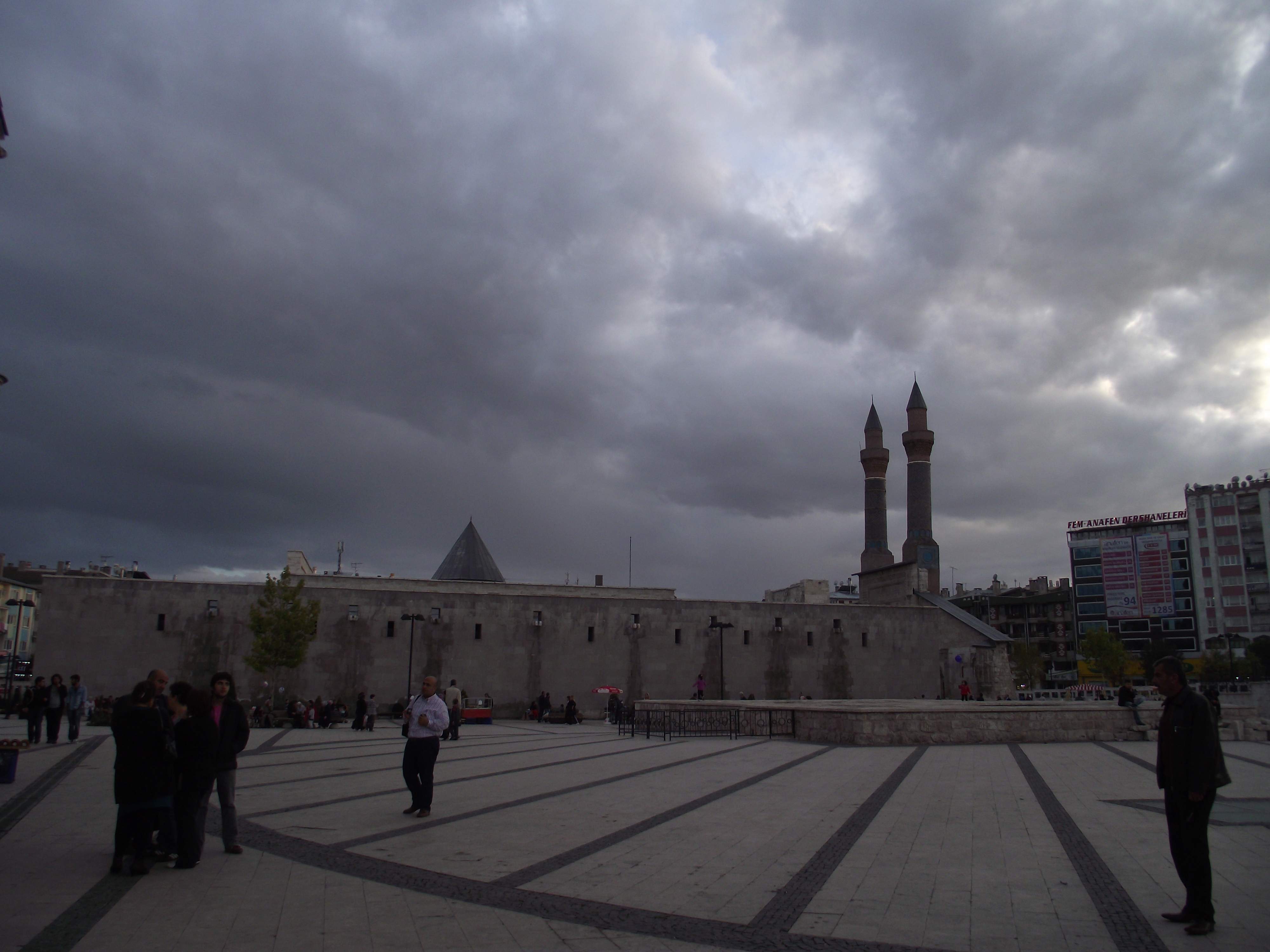
The Ascent of Stone and Glazed Tile to the Heavens: Sivas Çifte Minareli Madrasa
A medrese constructed by Ilkhanid Vizier Shams al-Din Juwayni between 1271-1272, distinguished by its monumental façade and meticulous stonework.
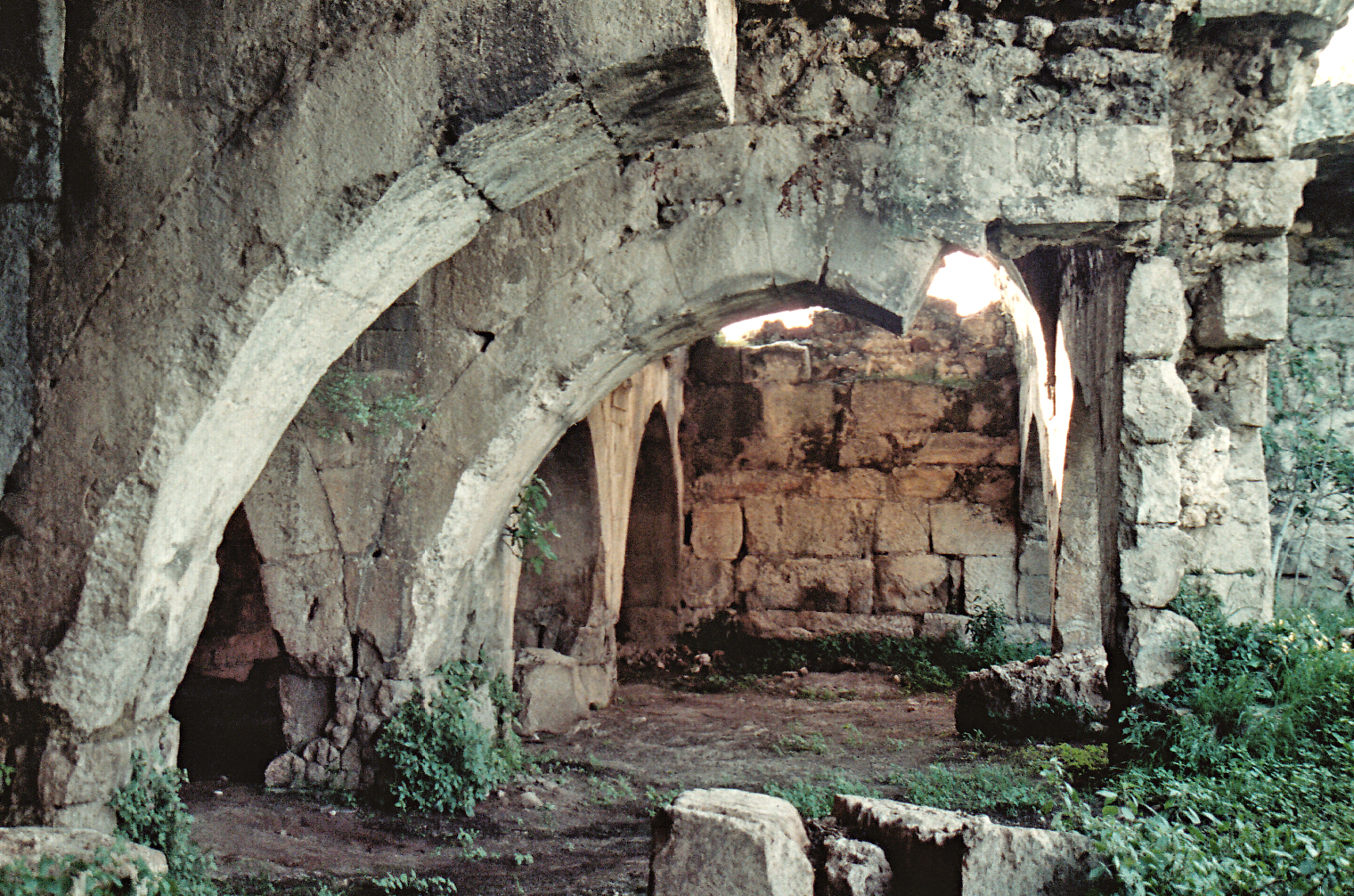
A Four-Iwan Ribat in the Mediterranean Corridor: Evdir Han in Antalya
Evdir Han, a pioneering example of Anatolian Seljuk caravanserai architecture with its open courtyard plan, four main iwan, marble portal, seven-tier muqarnas corbeling, and mihrab niches, constructed by Sultan I. Izzeddin Keykavus between 1211-1220.
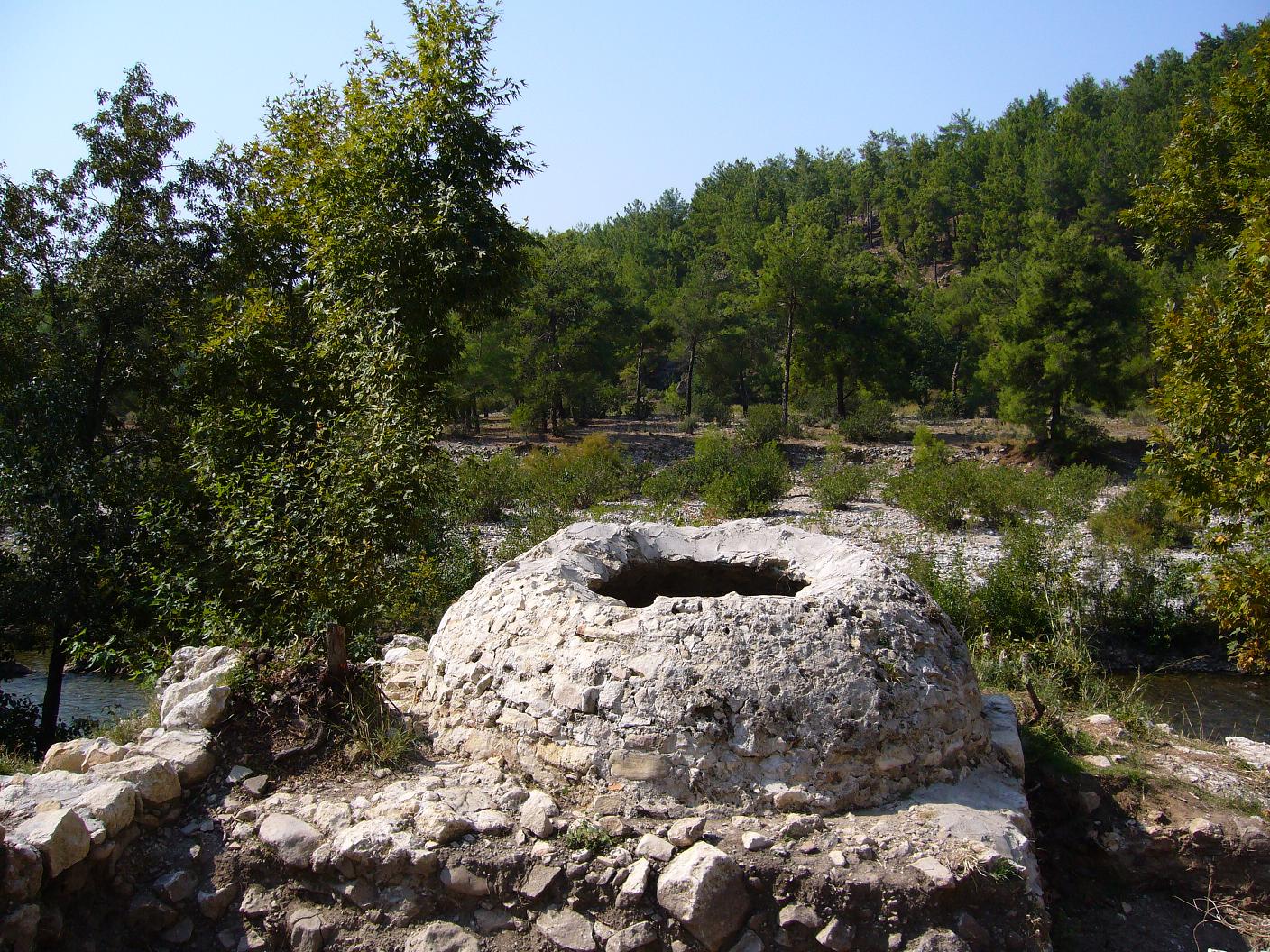
A Sultan Caravanserai on the Edge of the Mediterranean: Alara Han in Alanya
A Seljuk-period caravanserai constructed between 1231–1232 by I. Alâeddin Keykubad along the banks of the Alara River between Alanya and Antalya, characterized by its symmetrical compartmentalization plan centered on an open courtyard and enclosed hall, lion-headed corbeling, and fountain iwan—representing one of the most distinctive Seljuk caravanserais.
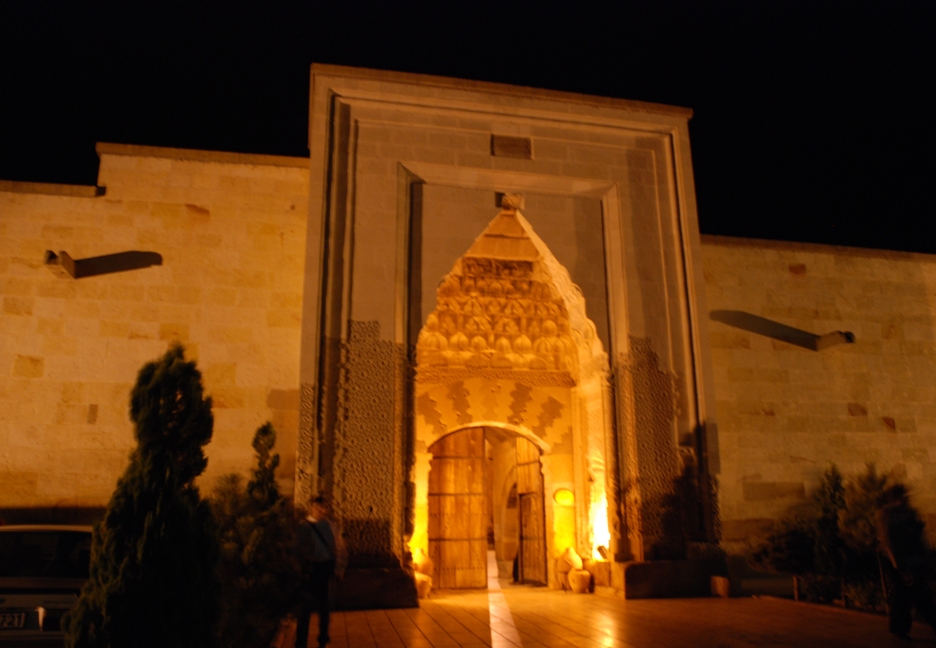
The Last Sultan Caravanserai of the Silk Road: Sarıhan in Avanos
A composite plan scheme with an open courtyard and enclosed sections, a pavilion mosque accessible via a staircase from the portal side, and two-colored tuff stonework that repeats Seljuk sultan caravanserai traditions, built by Sultan II. Izzetdin Keykavus in 1249 on the Nevşehir-Kayseri route.
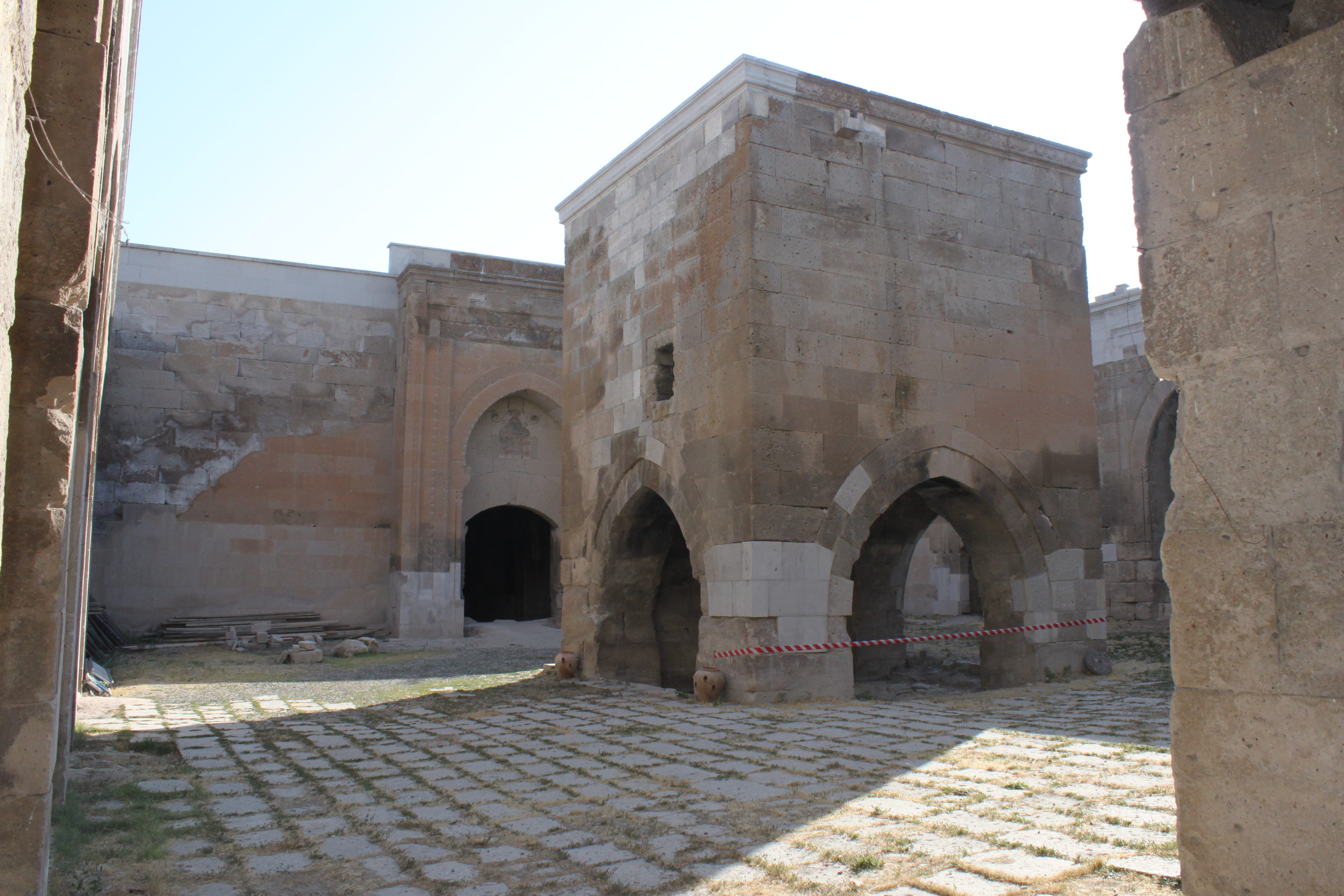
The Geometric Fortress of Ağzıkara Han Caravanserai
Built between 1231-1237 on the Aksaray-Kayseri route, Ağzıkara Han is the Seljuk caravanserai most resembling a fortress due to its heavy piers, corner towers, elevated kiosk mosque, and geometric stone ornamentation.
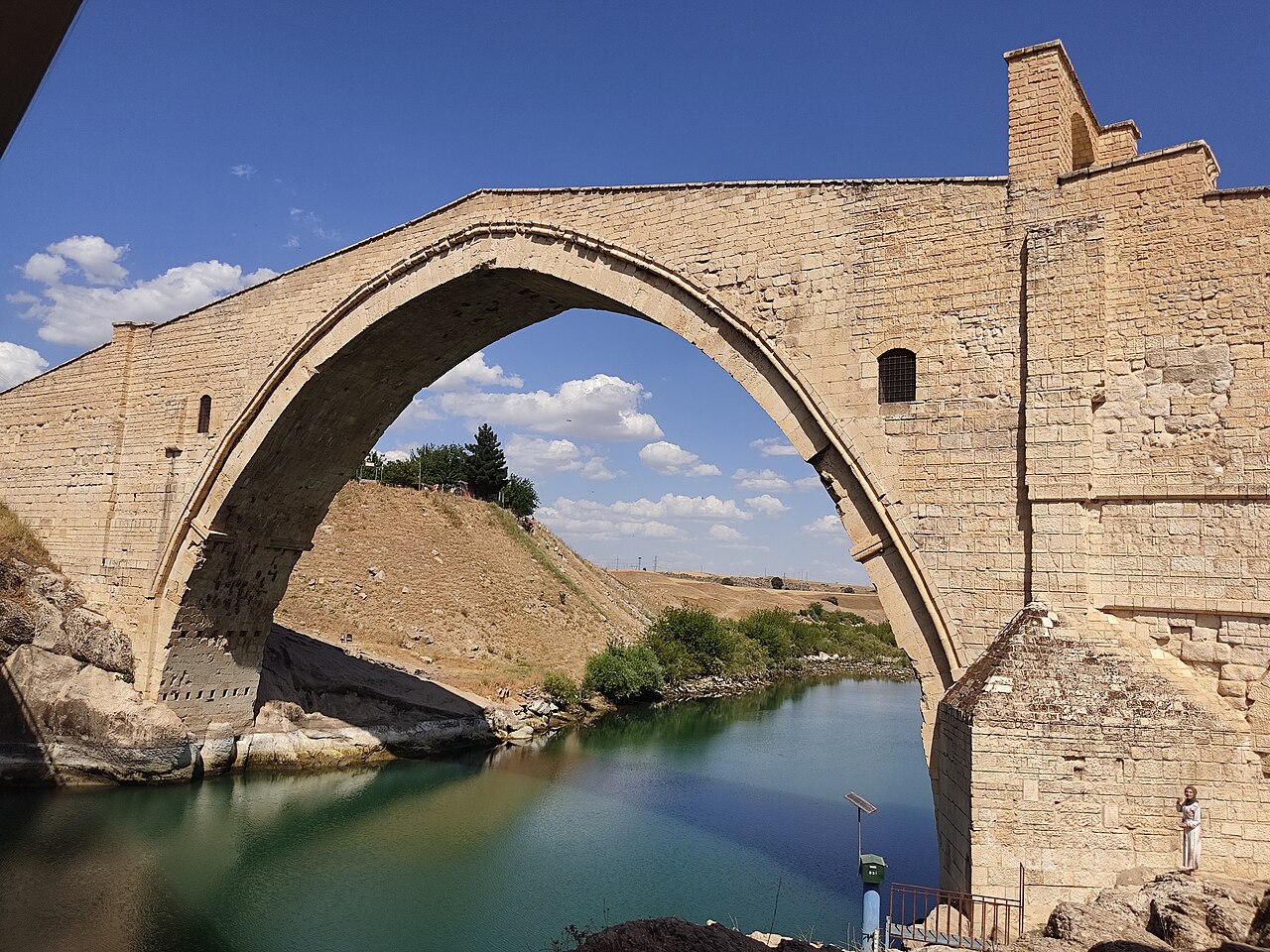
Upper Mesopotamia Artuqid Cultural Route: The Memory of Stone and Water
The Artuqid architectural corridor extending from the black basalt of Diyarbakır Walls to the monumental Malabadi Bridge over Batman River, then to Mardin Ulu Mosque and Kasımiye Medrese.
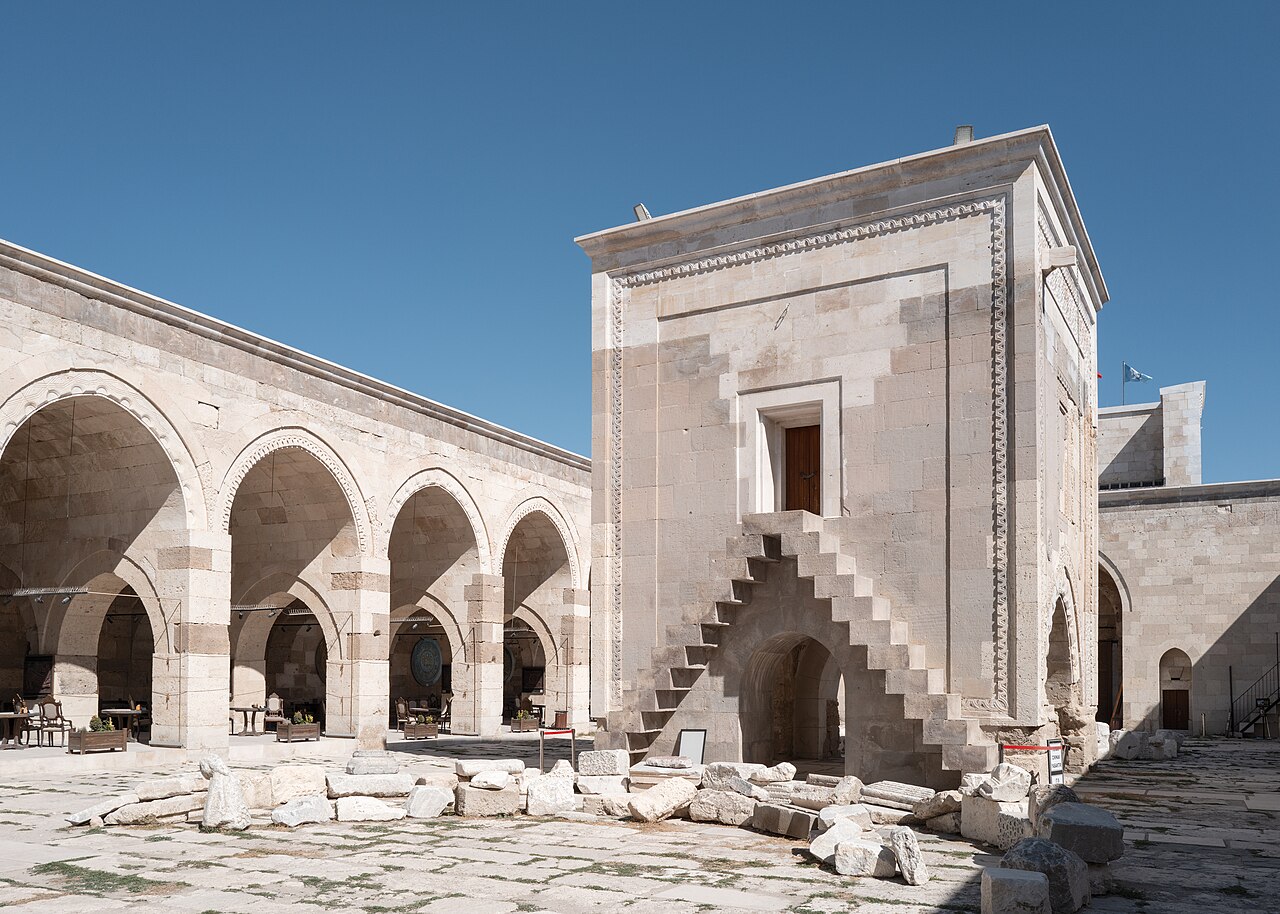
Konya–Aksaray–Kayseri Historical Caravan Corridor: The Stone Fortresses of Bozkır
The 380-kilometer Silk Road route from the wooden-pillared Eşrefoğlu Mosque on the shores of Lake Beyşehir to Aksaray Sultan Han, thence to Kayseri’s Döner Kümbet and Karatay Han.
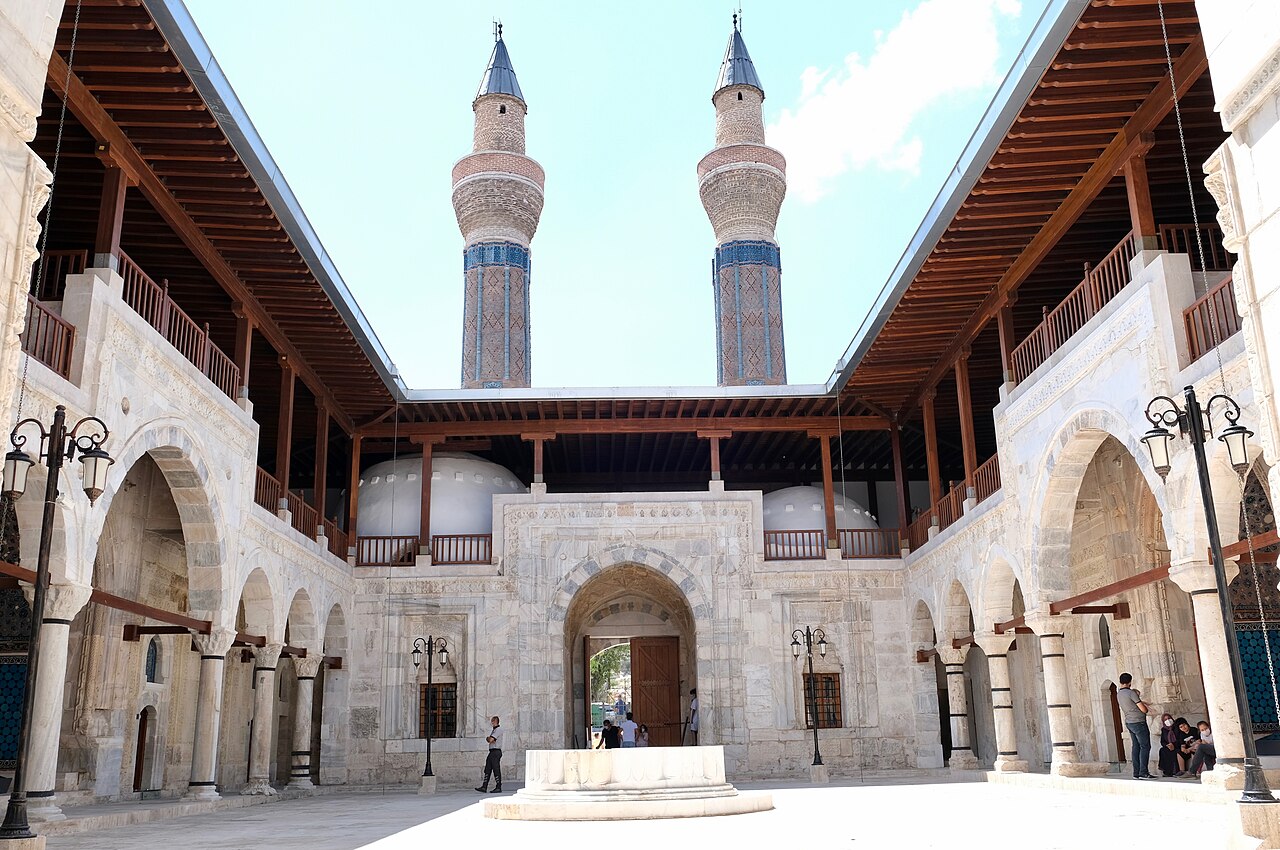
Sivas Seljuk and Mengücek Heritage Corridor: Traces of Stone and Glazed Tiles in the Steppe
A two-day cultural and architectural corridor connecting Sivas Gökmedrese's turquoise and lapis lazuli glazed twin minarets with Güdük Minare's brick cylinder, then to Mengücek's masterpiece Divriği Dârüşşifası.
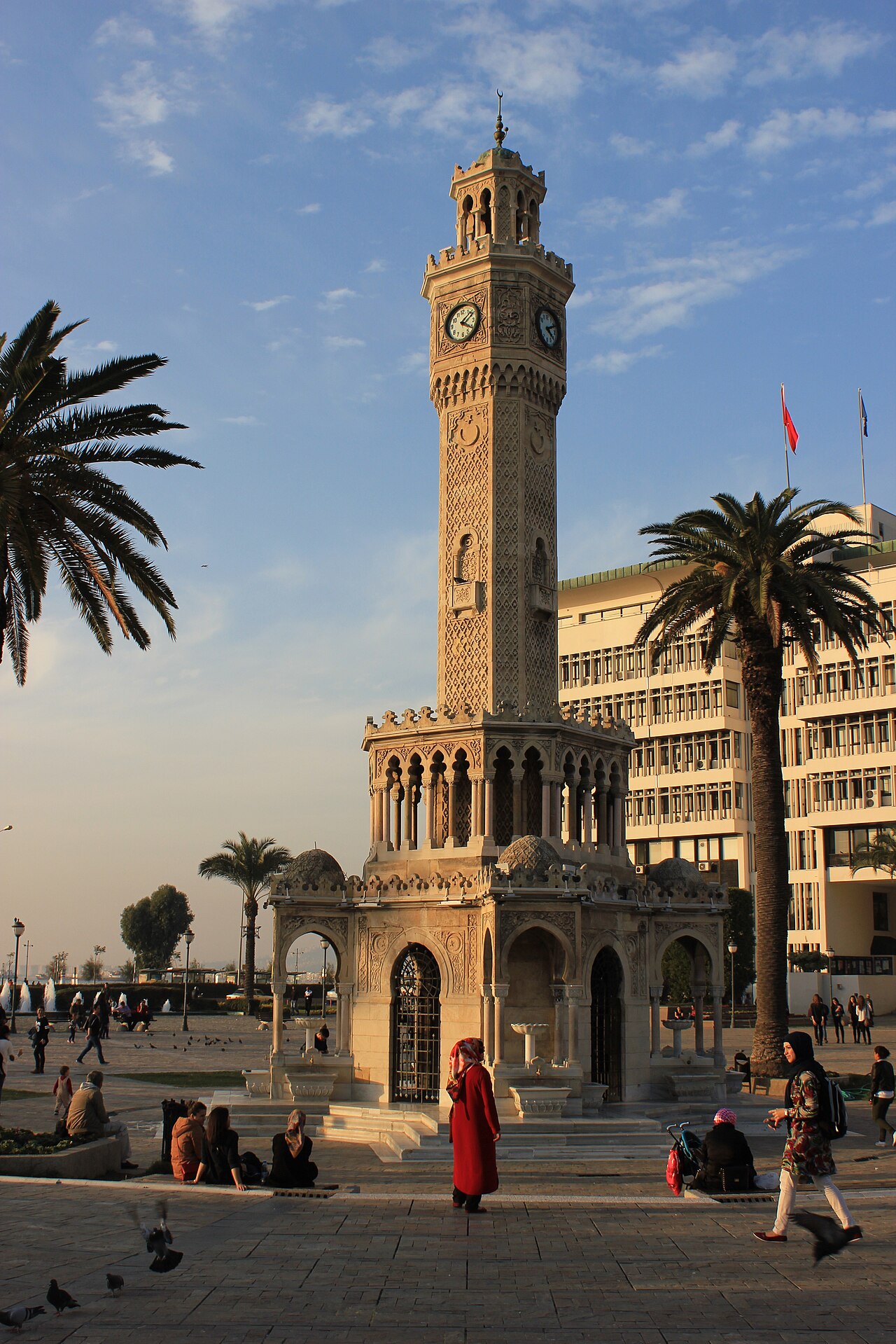
Nine Days in İzmir: Türkiye Kültür Yolu Festivali
Türkiye Kültür Yolu Festivali, 24 October–1 November 2026; held at İzmir Kültür Sanat Fabrikası, Efes Deneyim Müzesi, Bornova, and Konak with exhibitions, theater performances, and concerts.
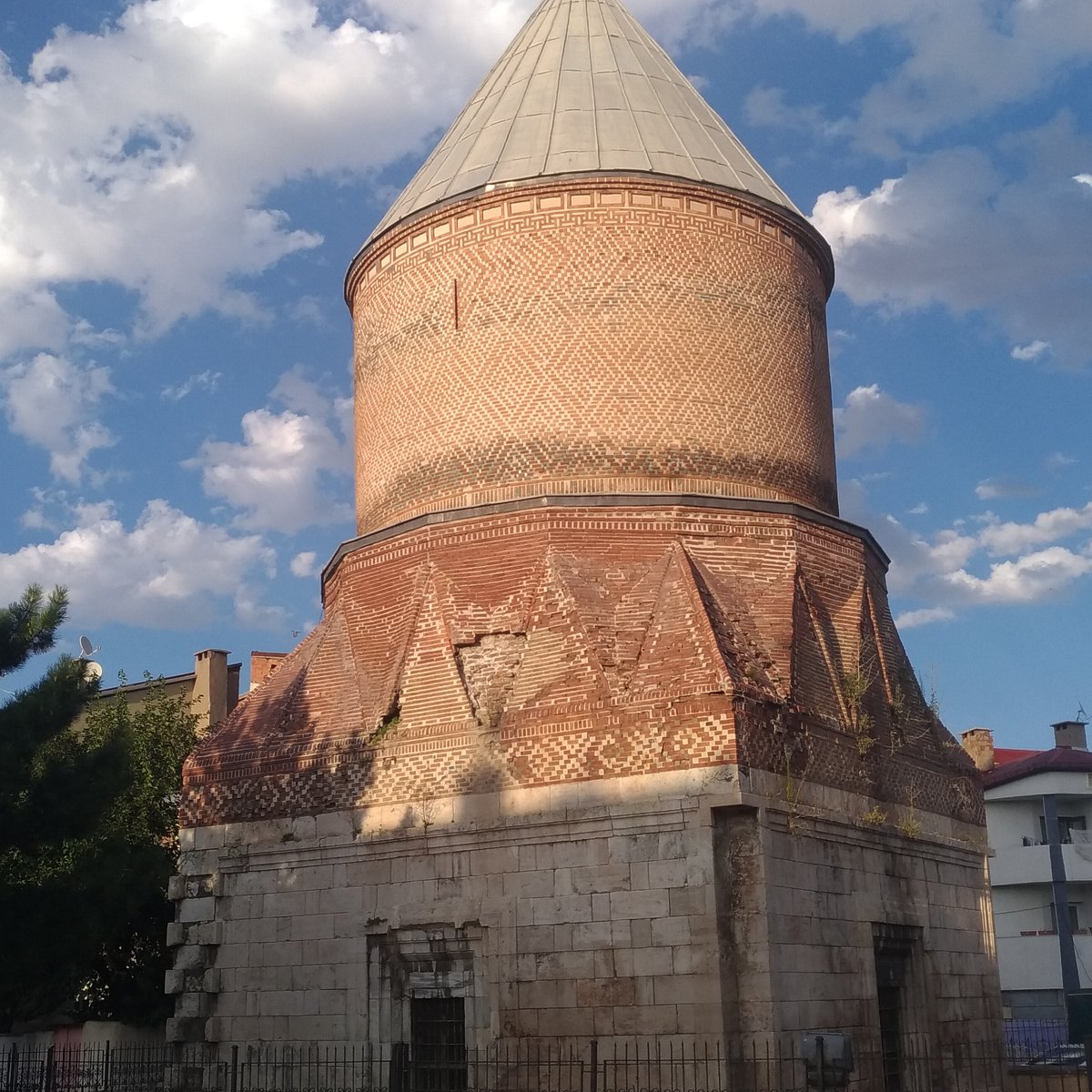
Güdük Minaret and Sheikh Hasan Bey Tomb
Monumental tomb of the Eretnid State from 1347; cut stone cubic base, thirteen large Turkish triangles, turquoise-glazed brick ornamentation, and an epigraphic band on the sarcophagus.
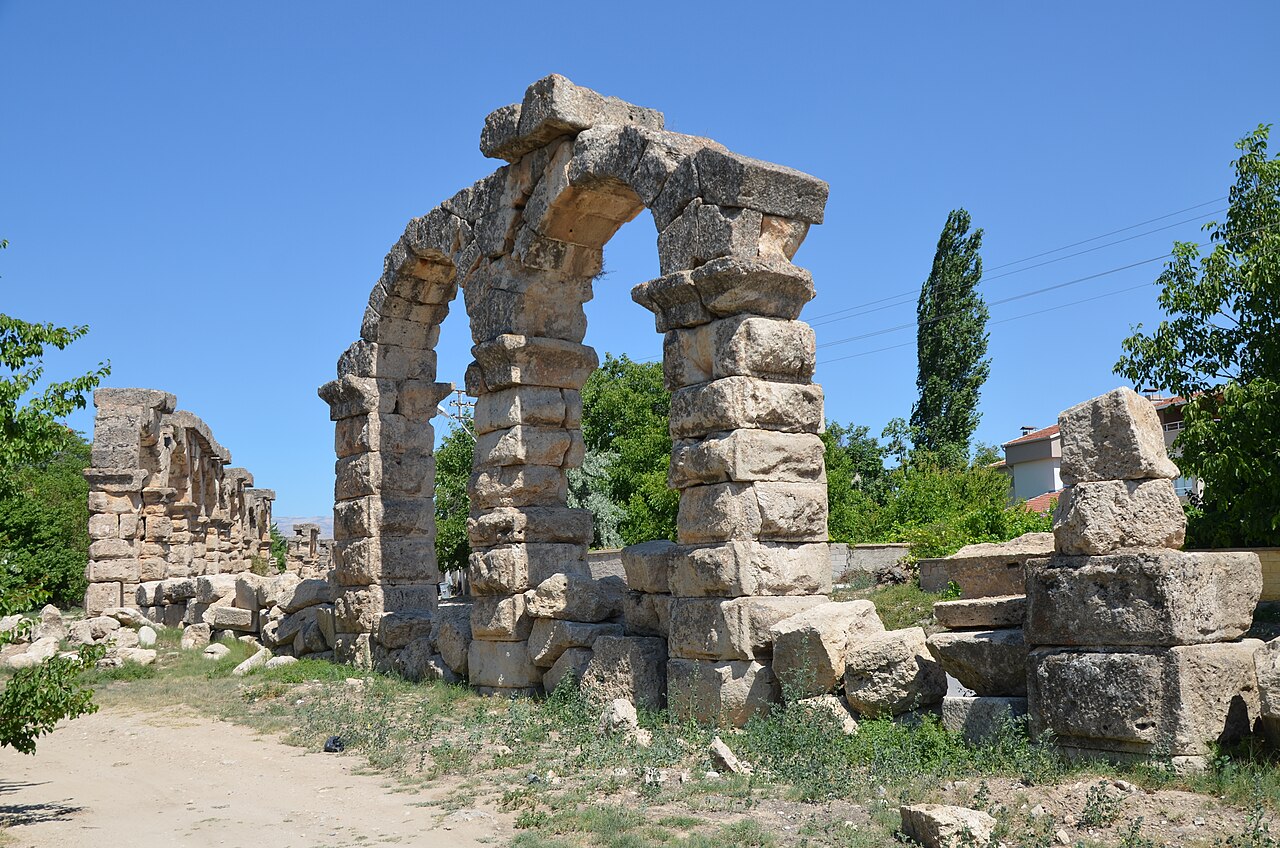
Tyana Aqueducts and Ancient City
Roman hydraulic engineering in southern Cappadocia, including the Roman Pool fed by the Köşk Höyük spring and 1.2 km of monumental aqueduct arches in Tyana.
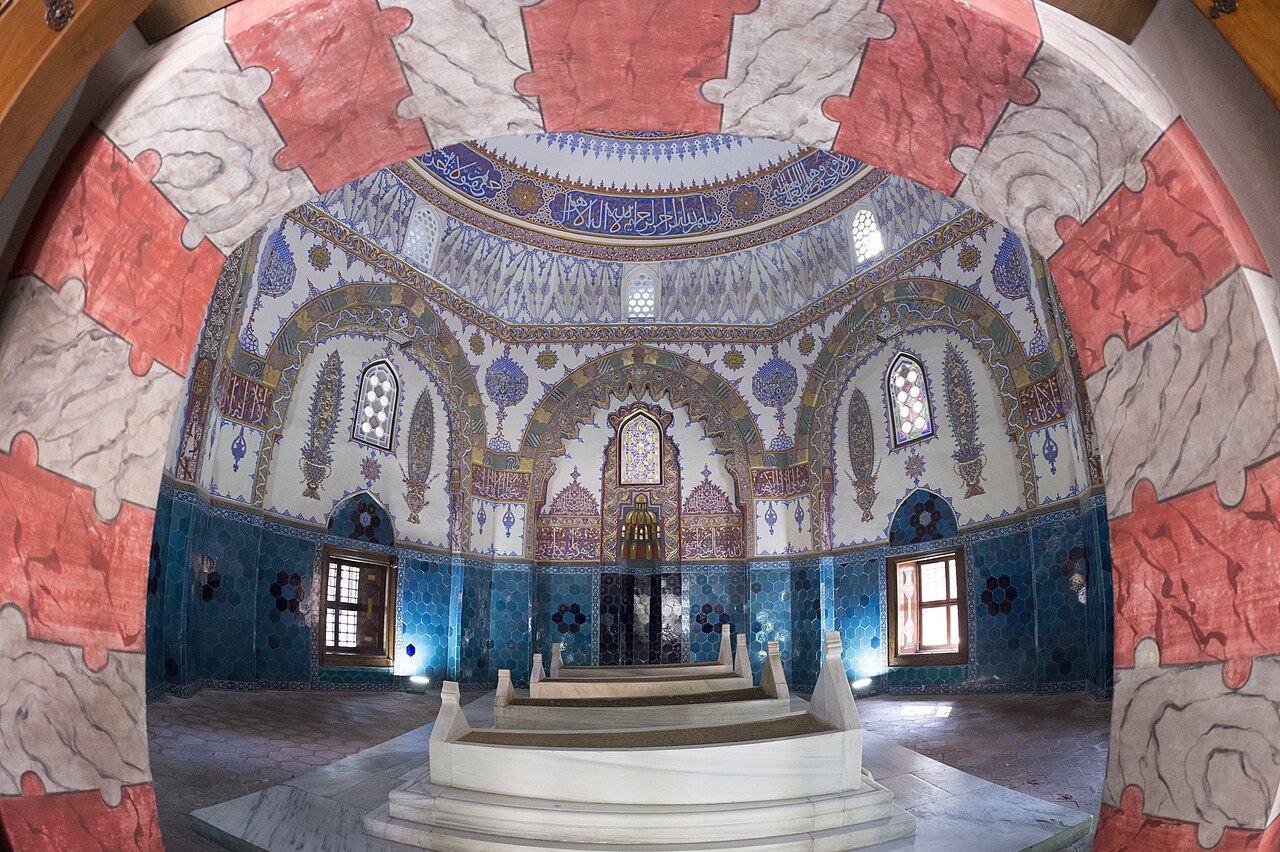
Cem Sultan Tomb in Bursa
The hexagonal lapis lazuli tiles, gold-gilded calligraphic panels, almond-shaped dome transition, and melancholic prince history of Cem Sultan Tomb within the Muradiye Complex.
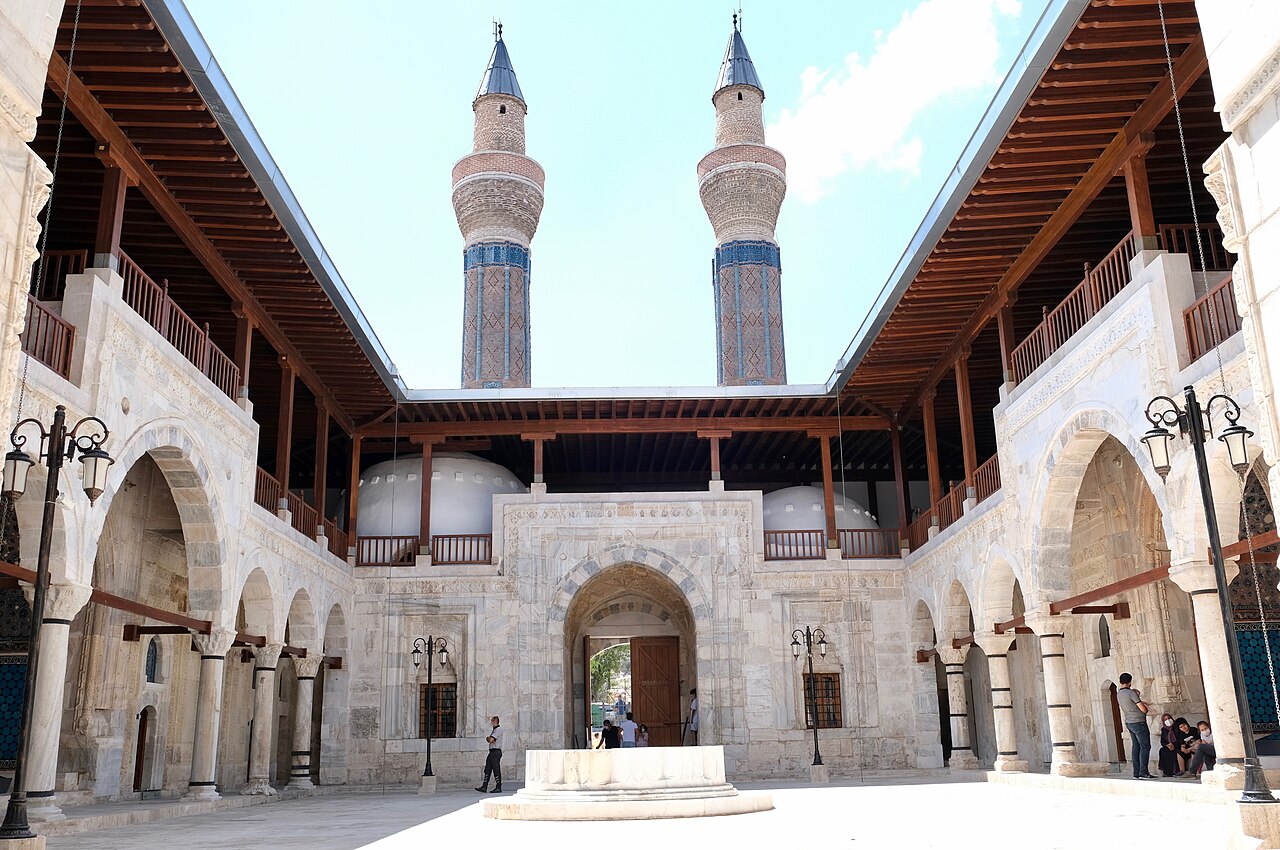
Sivas Gökmedrese (Sâhibiye Medresesi)
A 1271 monument by the Seljuk vizier Sâhib Ata; featuring a Kālûyân-signed portal, lapis lazuli-glazed twin minarets, carved tree of life motif, and open courtyard [1].
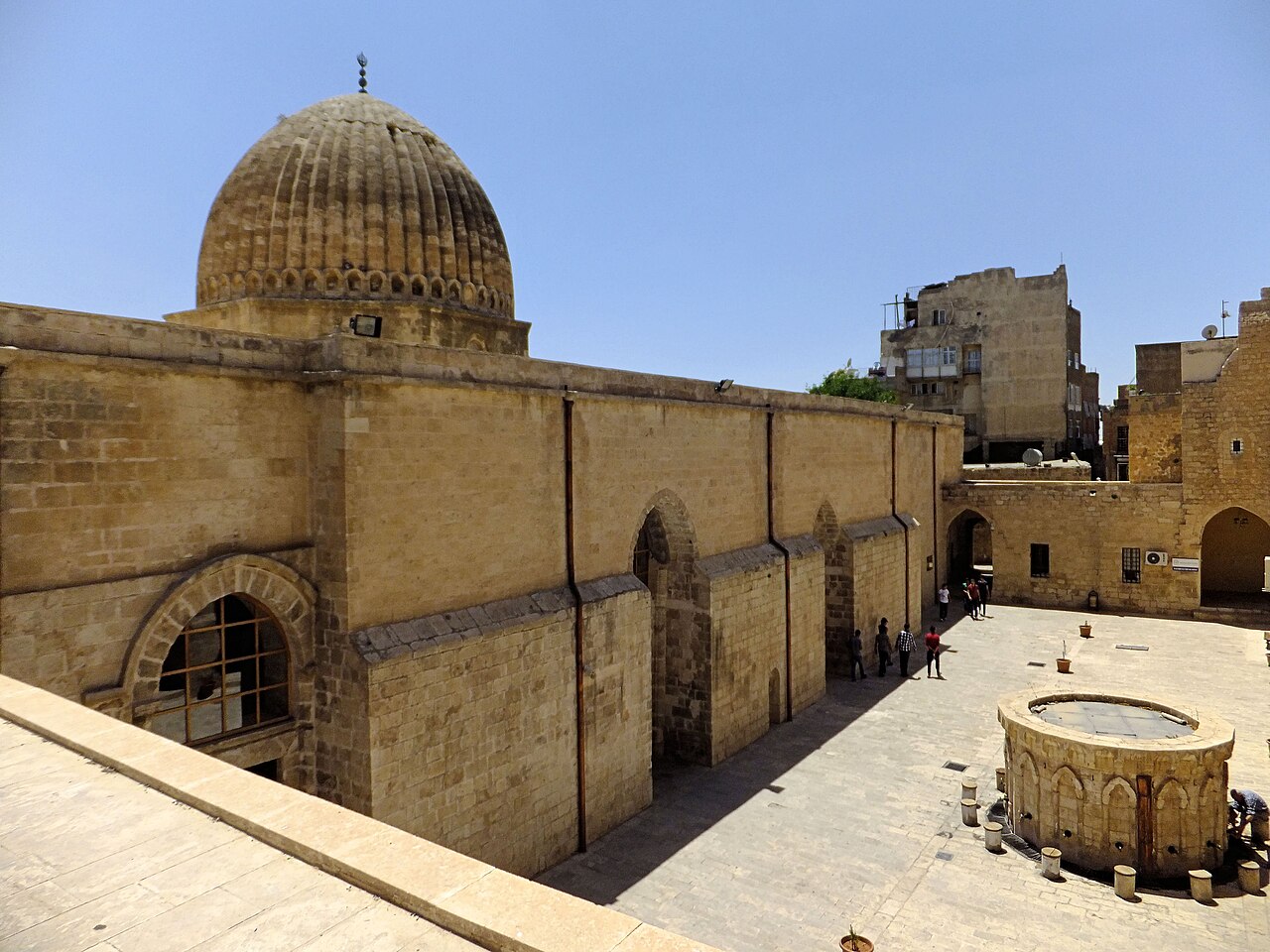
Mardin Ulu Camii
The segmented fluted dome facing the Mesopotamian plain, the carved minaret in the northeast corner, its courtyard selsebil cascade, and its pivotal role in Artuqid architecture.
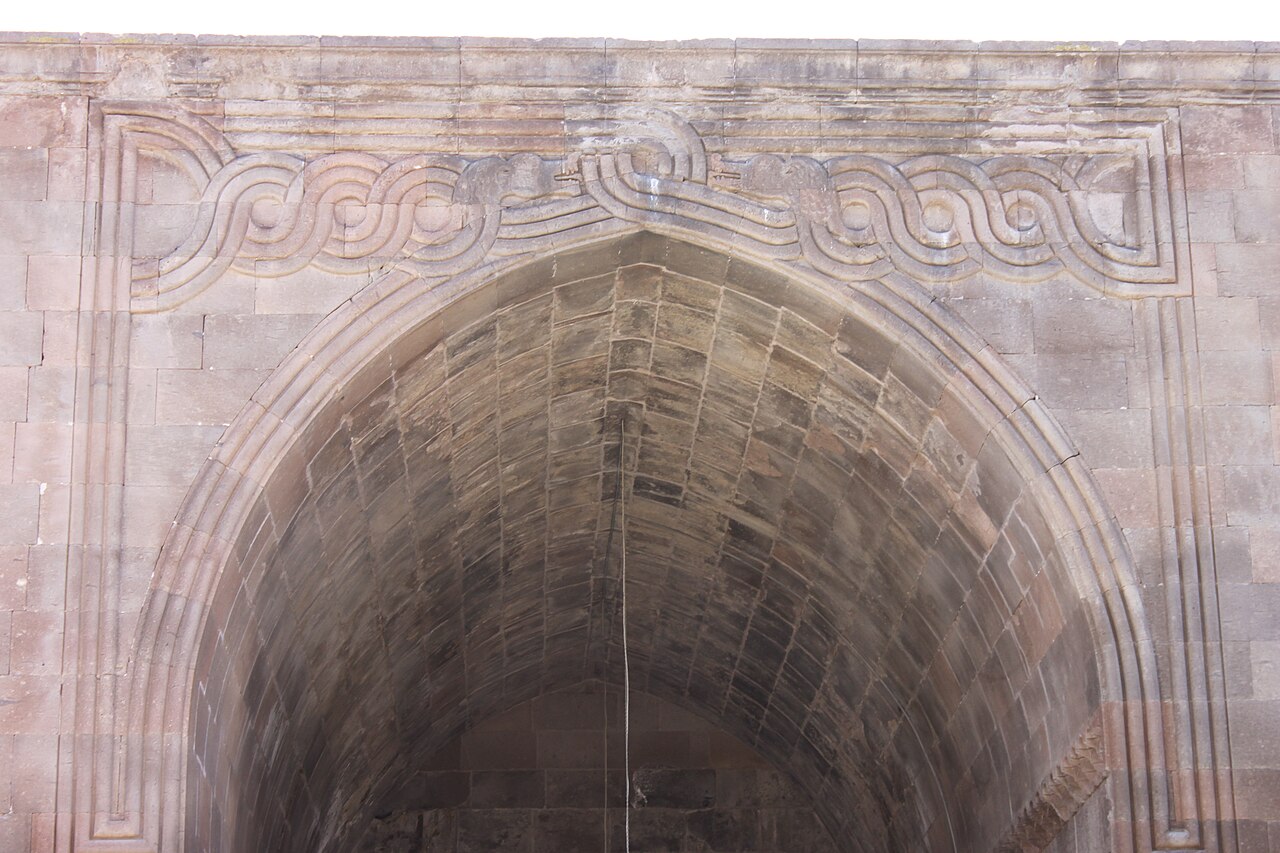
Bünyan Karatay Hanı
Monumental caravanserai on the Kayseri-Malatya caravan route, constructed by Celâleddin Karatay in 1240, featuring human and animal reliefs on its portal, hamam, and eighteen supporting towers [1, 2].
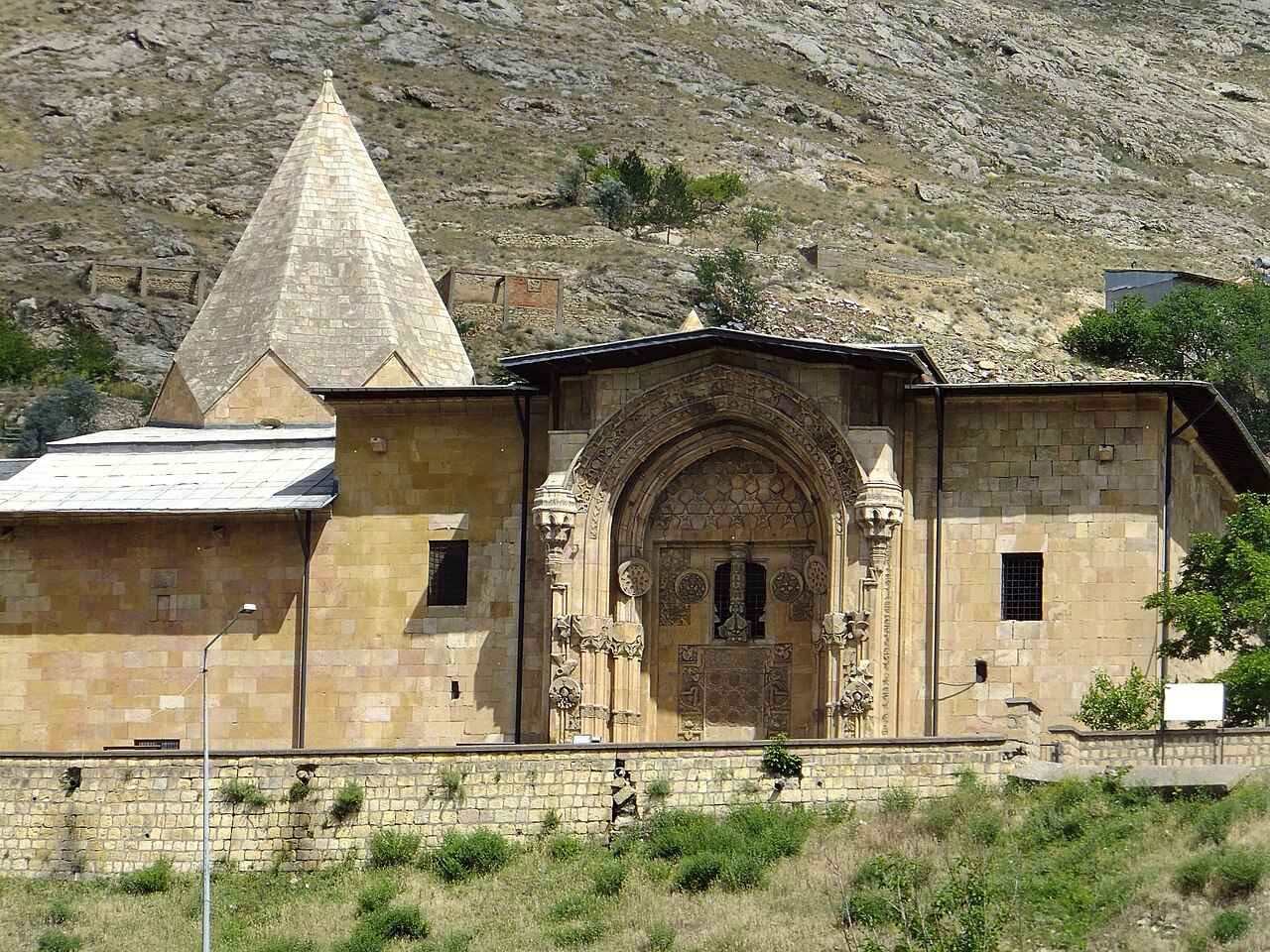
Divriği Dârüşşifası and Hospital Complex
The Mengücekli hospital complex with its Gothic-reminiscent pointed arch entrance, octagonal pool courtyard, and vaulted iwan, commissioned by Turan Melek Hatun in 1229.
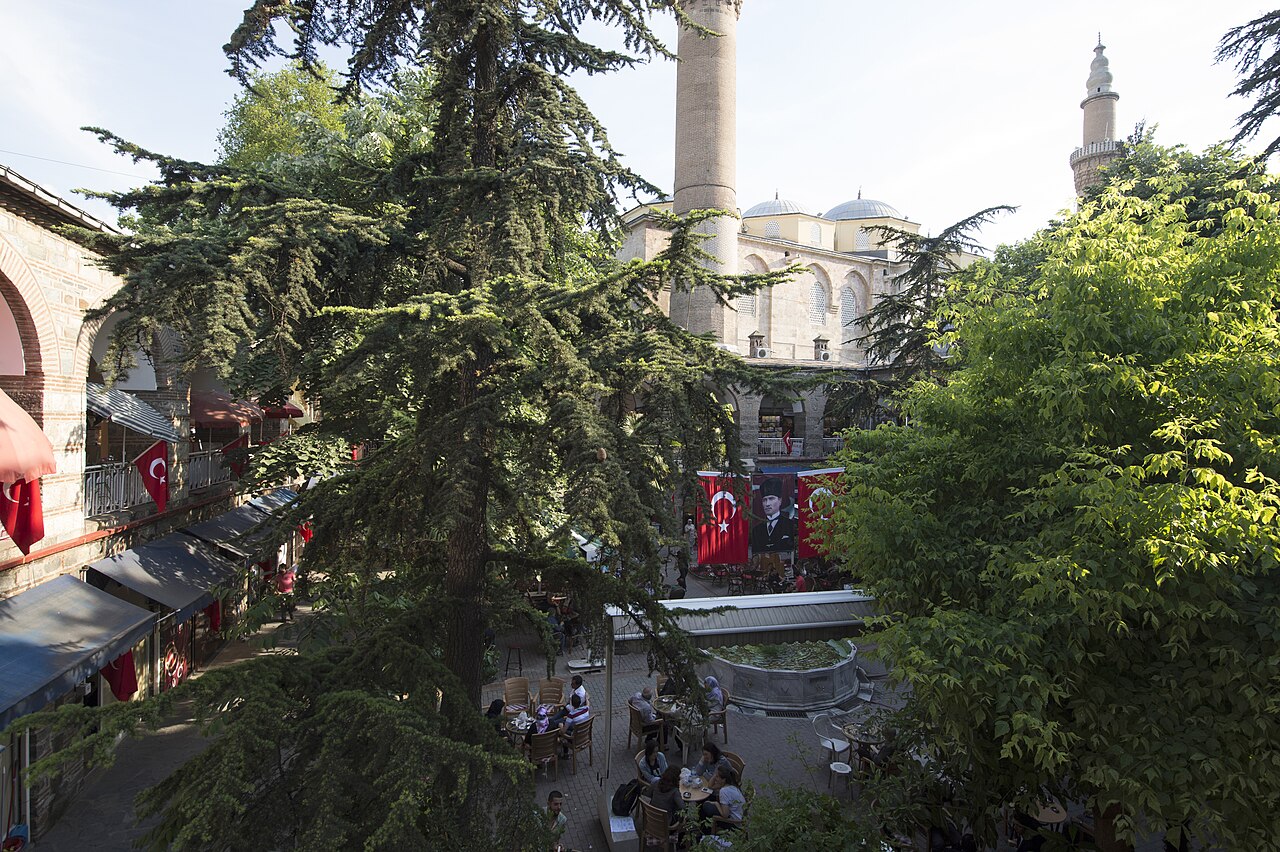
Bursa Koza Han
A two-storey urban caravanserai with an arcaded courtyard, central octagonal elevated kiosk mosque, and marble şadırvan fountain court, constructed under Sultan II. Bayezid in 1491.
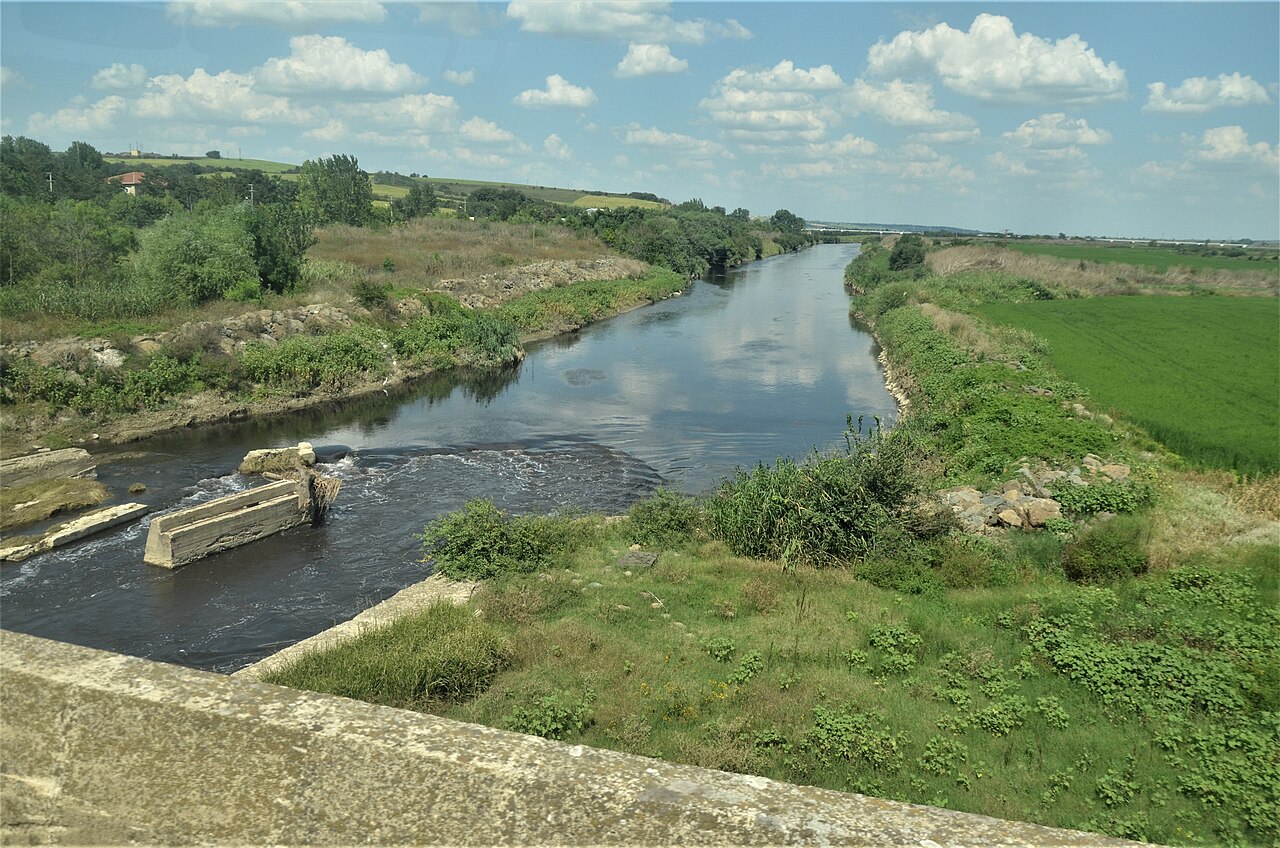
Uzunköprü (The Long Bridge of Ergene)
A 174-arched early Ottoman stone bridge constructed over the Ergene River during the reign of Sultan II. Murad (1426–1443), featuring triangular cutwaters, flood arches, and figural stone reliefs.
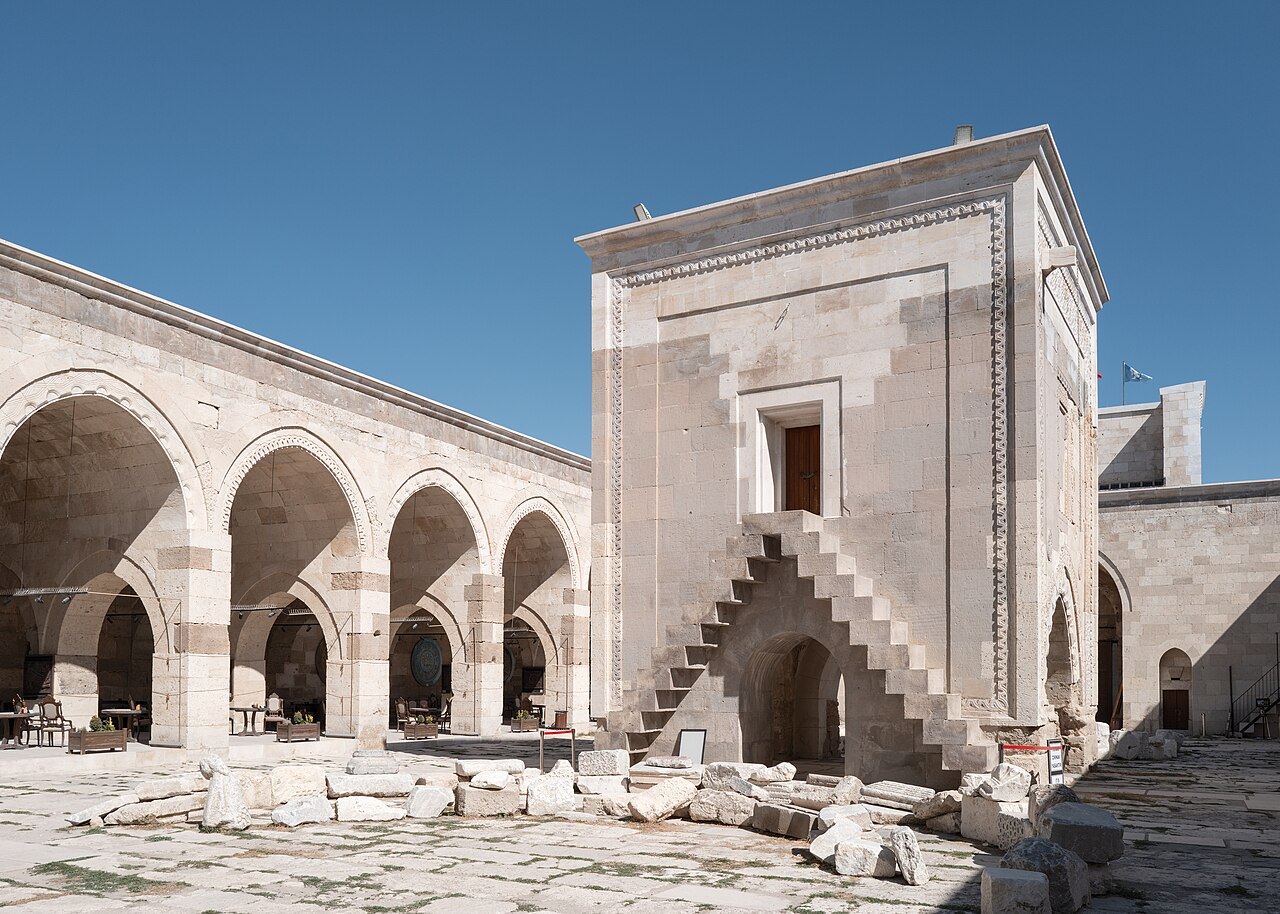
Aksaray Sultan Han
The grandest Seljuk caravanserai constructed in 1229 by Sultan I. Alâeddin Keykubad, featuring a two-colored marble portal, central elevated kiosk mosque, and a 32-pier vaulted winter hall.
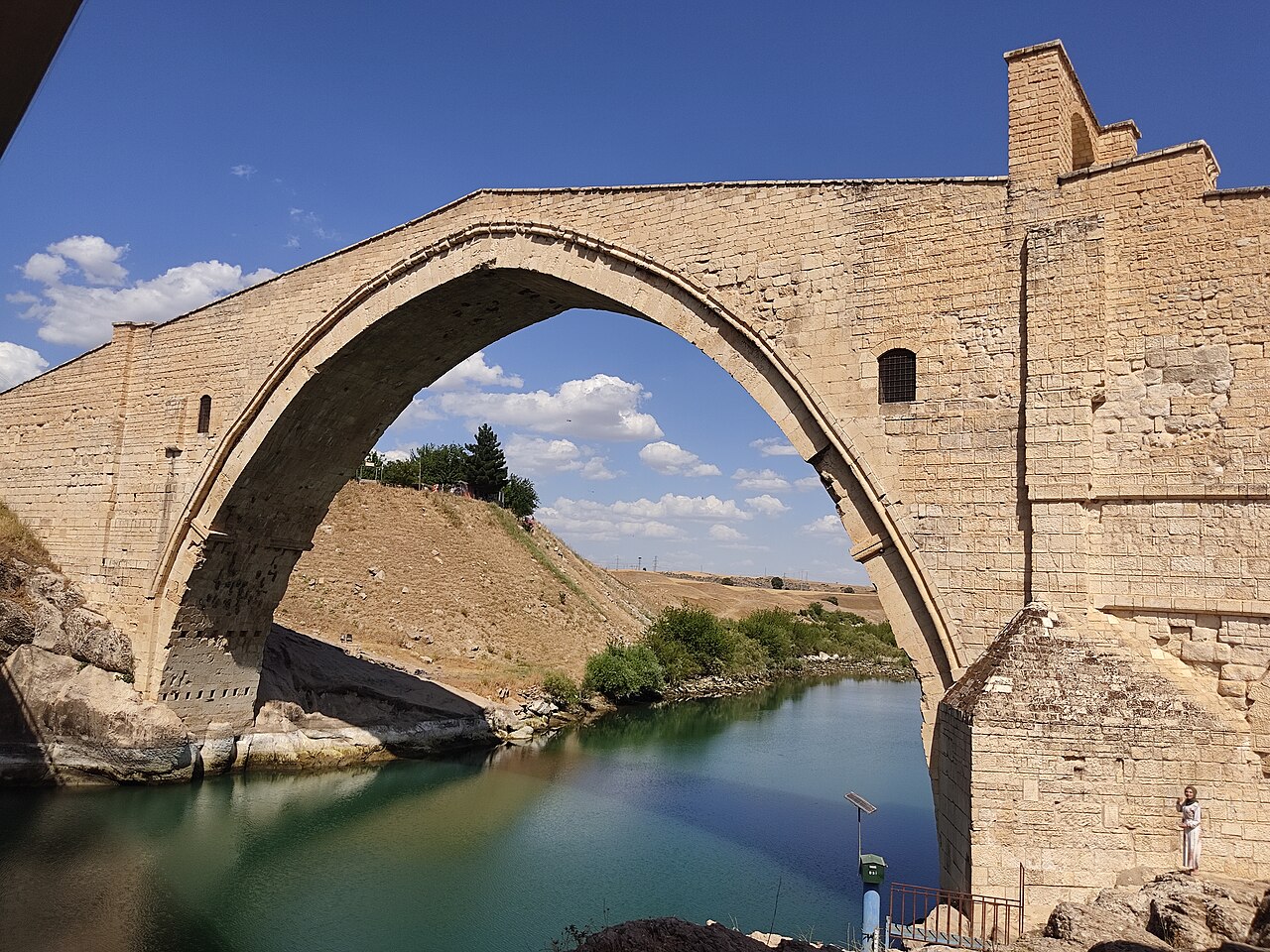
Malabadi Bridge
The monumental Artuqid stone bridge spanning the Batman River with an unprecedented 38.60-meter pointed arch, integrated travelers' chambers, and astrological figural reliefs.
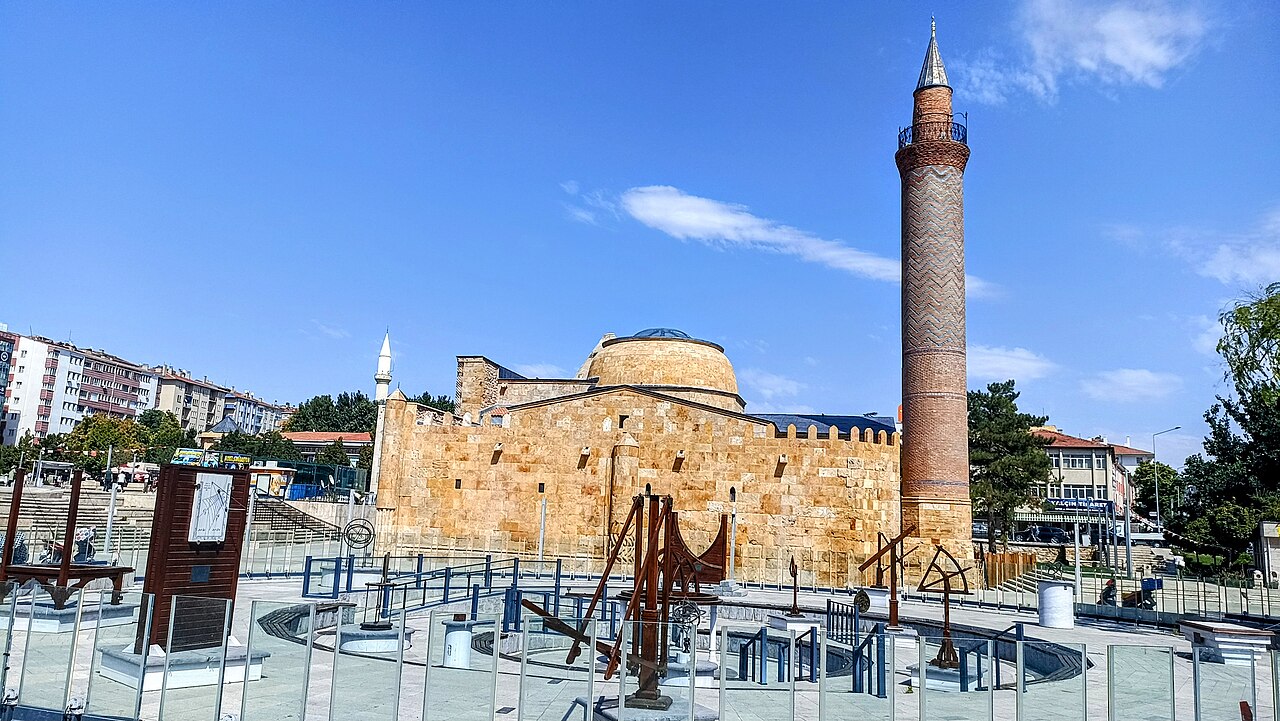
Cacabey Medrese
Seljuk closed courtyard medrese plan, luminous lanterned dome, şadırvan water well, turquoise-glazed minaret, and 1272 Mongolian-Arabic waqf charter make it a Kırşehir provincial monument.
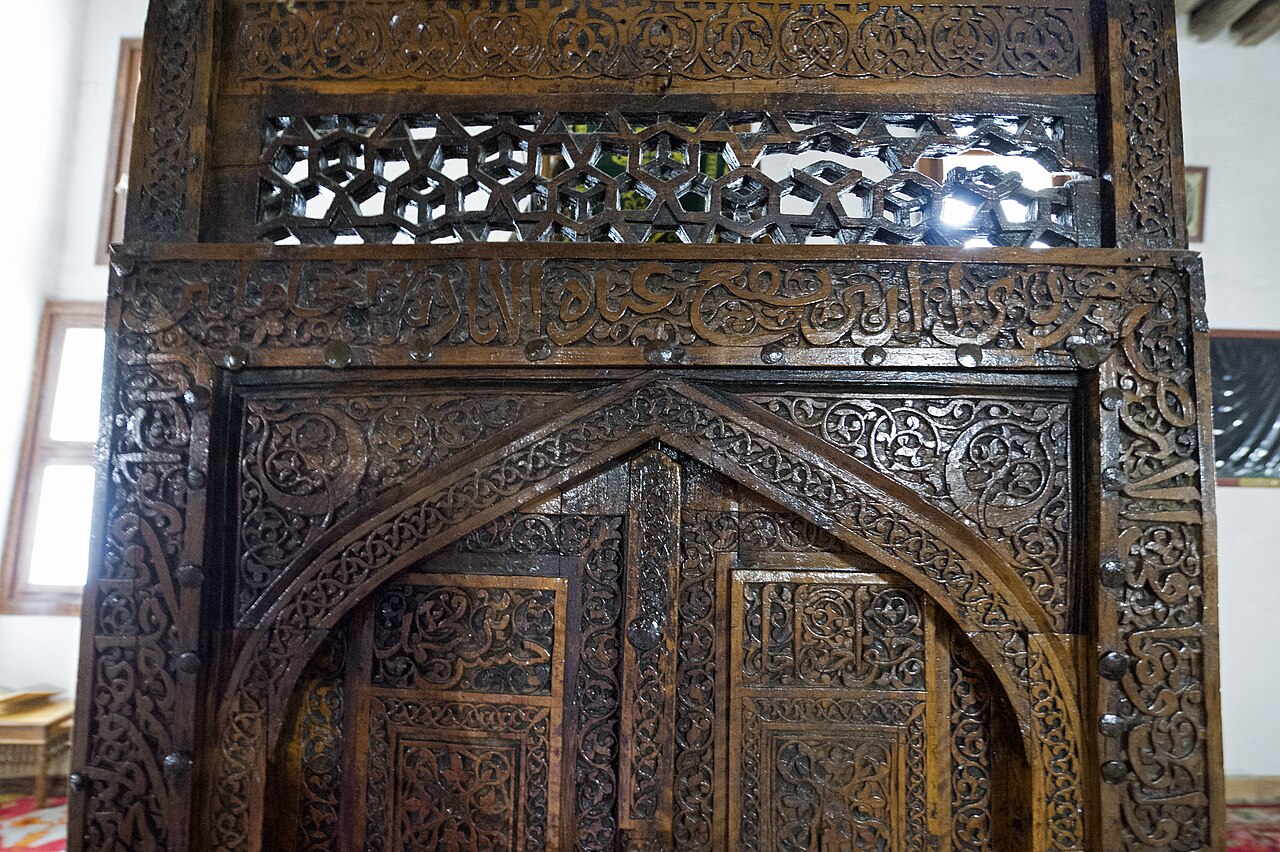
Sivrihisar Great Mosque
UNESCO World Heritage Seljuk hypostyle mosque with sixty-seven monumental wooden columns, spolia Corinthian capitals, and a 1245 CE kündekâri minbar.
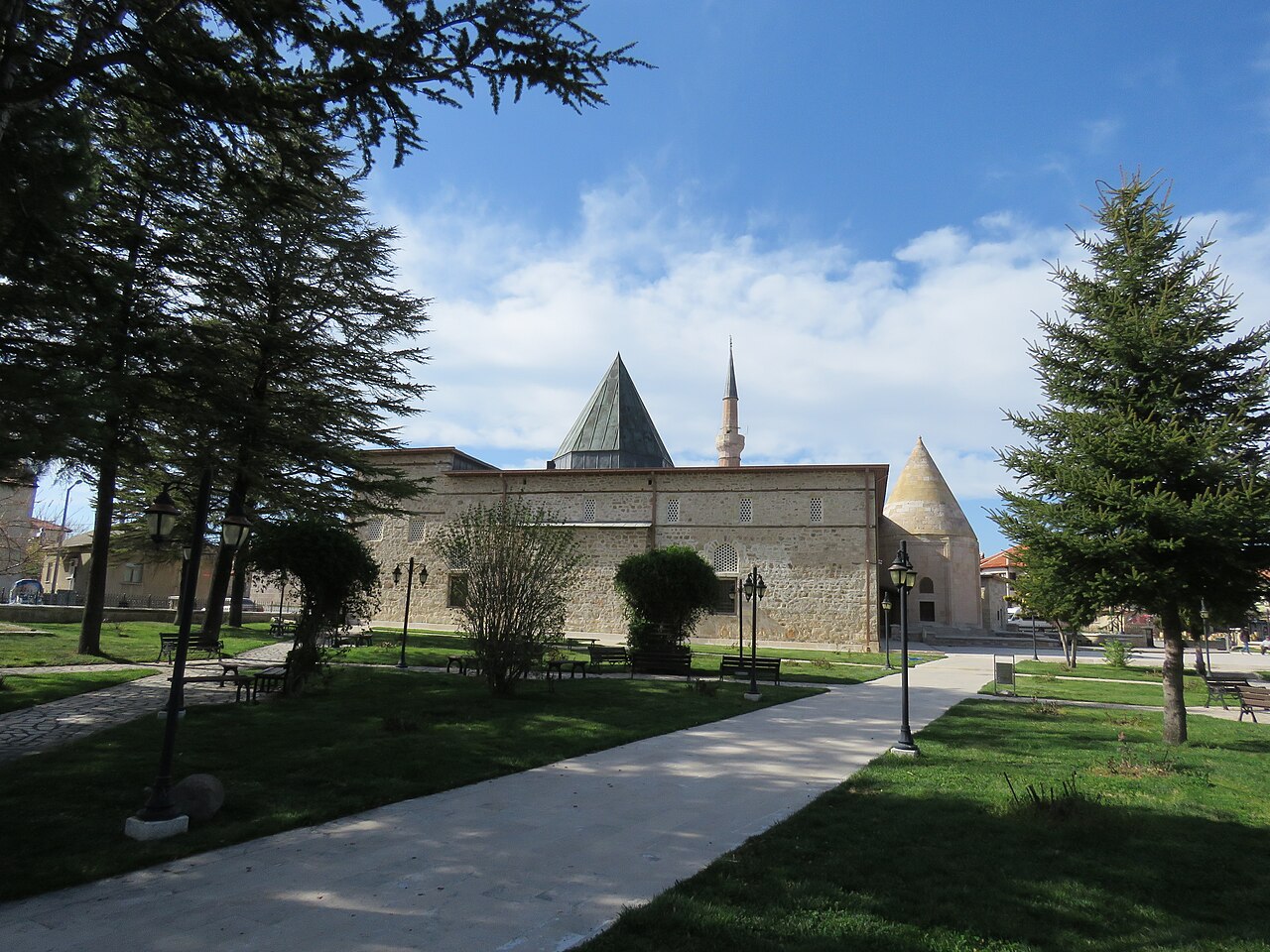
Beyşehir Eşrefoğlu Mosque
UNESCO World Heritage timber-roofed hypostyle mosque featuring forty-eight monumental cedarwood columns, central snow well (karlık), and an interlocking kündekâri walnut minbar.
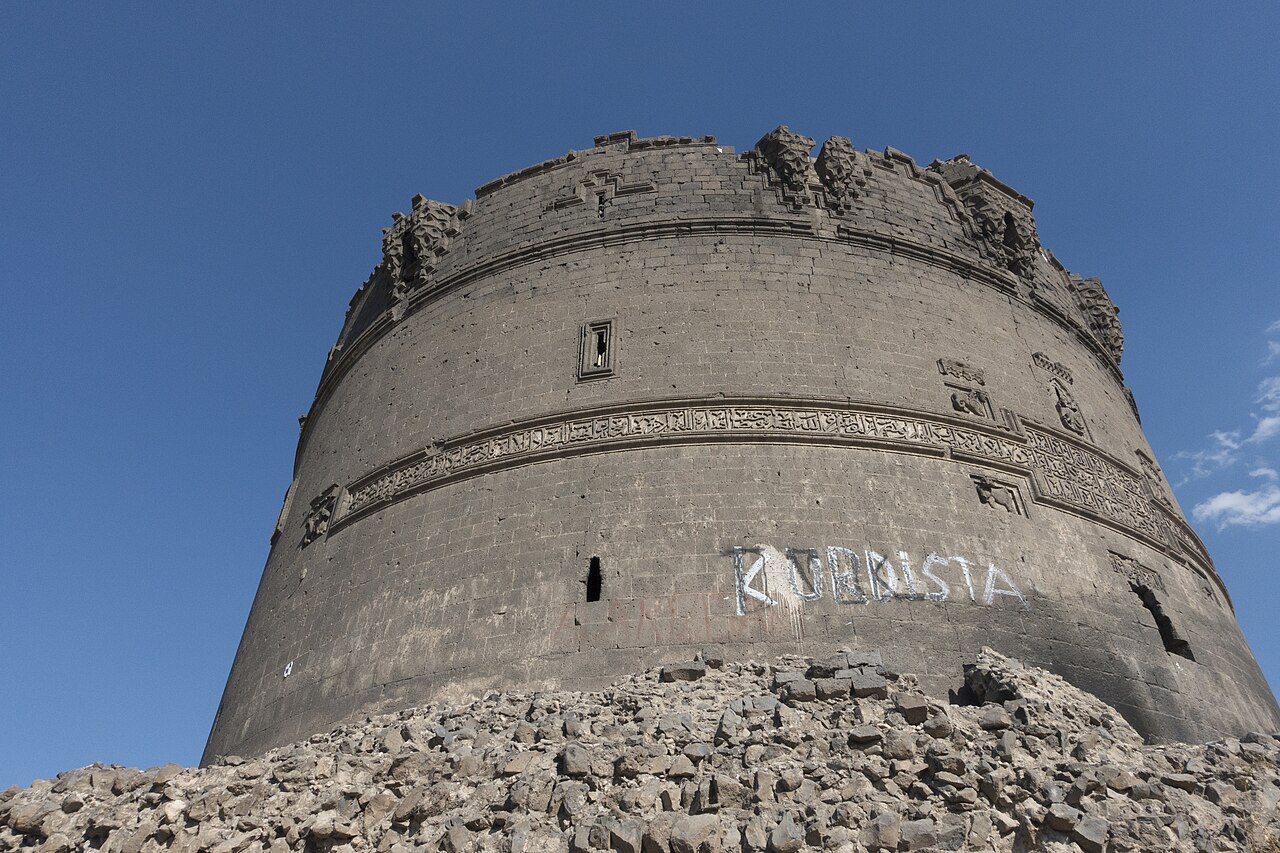
Diyarbakır Fortress and Walls
A UNESCO World Heritage black basalt circuit integrating Artuqid sculpted towers and Hevsel Gardens, preserving uninterrupted layers of Roman, Byzantine, Abbasid, Seljuk, and Ottoman epigraphy.
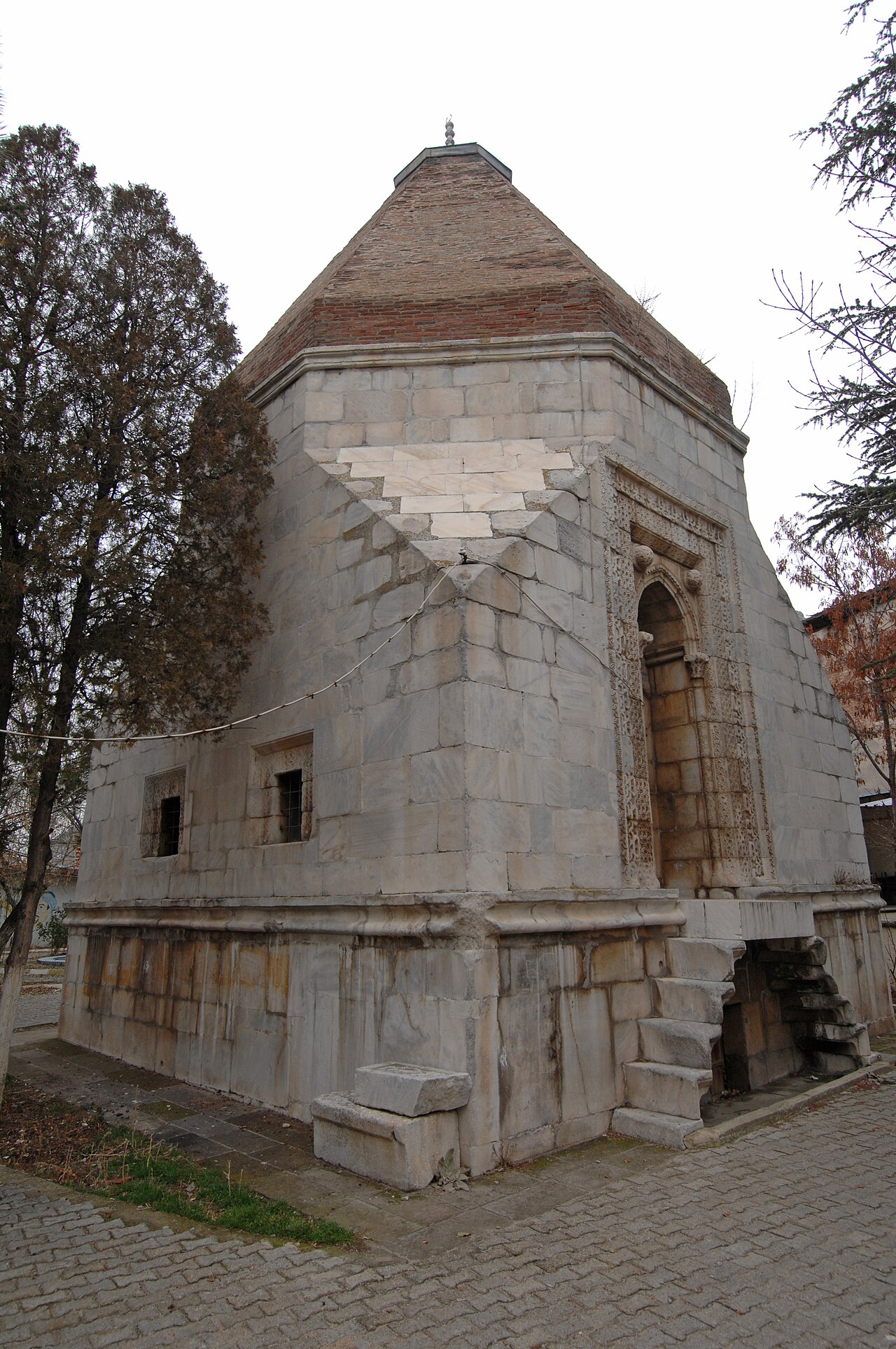
Âlemşah Dome in Sivrihisar: A Marble-Clad Ilkhanid Monument with Fish Relief
The 1327–1328 Âlemşah Dome in Eskişehir's Sivrihisar is a distinguished example of Anatolian funerary architecture, characterized by its carved marble body, eight-part brick pyramidal dome, crypt chamber, and the ancient fish relief on its portal.
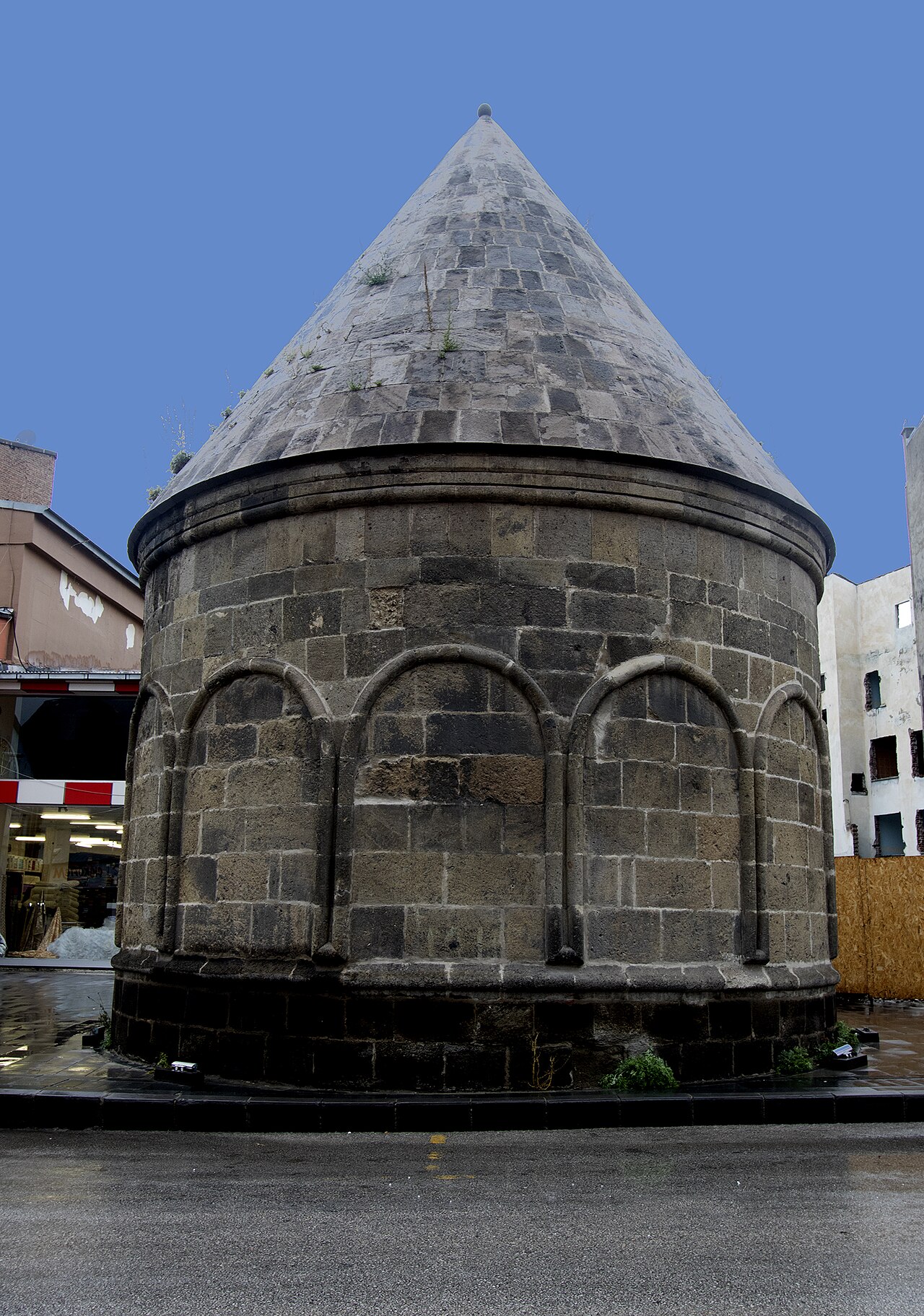
Cimcime Hatun Tomb: A Cylindrical Monumental Mausoleum of Melike Çiçak Hatun
The Cimcime Hatun Tomb, constructed in 1304 on Cumhuriyet Street in Erzurum, is a refined example of Ilkhanid monumental funerary architecture, characterized by its cylindrical body, twelve blind arches, the 2011-discovered crypt chamber, and the Melike Çiçak Hatun inscription.
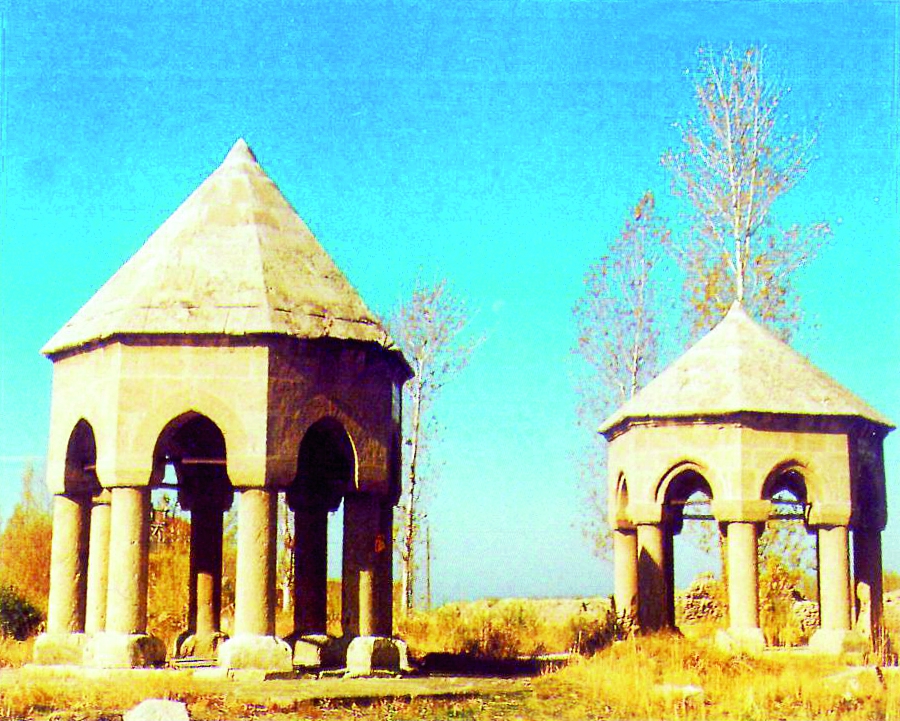
The Twin Mausoleums of Old Van: The Eight-Columned Baldachin Monuments of Orta Kapı Cemetery
Outside the walls of Old Van, the 18th-century endowment of the Orta Kapı Cemetery houses the Twin Mausoleums, representing the sole surviving example in Van of late Ottoman funerary architecture. These structures feature eight freestanding columns supporting pointed barrel vaults, pyramidal domes, and an open baldachin design.
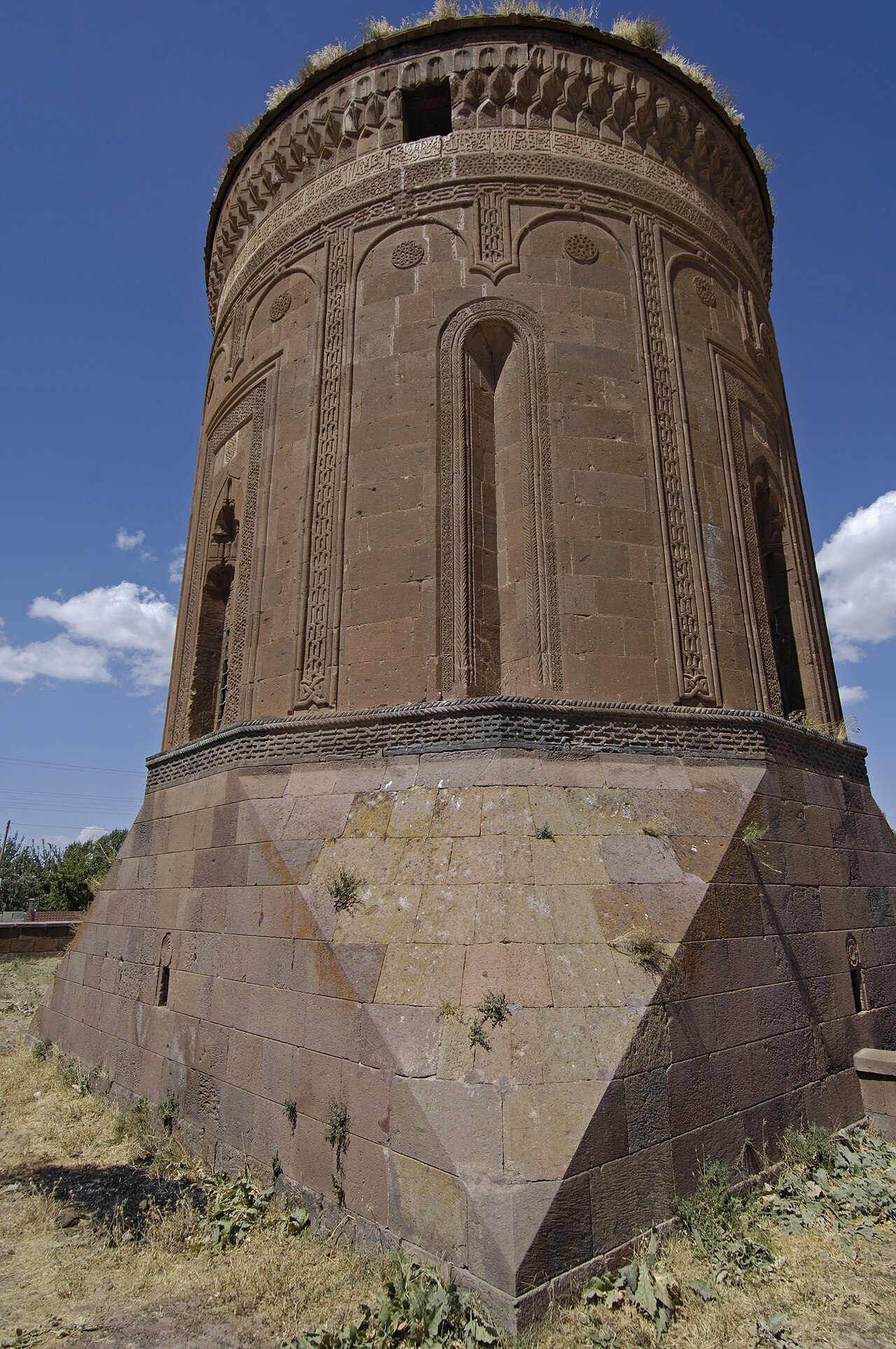
Ahlat Ulu Kümbet: The Monumental Mausoleum of the Nine-Step Dome
Located near Lake Van in Bitlis, Ahlat's 1273-dated Ulu Kümbet (Master Apprentice) is a monumental example of Ahlat mausoleum architecture, featuring a 9x9-meter base, cylindrical body, nine-step conical dome, Âyetü'l-Kürsî epigraphic band, and vaulted crypt.
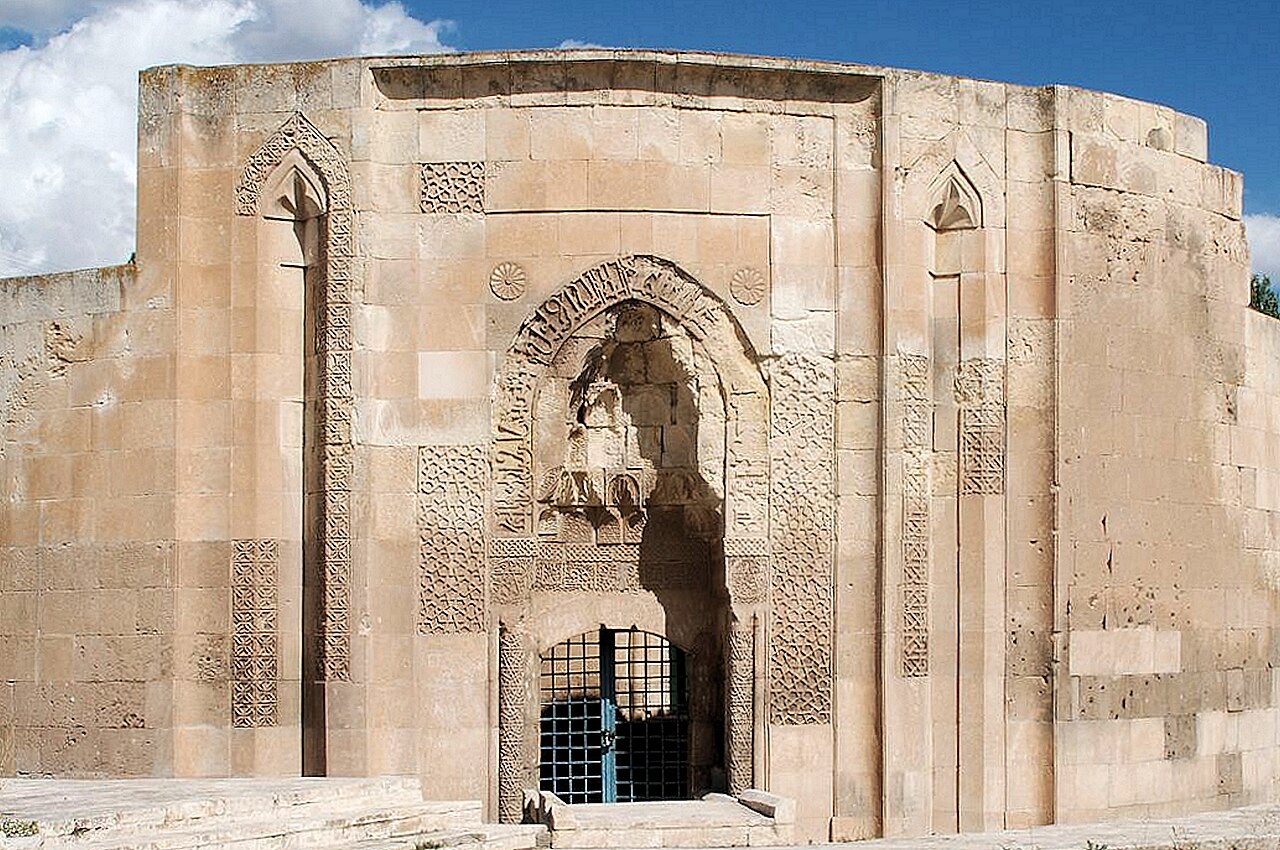
Tercan Mama Hatun Complex: The Circular Encircling Wall and Segmental Mausoleum of the Seljuk Masterpiece
The 12th-century complex constructed by Ahlatlı Architect Ebü'n-Nemâ b. Mufaddal in Tercan, Erzincan, on behalf of Saltuklu queen Mama Hatun; a unique masterpiece of world architectural history featuring a circular encircling wall mausoleum with niches, segmental dome, and caravanserai.
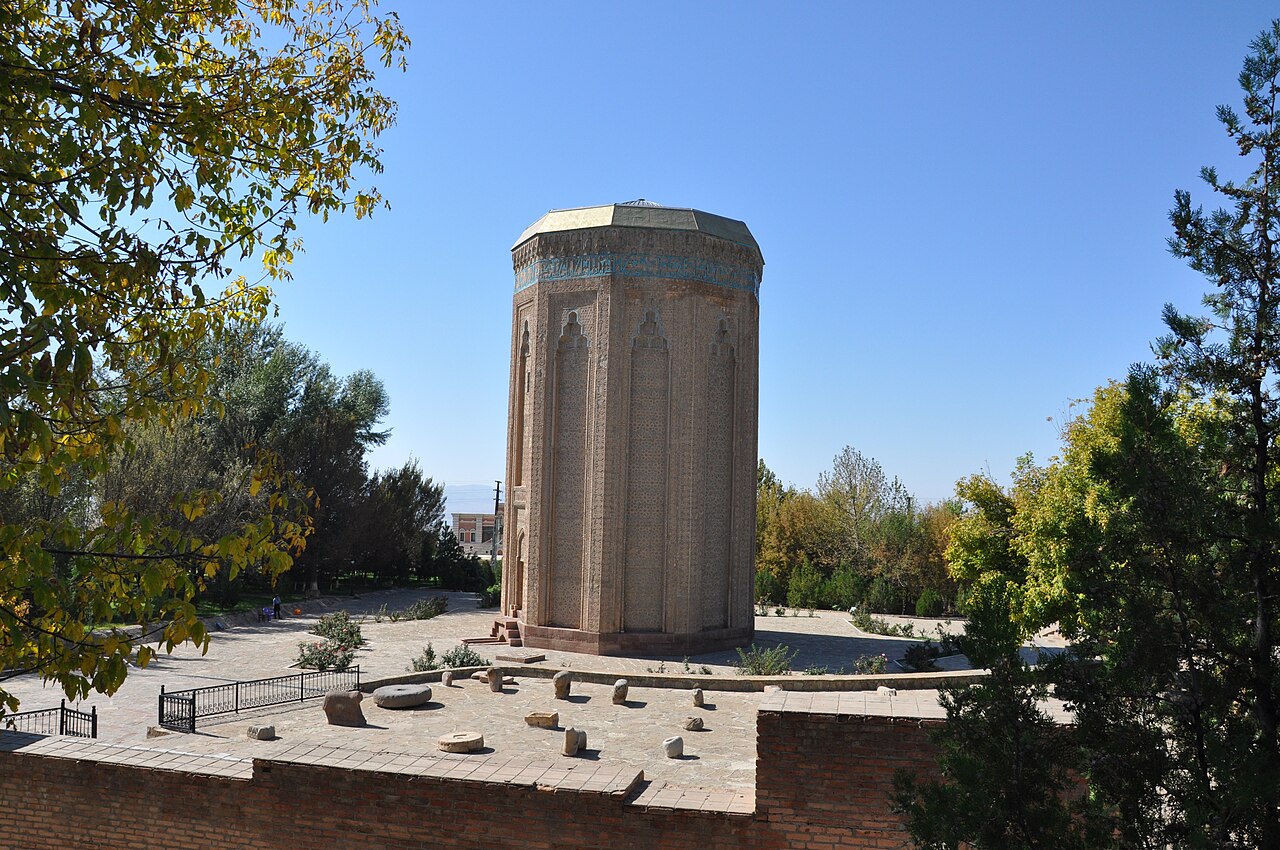
Mumine Hatun Mausoleum: Architect Acemi's Firuze Glazed Octagonal Tower
The monumental tower erected in 1186 by Atabeg Muhammed Cihan Pehlivan for his mother Mumine Hatun, designed by Architect Acemi Nahcivanli, stands as a masterpiece of Islamic architecture with its octagonal brick body, lapis lazuli-glazed kufic inscriptions, and ribbed vaulted crypt.
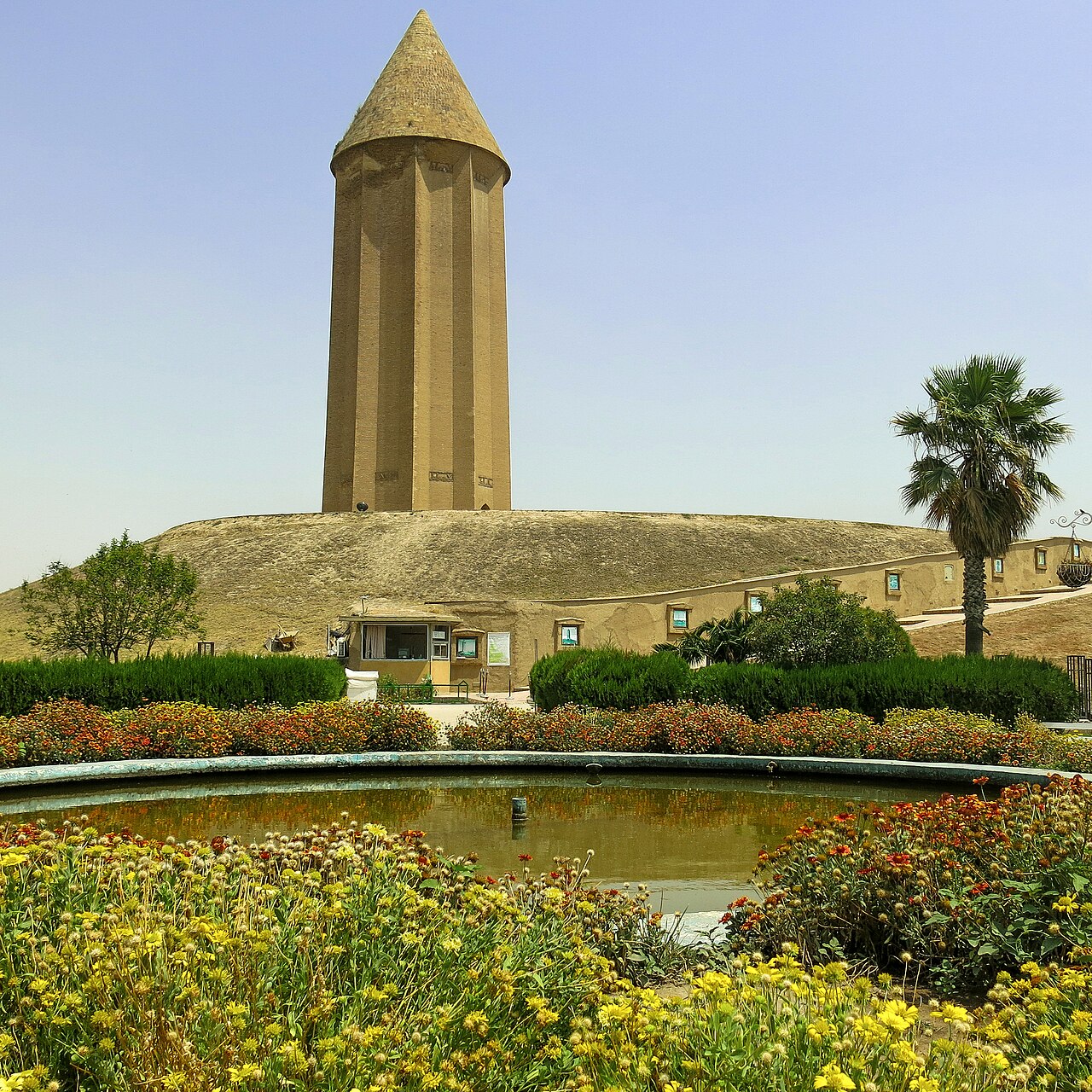
A Thousand-Year-Old Brick Monument: Kümbed-i Kābûs in Gonbad-e Kavus
The world's tallest brick mausoleum, constructed by Ziyarid ruler Şemsü'l-Meâlî Kābûs b. Veşmgîr between 1006-1007, featuring a ten-pointed star-plan body and dual-calendar kufic inscriptions.
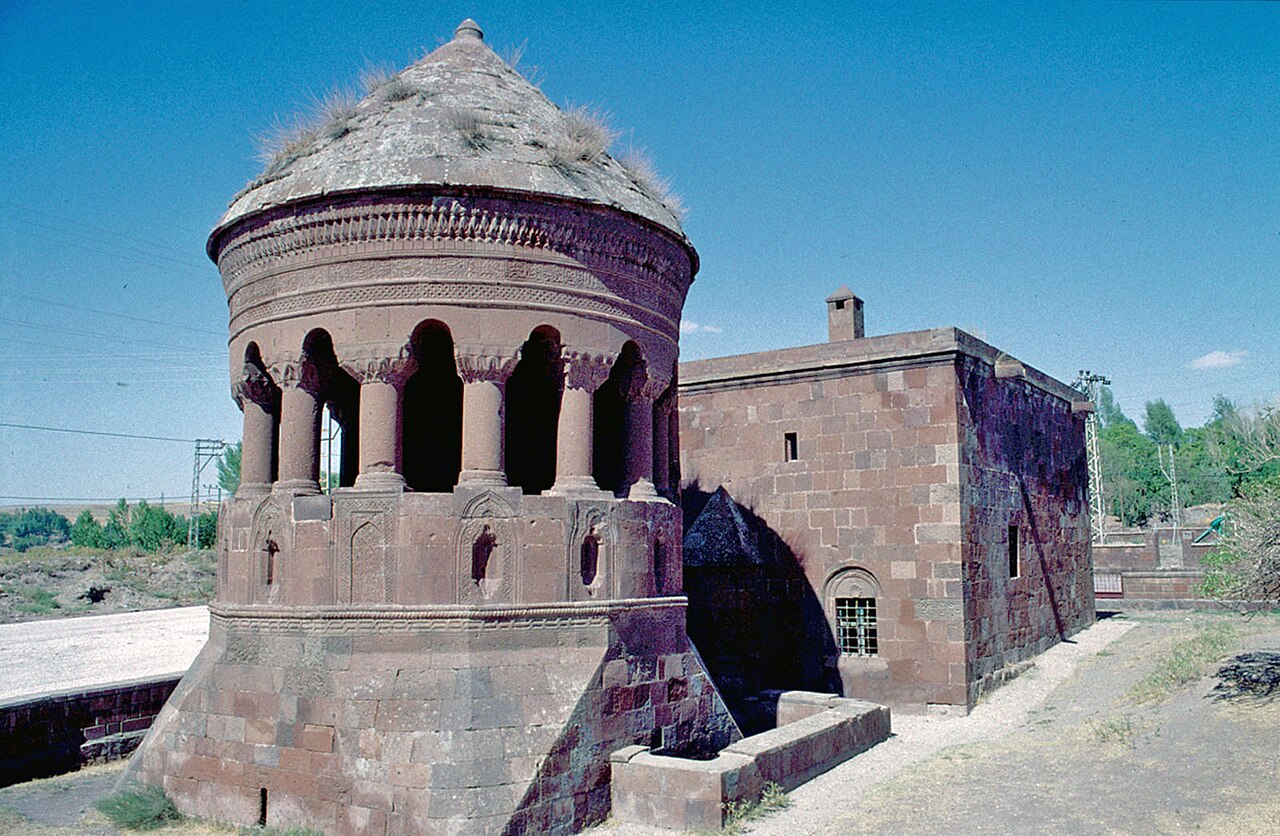
Emir Bayındır Tomb: The Fingered Monument of the Akkoyunlu with its Pillared Gallery
Built in 1481 in Ahlat, Bitlis, Emir Bayındır Tomb is a masterpiece of Akkoyunlu funerary architecture, characterized by its eight-pillared open gallery enveloping the body, conical stone dome, mummery chamber, and masterfully crafted stonework attributed to Baba Can.
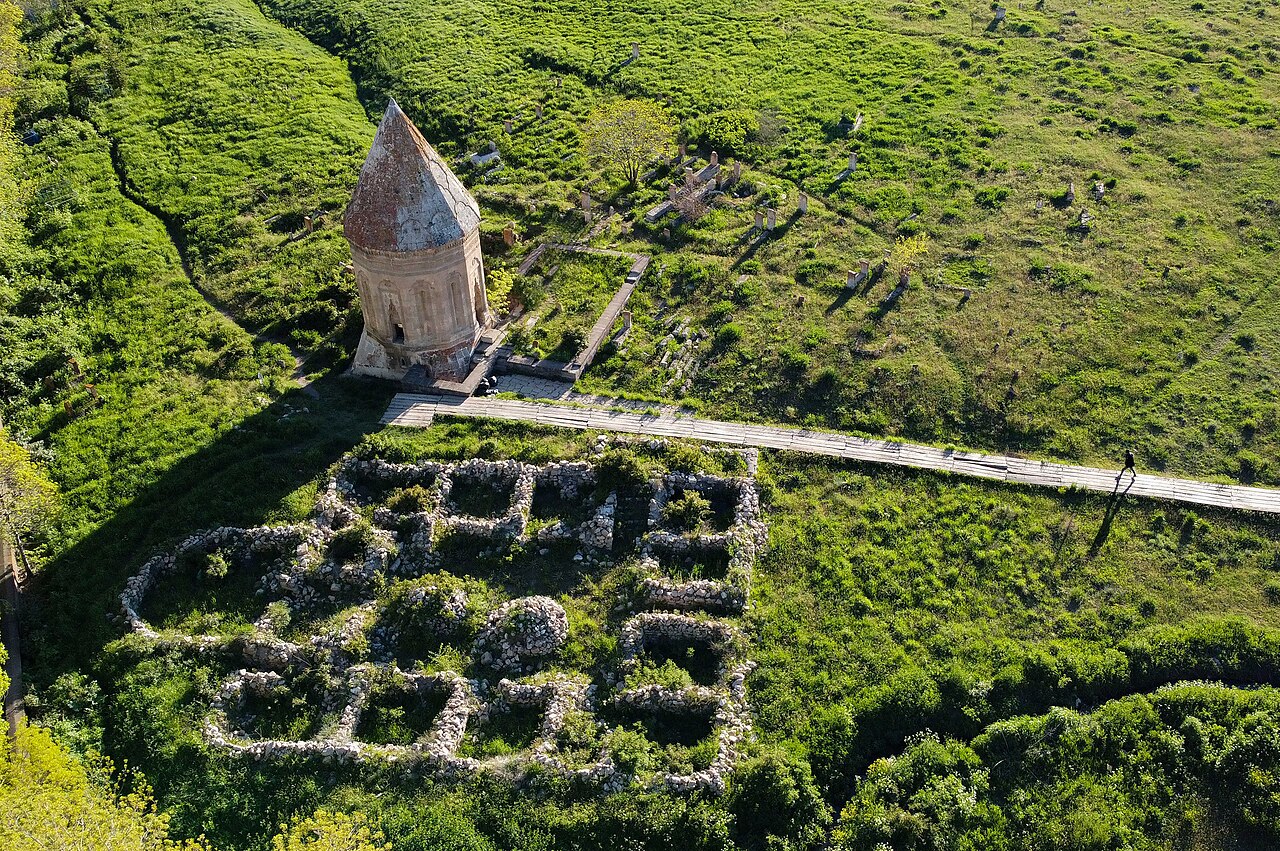
The Tomb of Halime Hatun in Gevaş: A Masterpiece by Ahlatli Master Esed on the Shore of Lake Van
Constructed in 1335 by Melik İzzeddin Şîr for his daughter Halime Hatun, this tomb in Gevaş is a pinnacle of Eastern Anatolian monumental funerary architecture. It features a dodecagonal body, conical dome, scallop-edged pendentives, and stone ornamentation signed by Ahlatli Mimar Esed.
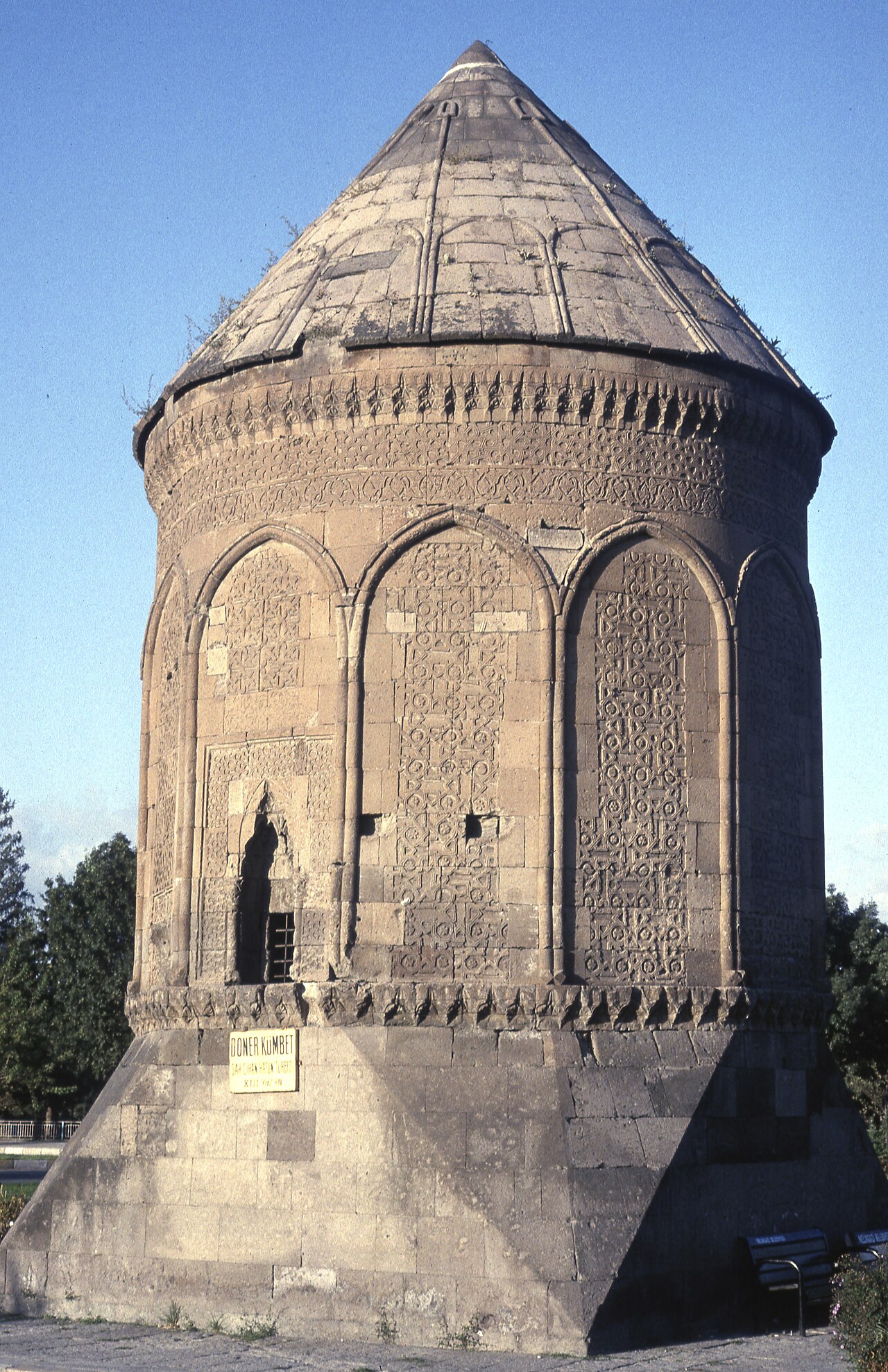
Kayseri Döner Kümbet: Şah Cihan Hatun's Monumental Seljuk Mausoleum
The 14th-century Döner Kümbet in Kayseri Melikgazi, rising along the Talas Road, is a masterpiece of Anatolian Seljuk funerary architecture, characterized by its dodecagonal body, conical stone dome, human-headed sphinxes, tree of life motif, and double-headed eagle reliefs.
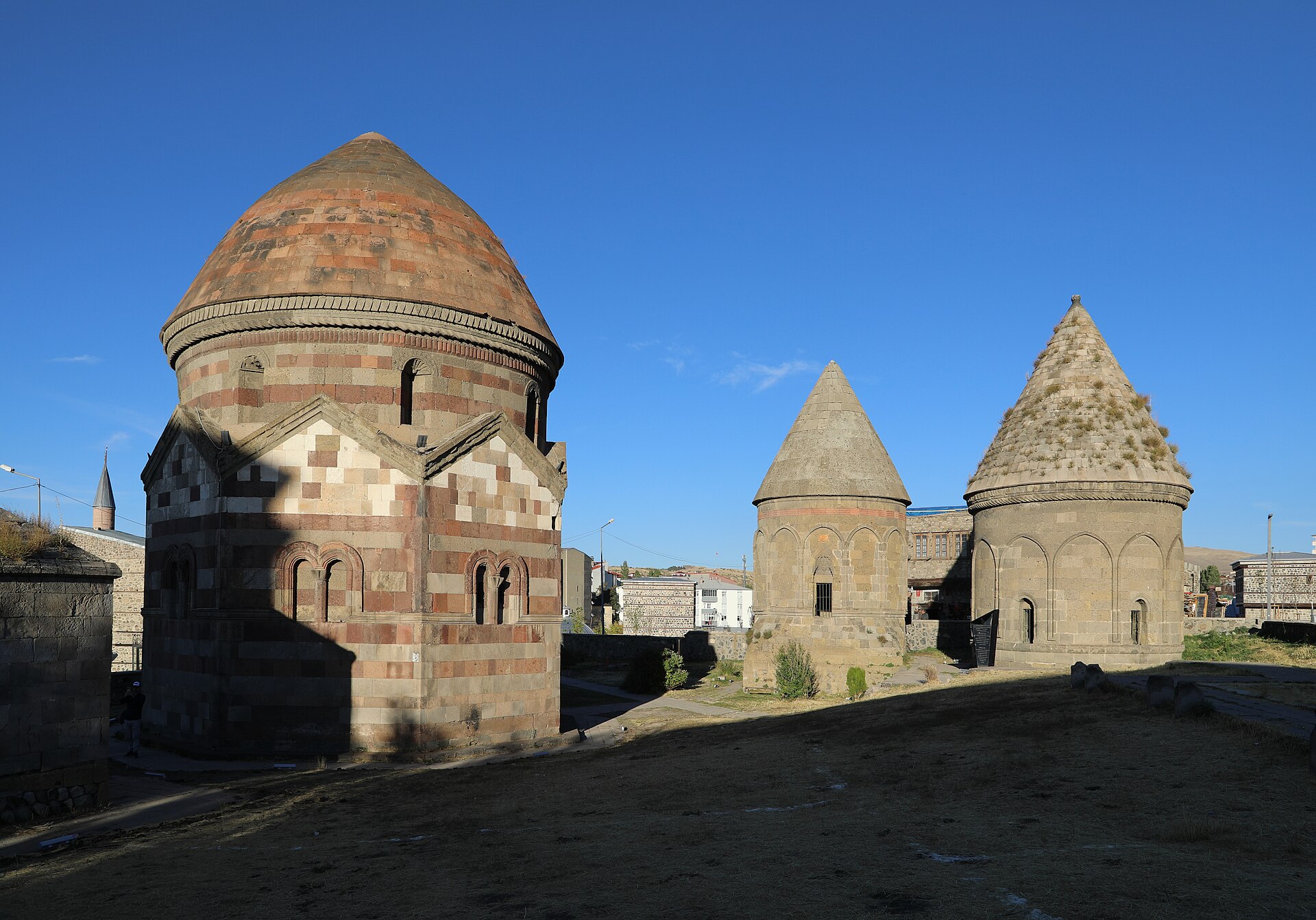
Erzurum Three Tombs: Emir Saltuk's Twin Serpent and Two-Colored Stone Monument
Rising to the south of Erzurum's Double Minaret Madrasa, the Three Tombs consist of the 12th-century two-colored tomb of Emir Saltuk, featuring twin serpent and griffin reliefs on its drum, along with twelve anonymous tombs and crypts, forming one of Anatolia's oldest open-air mausoleums in funerary architecture.
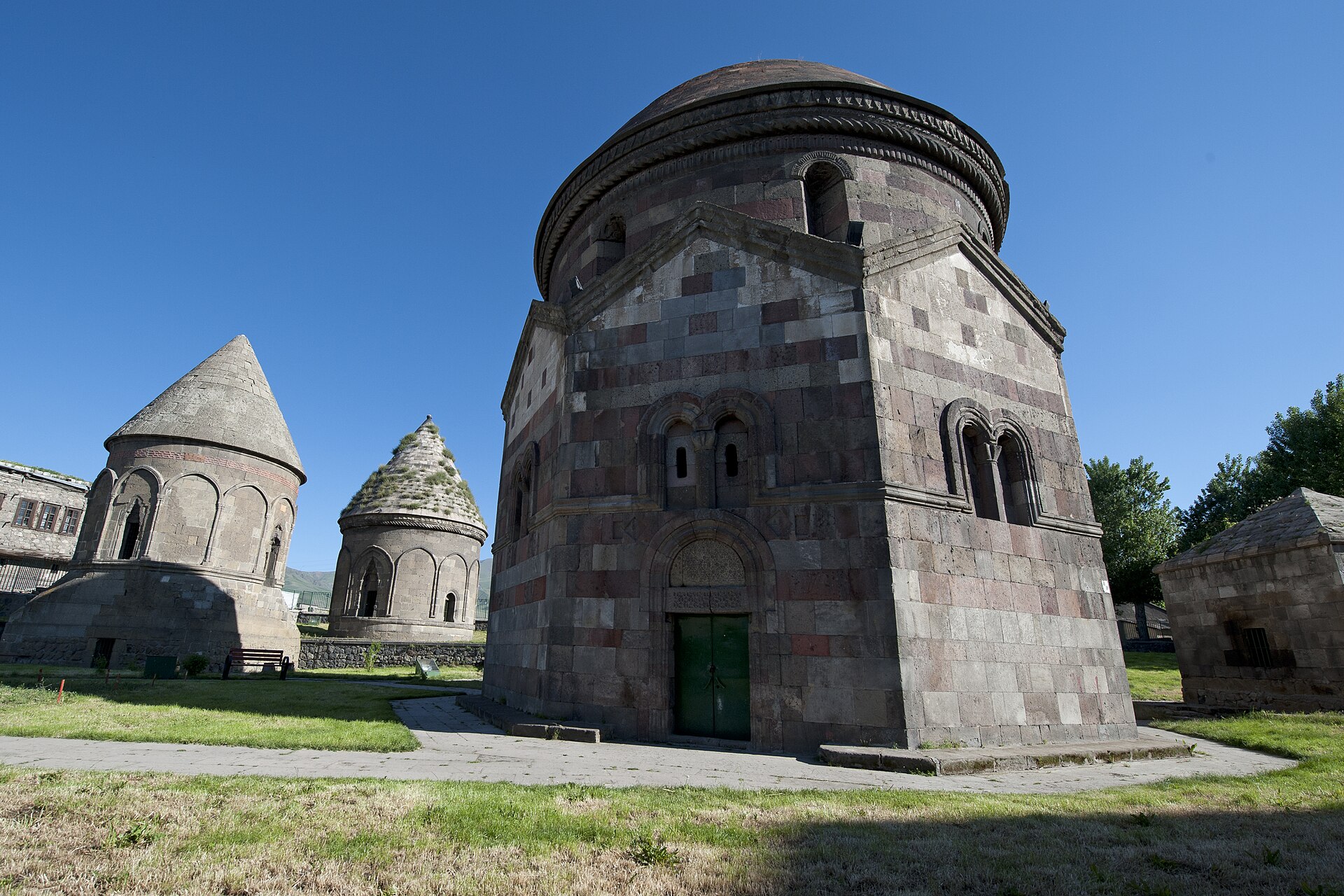
Reading from the Body: Tombs (Kümbet)
What is a tomb (kümbet), how does it differ from a mausoleum (türbe), how did the tradition spread from Iran to Anatolia, and what should one observe when examining a kümbet—from base to dome? A general guide for reading the kümbet tradition.
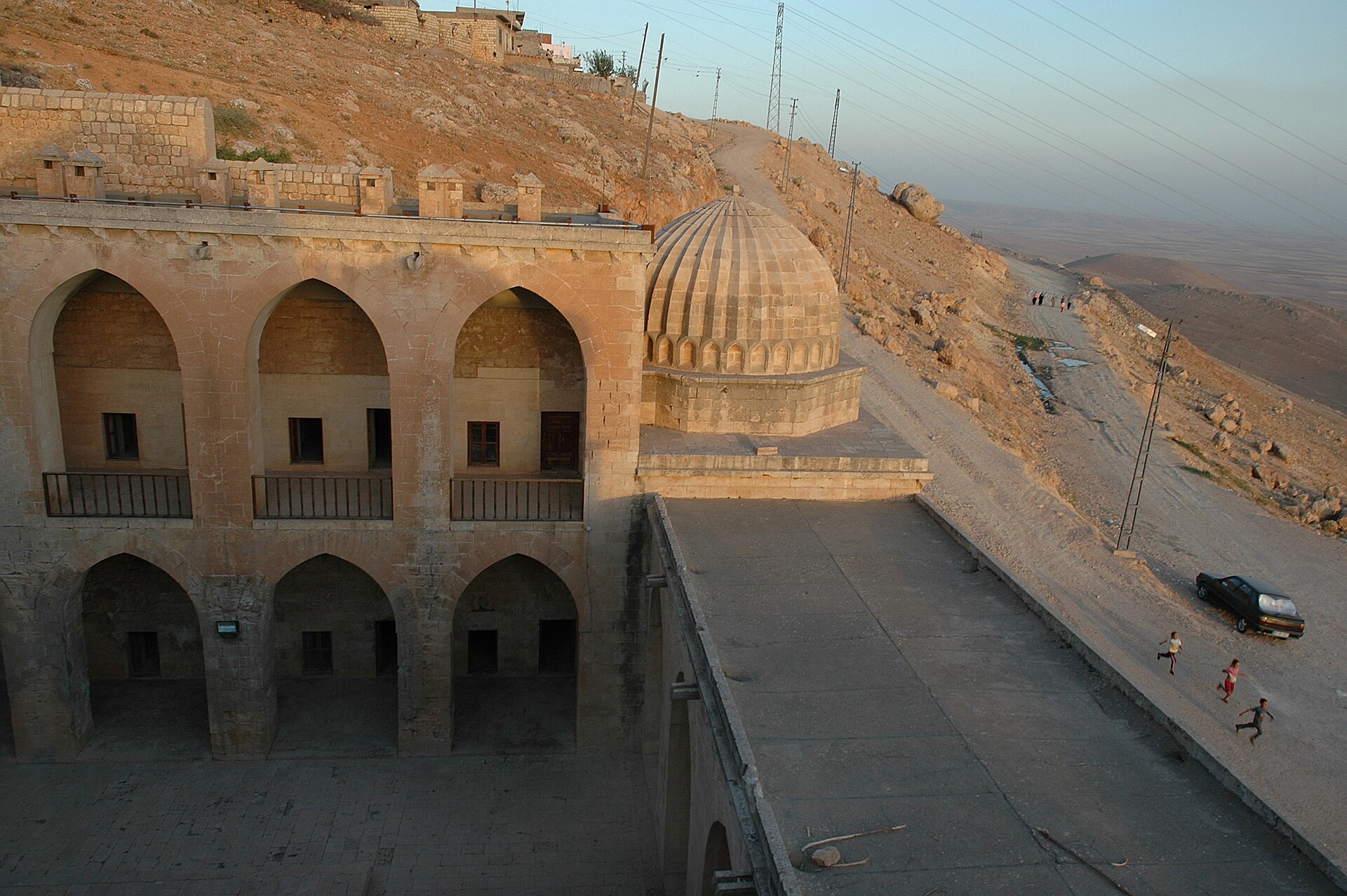
A Medrese Facing the Mesopotamian Plain: Kasımiye in Mardin
The Kasımiye Medrese, located on a slope overlooking the Mesopotamian plain in southwest Mardin: The plan, courtyard, tomb chamber, and uncertainties in dating of this structure initiated during the Artuqid period and completed during the Akkoyunlu era.
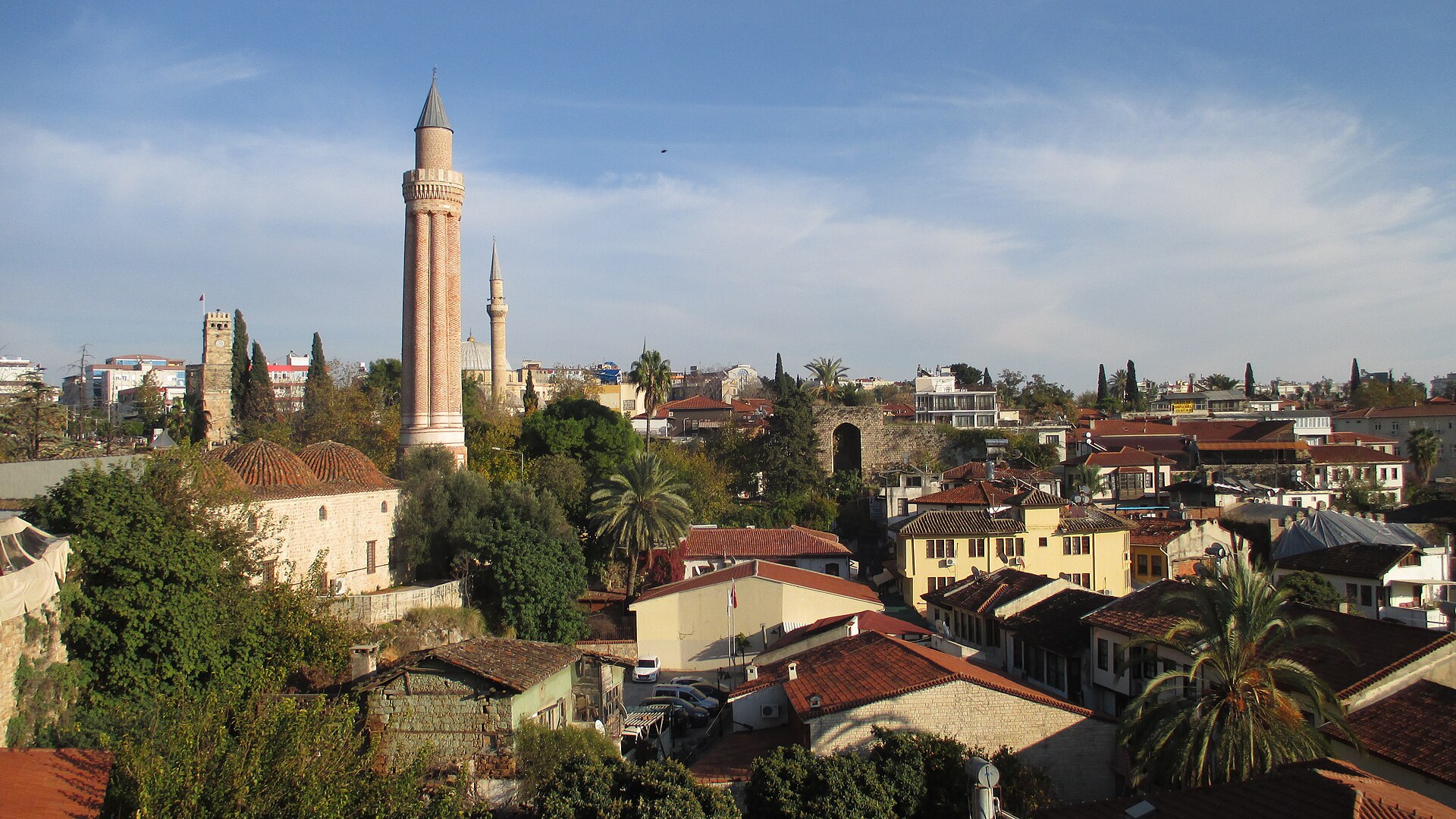
Nine Days in Antalya: Turkey Cultural Route Festival
The Turkey Cultural Route Festival, held in Antalya from 31 October to 8 November 2026 at Türkan Şoray Culture Center, Haşim İşcan Culture Center, and the city's cultural venues, featuring exhibitions, ballet, opera, and concerts.
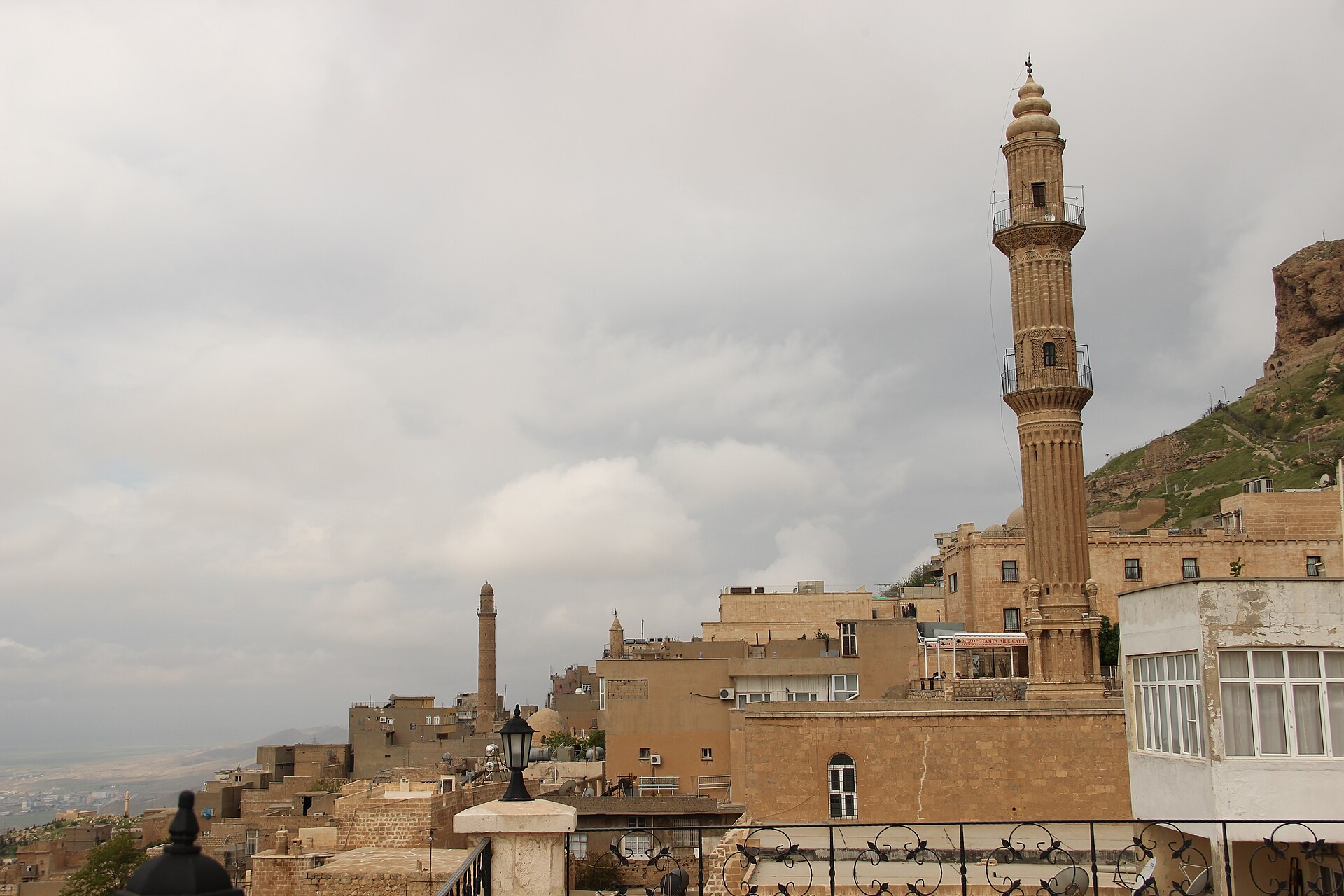
Nine Days in Mardin: Turkey Cultural Route Festival
The Turkey Cultural Route Festival took place in Mardin from 17–25 October 2026, featuring exhibitions, theater performances, and concerts at the Mardin Museum, Sakıp Sabancı Mardin City Museum, and the city's historic spaces.
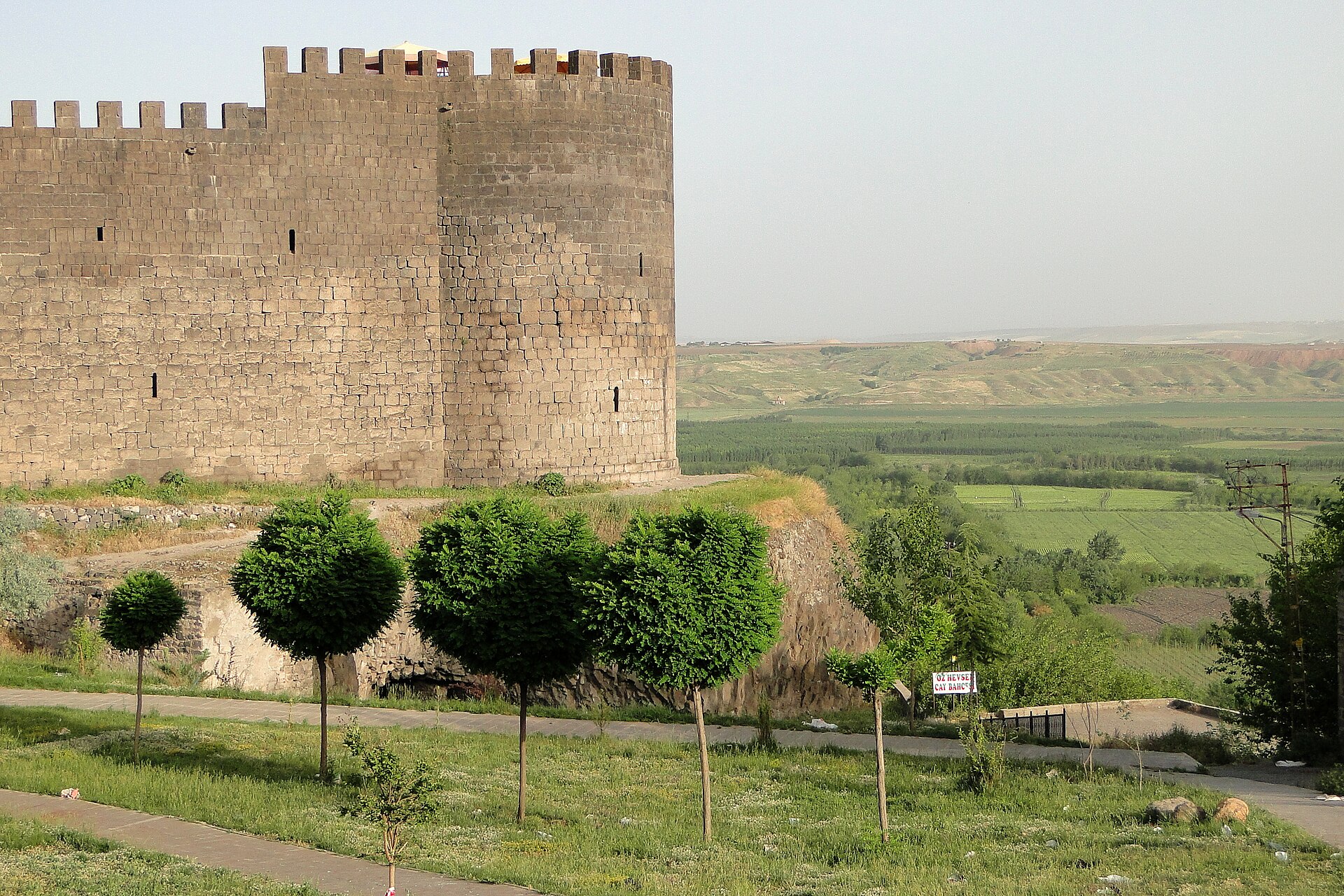
Nine Days in Diyarbakir: The Turkey Cultural Route Festival
The 22nd stop of the Turkey Cultural Route Festival in Diyarbakır, held from October 10–18, 2026 at the Archaeology Museum, Paşa Hamamı, and the city's cultural venues, features exhibitions, workshops, talks, and local cuisine programs.
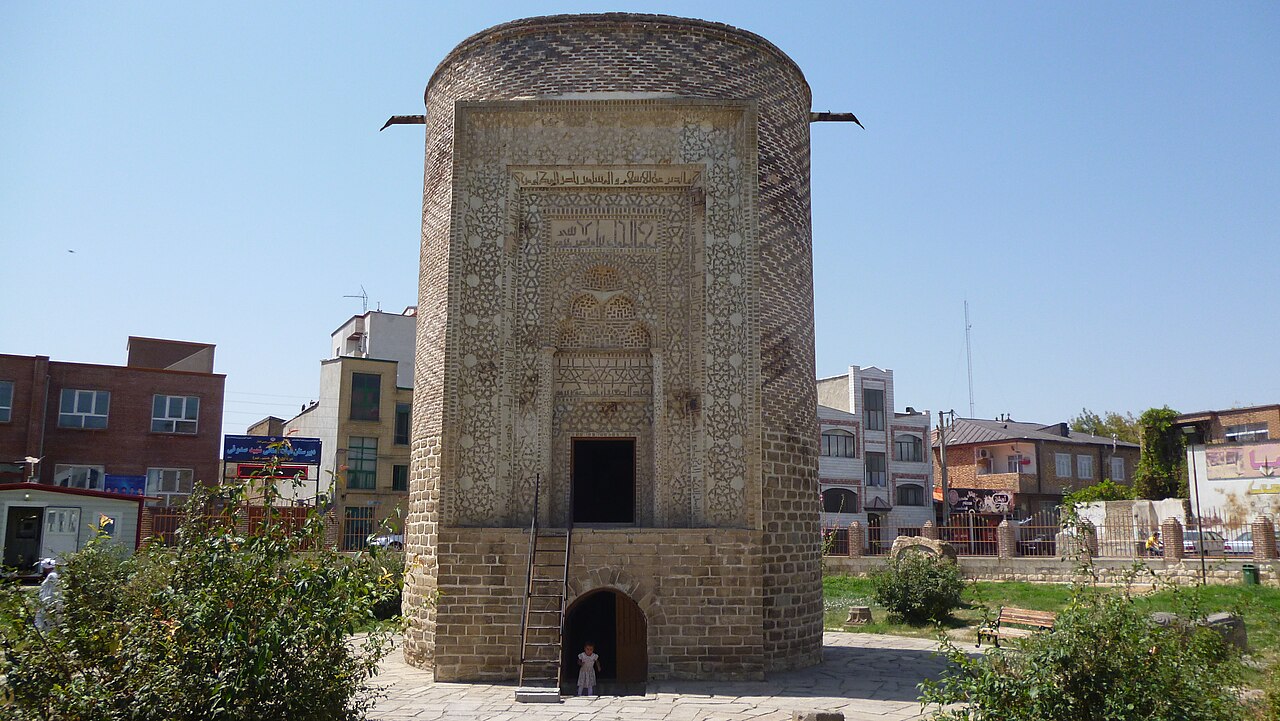
Urmiye Three-Dome Tomb: Seljuk Kufic-Inscribed Cylindrical Tower Mausoleum
The Üç Günbed (Three-Dome) Tomb in Urmiye, Iran, constructed in 1184 by Architect Abû Mansûr b. Mûsâ on behalf of Seljuk Emir Şîşkat el-Muzafferî, exemplifies Seljuk funerary architecture through its cut stone base, cylindrical brick tower, muqarnas corbelled portal, and Kufic inscriptions.