
Summary
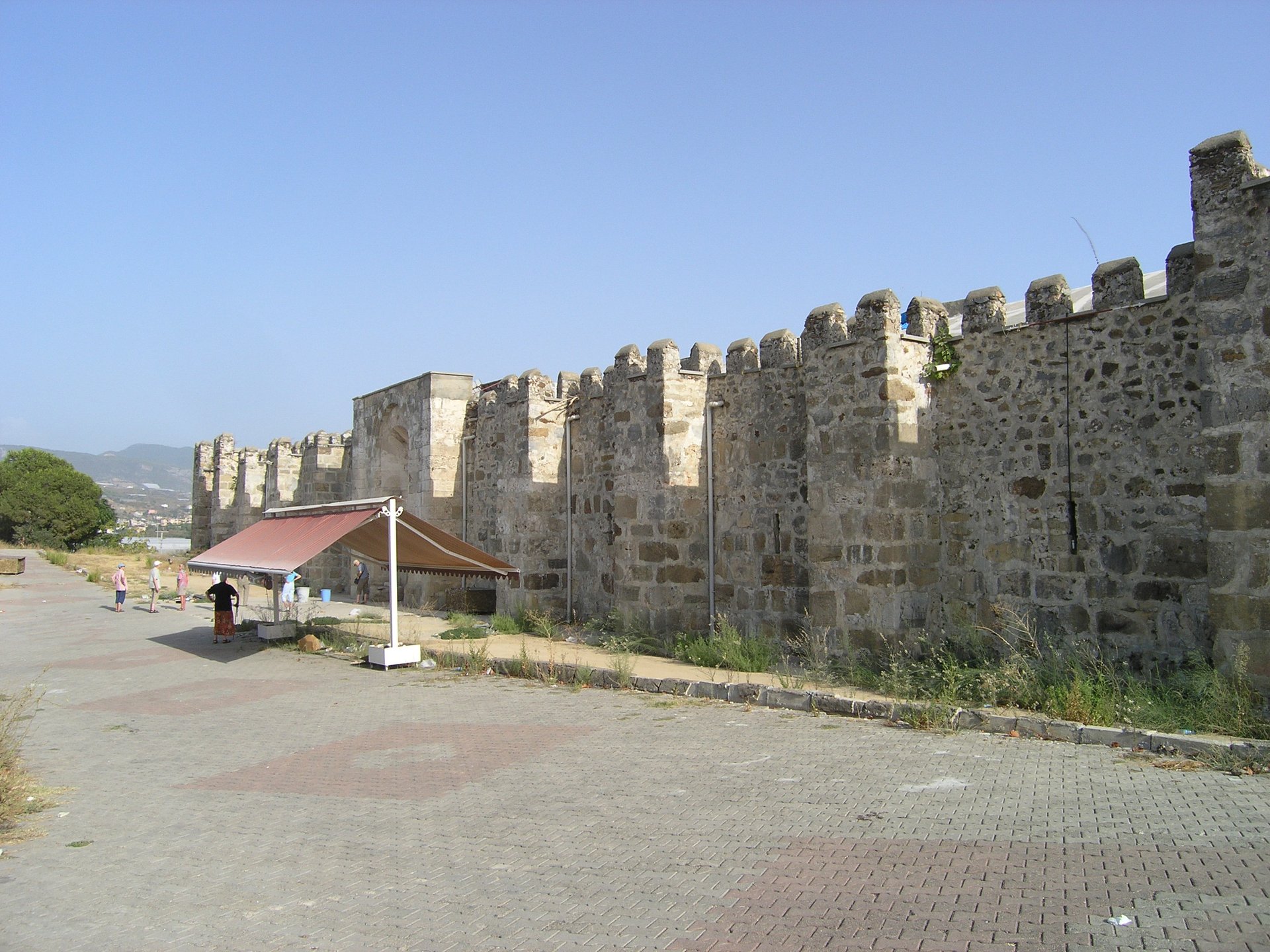
- What is it? A rare example of a coastal menzil and ribat from the early 13th century, constructed under Sultan II. Gıyâseddin Keyhusrev (1237-1246) with its single-aisled, elongated pointed barrel vault plan, lacking an inner courtyard [1], [2], [3].
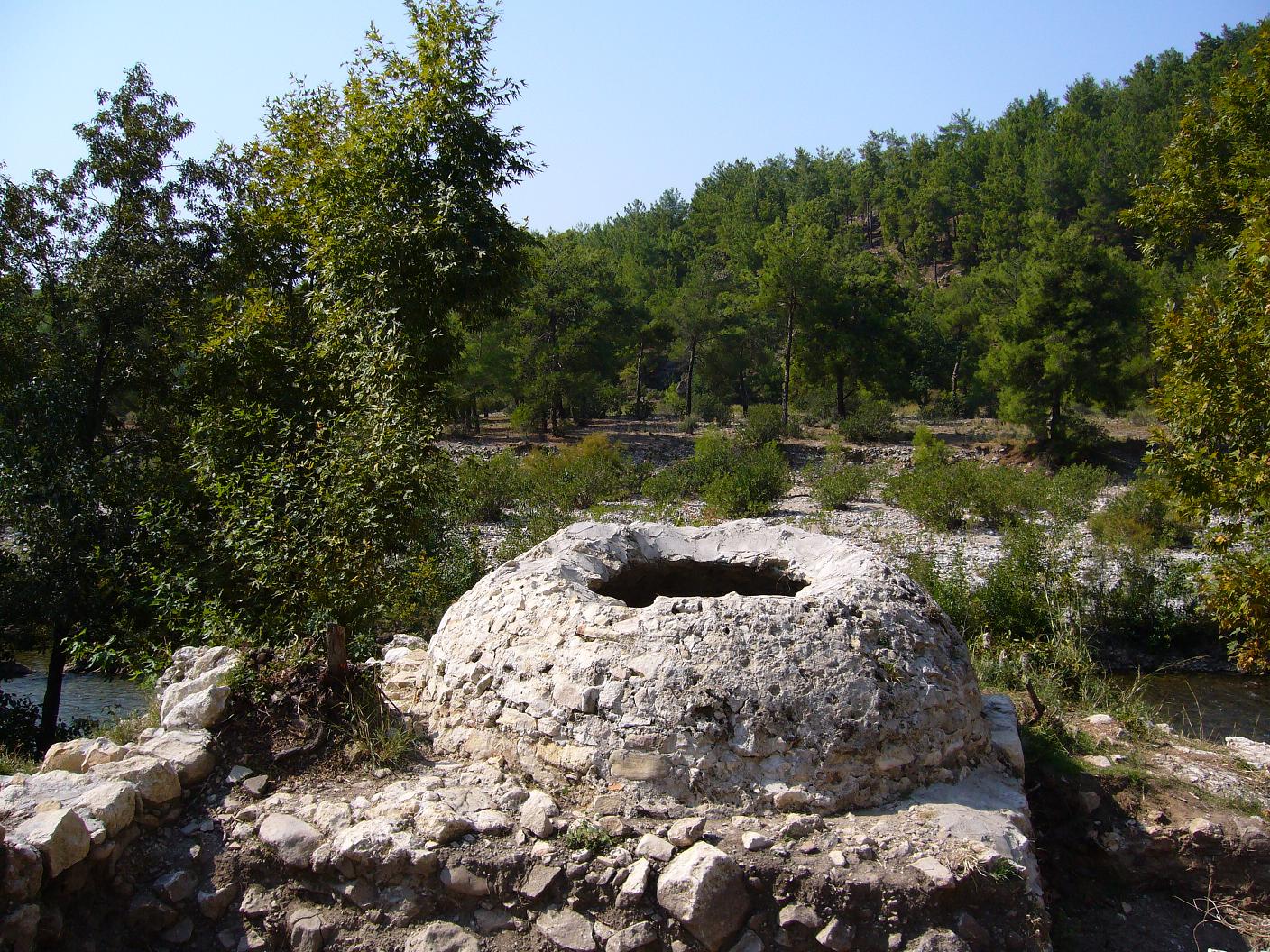
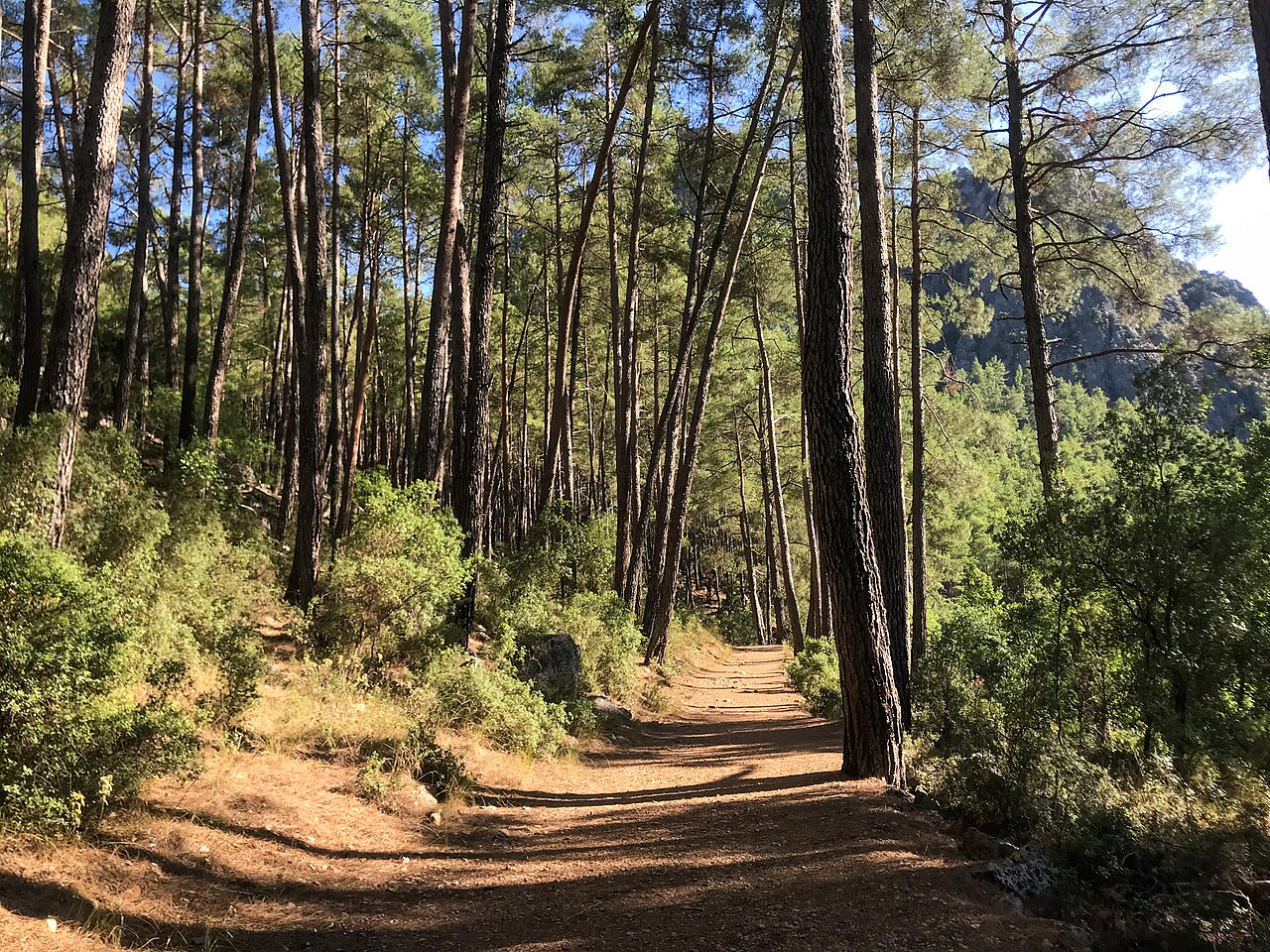
- Where is it located? Situated in Konaklı Mahallesi, Alanya district, Antalya province, along the historical coastal caravan route and on a commanding elevation adjacent to Serapsu Creek [2], [3].
- Architectural Features: Its narrow, elongated single-volume structure (approx. 15 x 71 meters), semi-circular and polygonal defensive bastions enclosing the façade, two-tiered mosque tower at the eastern end, and monumental portal with epigraphic band convey a fortress-like character [1], [2].
- Builder and History: Inscribed on the northern portal, it was constructed during Sultan II. Gıyâseddin Keyhusrev’s reign (1237-1246); scholarly research links its construction to the sultan’s chief wine steward Esededdin Ayaz [2], [3].
- Current Condition: Restored by the General Directorate of Foundations, it remains one of the most characteristic surviving Seljuk monuments along the Mediterranean coastal road, preserved for its massive stone walls and tower [1], [2].
Historical Context and Route: The Mediterranean Coastal Road
The refounding of Kalonoros (renamed “Alâiye”) by Sultan I. Alâeddin Keykubad in 1221 as a winter capital initiated an unprecedented urbanization process along the Mediterranean coast [2], [3]. The coastal route connecting Antalya and Alanya harbors became a strategic artery for military convoys, Eastern Mediterranean trade caravans, and Seljuk armies [1], [2].
Along this coastline, menzils were sequentially established from Alanya Castle westward. Following the Alara Han at Alara Castle, Sarapsa Han (popularly known as Şerefza or Serapsu Han) functioned as a coastal outpost and menzil station fortified against pirate raids and bandits [2], [3]. The structure served both as a secure overnight shelter for caravans and as an advanced surveillance post (ribat) monitoring the coastal strip [1], [3].
Builder and Inscription: Sultan II. Gıyâseddin Keyhusrev and the Title “Şarabsâlâr”
A monumental entrance portal on the northern façade bears a Seljuk sülüs script inscription carved into marble [2], [3]. While the inscription cites Sultan II. Gıyâseddin Keyhusrev’s regnal titles, no specific year is recorded [2].
Historical sources and studies of Seljuk administrative organization reveal that the structure derives its name from the court title “şarabsâlâr” (chief wine steward), held by Esededdin Ayaz during the reigns of Sultan I. Alâeddin Keykubad and II. Gıyâseddin Keyhusrev [3]. The latter is widely accepted as directly involved in the construction of this menzil han [2], [3]. Some phrases in the inscription’s final lines, later erased, are interpreted as reflecting political turmoil and the builder’s decline during the period [3].
Architectural Typology: A Single-Vaulted Ribat without an Inner Courtyard
While typical Seljuk caravanserais feature a two-part plan with a large courtyard and enclosed winter hall, Sarapsa Han deviates entirely from this norm with its unique typology [1], [2]. Classified by Rahmi Hüseyin Ünal as part of the “single-volume menzils without courtyards” category, it comprises a single elongated chamber extending east-west [1].
The structure measures approximately 15 meters in width and 71 meters in length [2]. This vast interior space is covered by a single pointed barrel vault, segmented into sections via reinforced keystones [1], [2]. No niches or intermediate partitions exist; the uninterrupted ground floor functioned as a continuous hall accommodating caravans, their goods, and traders under one roof [1], [3]. The massive vaulting provided thermal insulation against Mediterranean storms in winter and scorching coastal heat in summer [2].
Watchtower, Upper Mosque, and Towers
The most distinctive architectural feature distinguishing Sarapsa Han from its Seljuk contemporaries is the two-tiered monumental tower attached to the eastern end [2], [3]. The upper level functions as an elevated mosque (kiosk mosque), directly accessible via a portal opening onto the northern façade [2].
The prayer niche (mihrab) within the mosque is modestly sized, while the tower’s windows offer strategic vantage points over both the sea and coastal road [2], [3]. The lower section of the tower served as a tabhane (guesthouse) for the caravanserai administrator and hosting distinguished visitors [2].
The façades resemble those of a medieval fortress. Semi-circular and polygonal stone bastions spaced along the north and south walls counteract lateral thrust from the vault, imparting a fortified appearance to the structure [1], [2].
Materials, Stone Craftsmanship, and Portal Arrangement
The load-bearing walls employ locally sourced hard limestone blocks, roughly hewn stones, and reused antique fragments bonded with mortar [2], [3]. Decorative concerns were secondary to defensive durability in façade design [1].
The central portal on the northern façade constitutes the sole ornamental focus of the structure [2]. A protruding cut-stone portal niche is framed by tiered pointed arches, while the marble inscription above the door lintel serves as the architectural focal point [2], [3]. Narrow mazgal openings in the upper wall sections provided controlled daylighting and facilitated defensive archery [1], [2].
Functional Transformation and Contemporary Heritage
During the medieval period, Sarapsa Han functioned as a secure refuge for Mediterranean caravan traffic and Seljuk military units. However, it lost its menzil function during the Ottoman era due to the shift of coastal transport to maritime routes [2], [3]. Over time, the structure was repurposed as storage and shelter but suffered periodic damage [2].
Registered by the General Directorate of Foundations in the Republic period, the site has been recently restored through meticulous rölöve and conservation efforts [2], [3]. The vault’s waterproofing was renewed, façade bastions and portal were cleaned and reinforced [2]. Today, Sarapsa Han stands as a unique example of Seljuk caravanserai engineering on the Alanya-Antalya highway, distinguished by its single-volume plan, defensive towers, and mosque tower [1], [2], [3].
References
- [1] Rahmi Hüseyin Ünal, “Kervansaray”, TDV İslâm Ansiklopedisi, vol. 25, pp. 299-306, 2002. https://islamansiklopedisi.org.tr/kervansaray
- [2] Semavi Eyice, “Alanya (Mimari)”, TDV İslâm Ansiklopedisi, vol. 2, pp. 343-346, 1989. https://islamansiklopedisi.org.tr/alanya
- [3] İlhan Erdem, Mustafa Akif Hacıgökmen, “Ortaçağ Anadolu Ticaret Yolları ve Kervansaraylar”, Tarih Araştırmaları Dergisi (TARR), vol. 38, no. 66, pp. 145-170, 2019. https://dergipark.org.tr/tr/pub/tarr/article/644055
Konum
Harita: © OpenStreetMap katkıcıları. Haritada büyüt · Google Haritalar · Apple Haritalar
İşaret yaklaşık konumu gösterir; kesin konum için yerel kaynaklara bakın.
This article is compiled from scholarly monographs and official architectural inventories. Please verify site access conditions, visiting hours, and ongoing conservation status via official heritage authorities prior to visiting.