
Overview
- What? A Seljuk caravanserai built in the 13th century (a large stone building commissioned by the Seljuk State for accommodation and trade on long journeys).
- Where? In the Bucak district of Burdur Province, at the İncirönü site, on the Antalya‑Eğridir road.
- Why is it important? Its architectural details, stone marks and sultanic symbols bear the imprint of the Seljuk trade network.
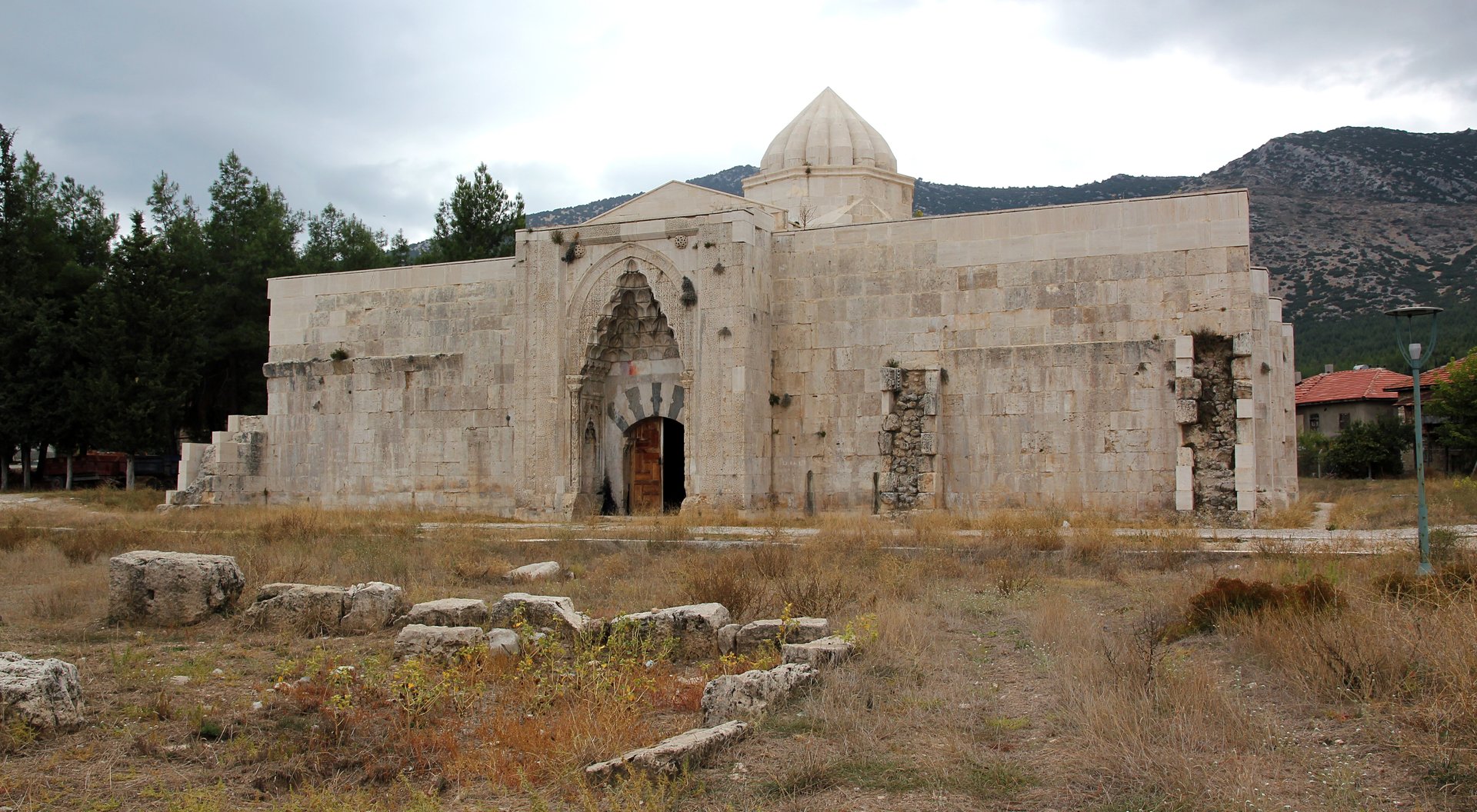
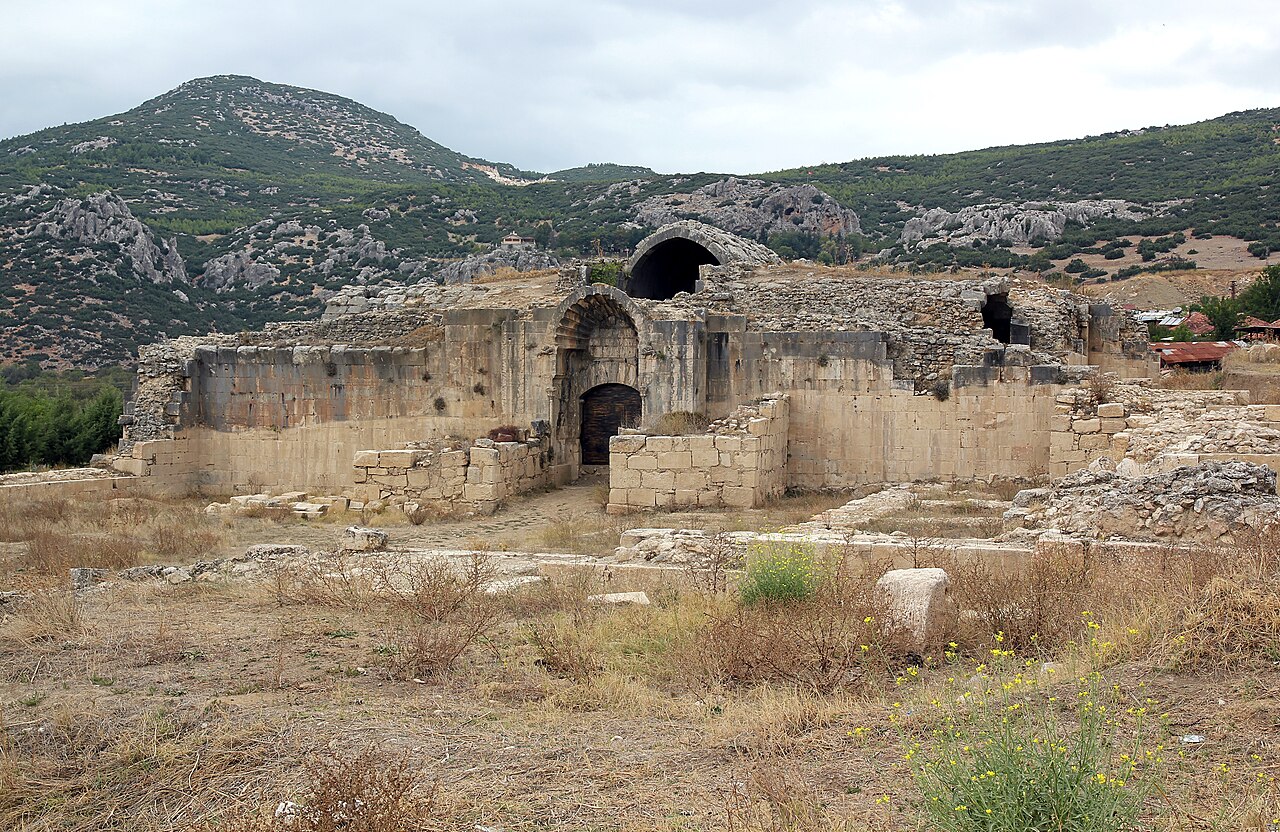
Incir Han is one of the caravanserais that adorned the commercial routes of the Anatolian Seljuk period. It rose in the 13th century near the village of İncirönü, Bucak, on the Antalya‑Burdur road. The building served as a resting and trading point for long journeys. Its still‑standing enclosed section today awaits history enthusiasts.
The han was erected by order of Sultan II Gıyâseddin Kaykhusraw in 636 AH (1238‑39 CE). At first glance, its stone walls, ornate crown gate (the large, often arched and decorated entrance portal) and the stone marks embedded within reveal the mastery of Seljuk architecture [1][3].
Where is it?
Incir Han is situated at the İncirönü site in the Bucak district of Burdur Province. The structure lies on the Antalya‑Eğridir caravan route, occupying the fourth stop after the Evdir, Kırkgöz and Susuz hans [2]. It takes its name from the nearby village of Incirdere, located about three kilometres to the north‑west [3]. The surrounding area is rural and mountainous, offering a strategic position in a terrain where travel was demanding.
History
Incir Han was commissioned by the Anatolian Seljuk Sultan II Gıyâseddin Kaykhusraw in 636 AH (1238‑39 CE) [1][3]. As part of the Seljuk commercial network, the han was placed on the Antalya‑Eğridir road, an important caravan corridor linking the Mediterranean coast with the interior [2].
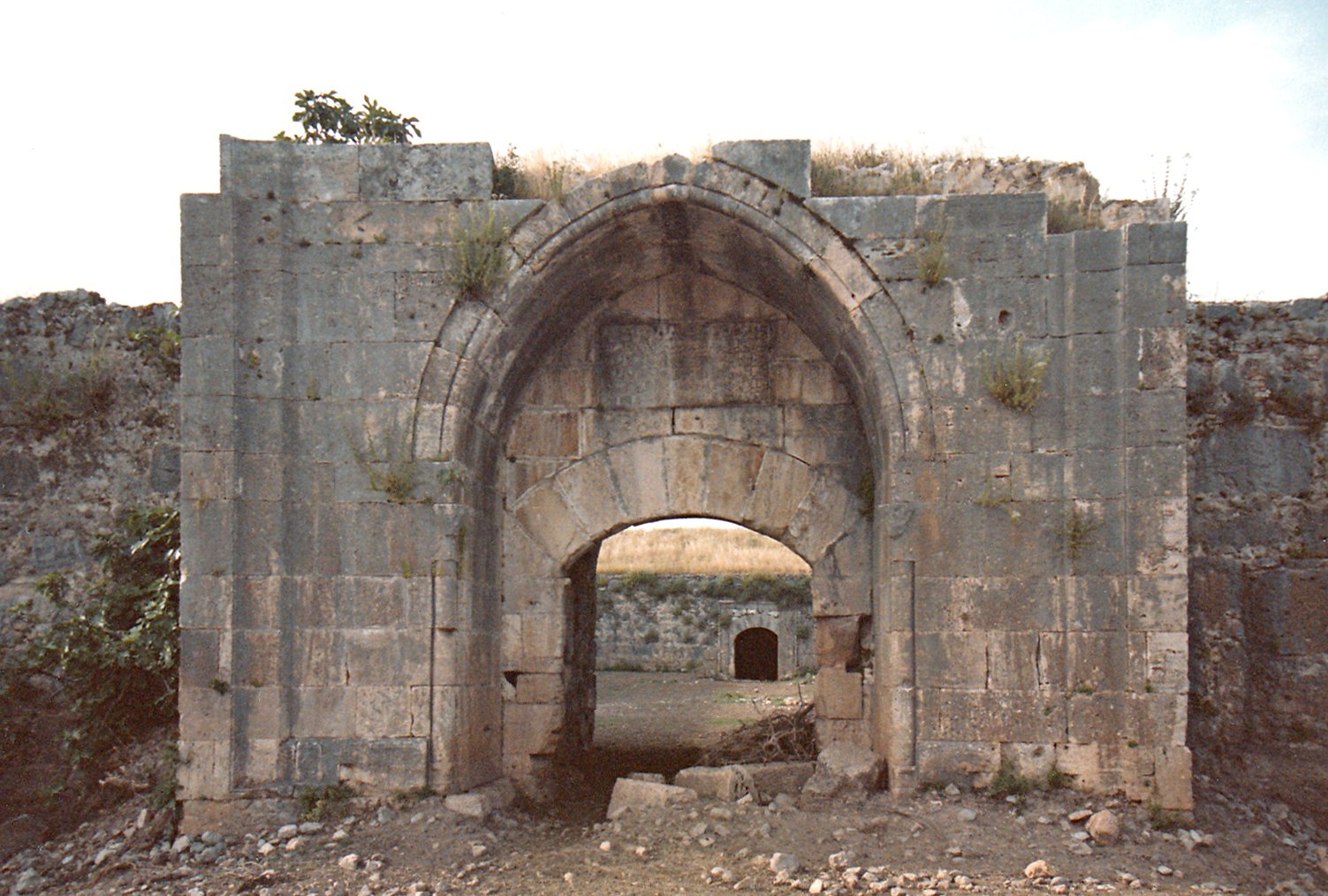
Excavation and cleaning campaigns were carried out by the Burdur Museum Directorate in 1992, 1993, 2000, 2013 and 2014. These works demonstrated that the enclosed part was completed in 1238‑39, while the courtyard remained unfinished [2]. Portions of the courtyard walls have survived to the present, but the existence of a revak (a corridor embedded within the walls) is still under investigation. Recent excavations by Rahmi Hüseyin Ünal aim to shed light on this question [1].
What does it look like?
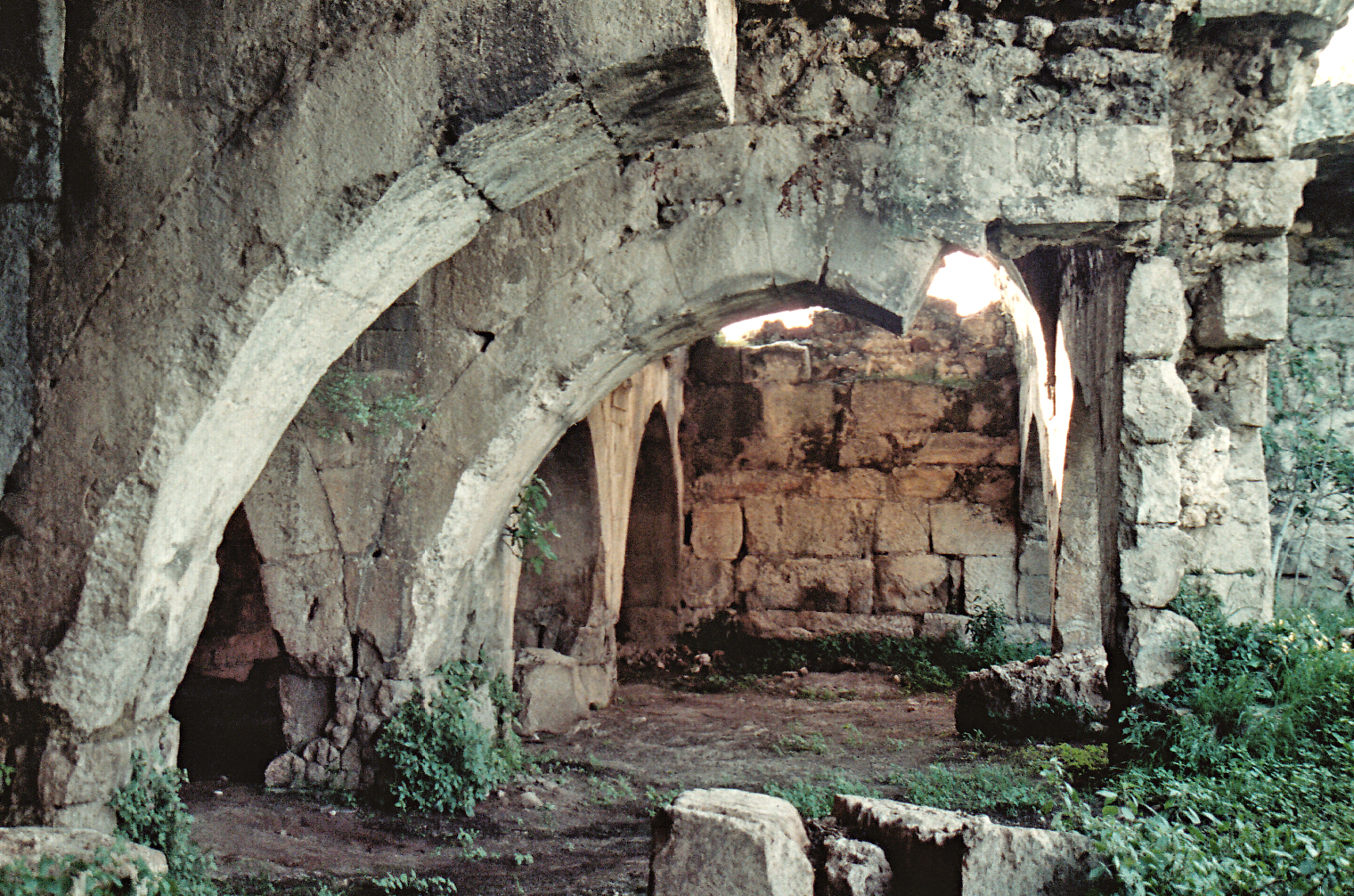
The enclosed section of Incir Han measures roughly 30 × 42 metres, and its outer walls are reinforced by eight stone buttresses (large stone columns that support the wall) [1]. Within the walls are twenty‑four massive piers (large stone blocks stacked and linked by arches). These piers support vaults through pointed arches.
Inside the wall, seven transverse aisles (broad corridors running horizontally that connect rooms) are formed [1]. A vertical aisle aligns with the main entrance; side aisles cut across its length, and a dome is likely situated at the centre of the main aisle [1].
Fifteen masonry windows (narrow openings set within a framed recess in the wall) admit light and air into the interior [1].
The outward‑projecting crown gate at the centre of the southern façade is covered by a recessed, narrowing oyster‑shell arch (an arch that tapers inward, resembling an oyster shell). Its upper part is ruined, and decorative borders have been added to both sides [1].
At the two ends of the moulded border that frames the gate’s arch, opposing lion reliefs appear;
Konum
Harita: © OpenStreetMap katkıcıları. Haritada büyüt · Google Haritalar · Apple Haritalar
İşaret yaklaşık konumu gösterir; kesin konum için yerel kaynaklara bakın.
This article is compiled from scholarly monographs and official architectural inventories. Please verify site access conditions, visiting hours, and ongoing conservation status via official heritage authorities prior to visiting.