
Publication Date: October 2026
Overview
- What: A historic, fortified medieval city that has been inhabited since the Late Chalcolithic—the Copper Age dating back approximately five thousand years from the present day [2].
- Where: Situated in the Northeast Anatolia Region [2], forty-five kilometers east of the provincial center of Kars and along the banks of the Arpaçay River [2].
- Why it matters: Considered the Seljuks’ first city in Anatolia, this settlement is also historically known as the city of one thousand and one churches [3].
According to sources, Ani is a multi-layered historic settlement with a past spanning thousands of years [2]. Forming a strategic gateway between the Caucasus and Anatolia, this ancient city sits at the precise crossroads of historical trade and transit routes [2].
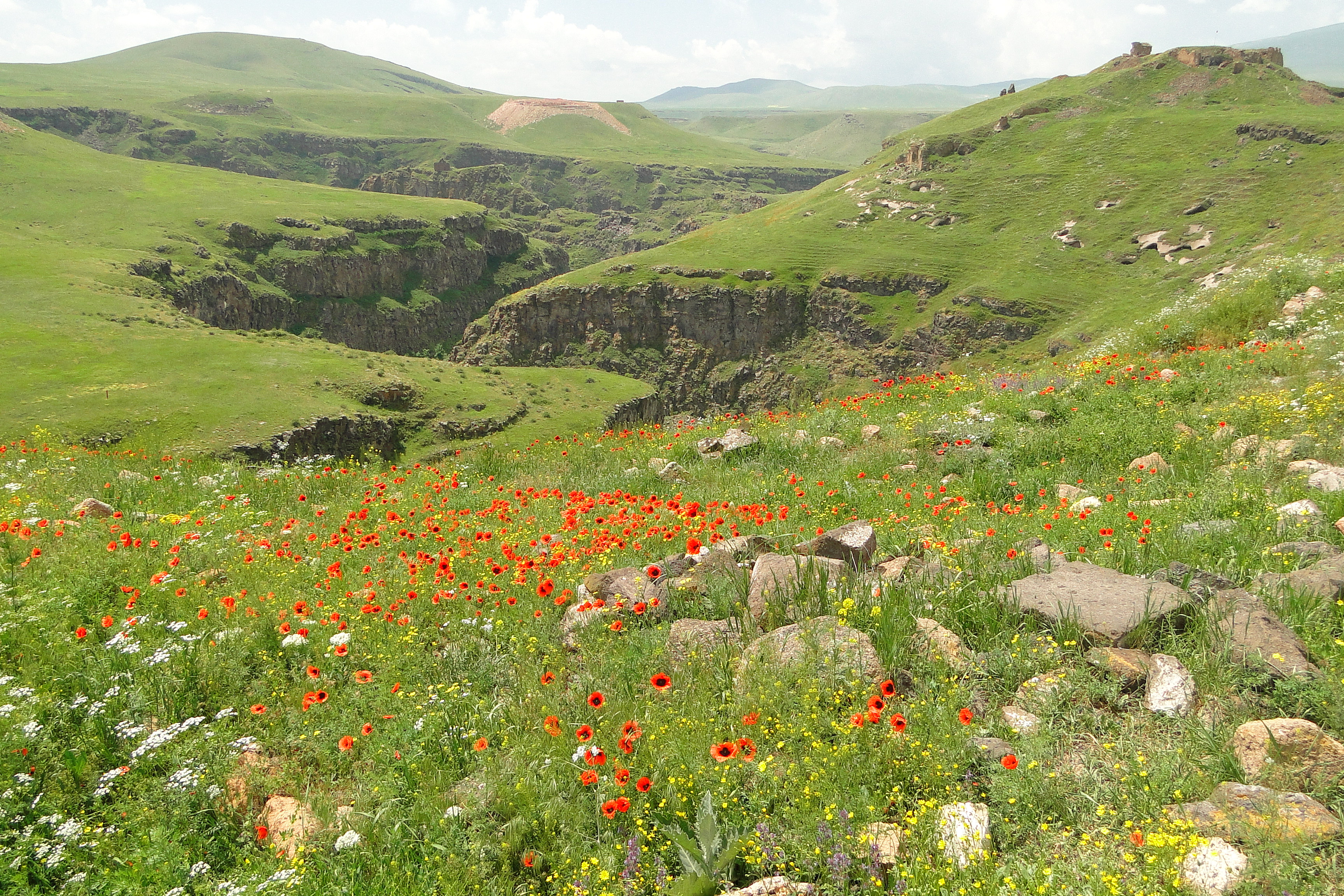
The city was established amidst deep riverbeds that enclose three of its sides [2]. This geographical layout provided the settlement with a natural defensive shield [2]. Throughout history, armies advancing toward these fertile lands confronted a defensive line that proved formidable and exceptionally difficult to overcome [2].
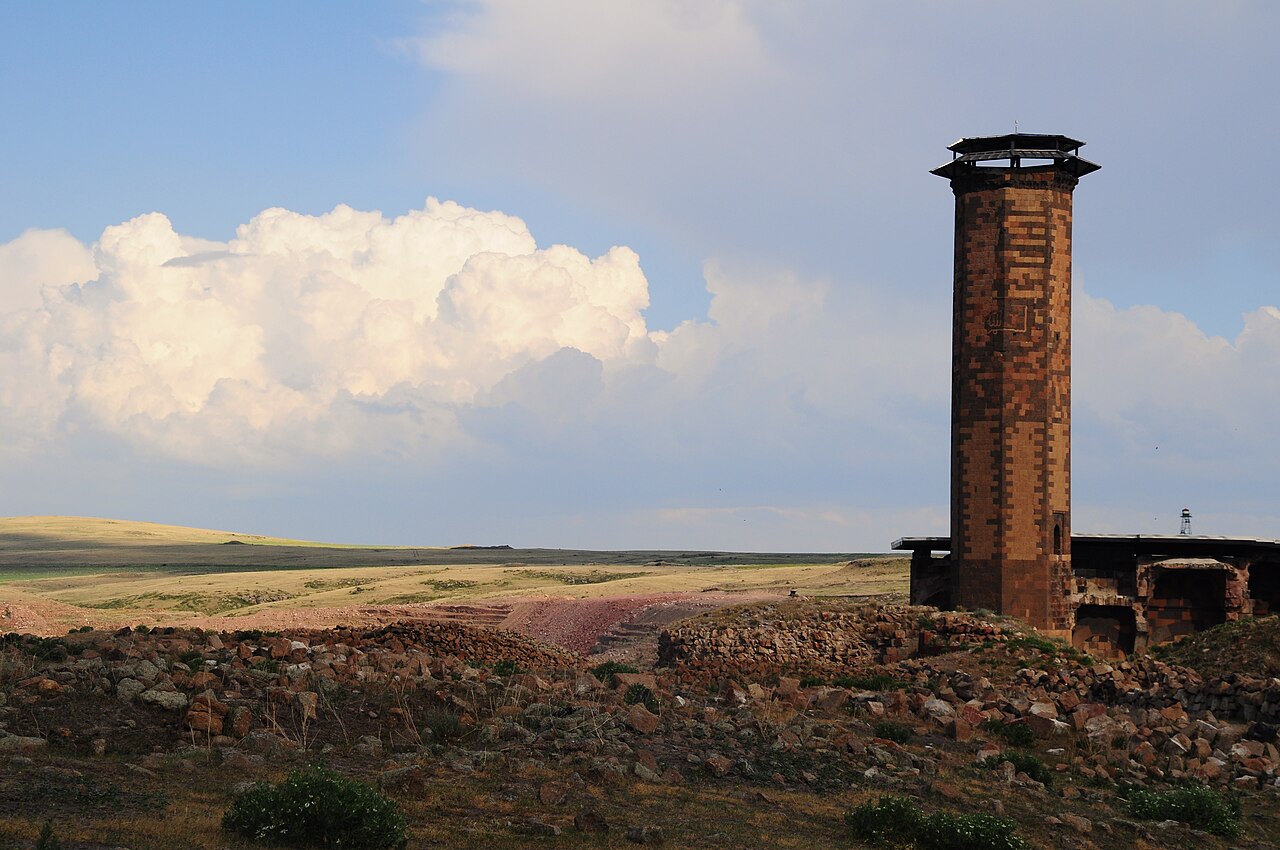
Today, it is regarded as one of Turkey’s most compelling archaeological open-air sites [3]. Monumental edifices erected by diverse civilizations carry the rich traces of antiquity into the present day [3].
Where is it?
The Archaeological Site of Ani is located in the Northeast Anatolia Region [2]. It lies 45 kilometers east of the city center of Kars [2]. The historical settlement is situated on rugged, rocky terrain along the banks of the flowing Arpaçay River [2]. According to data compiled by researchers, the total area across which the city extends reaches an expansive expanse of approximately 100 hectares [2]. The defensive walls enclosing the perimeter of the settlement stretch for nearly 5 kilometers [2].
Flanked on three sides by deep river canyons, this terrain formed an unparalleled natural defensive shield for the city [2]. The city occupied a vital transit point linking Central Asia to Western Asia—spanning the broader geographic expanse that encompasses Anatolia and the Caucasus [2]. This vantage continually heightened the city’s geopolitical prominence across successive eras [2]. Serving as the primary gateway from the Caucasus into Anatolian lands rendered the settlement a perpetual strategic prize [2]. Owing to this advantageous and critical position, the city became a recurring target of sieges and invasions throughout history [2]. In contrast, the steep river canyons encircling the settlement largely prevented encroaching armies from penetrating directly into the city [2].
In classical encyclopedic registers and scholarly indices, regional demonyms derived from the name of the city—such as “al-Anī”, signifying “one from Ani”—are documented [1]. Furthermore, entries in the relevant encyclopedic records list 150 different thematic entries directly connected with the subject of Ani [1].
History & Origins
Archaeological evidence indicates that the earliest vestiges of human habitation in Ani trace back to the Late Chalcolithic period [2]. Dating to approximately five thousand years before our era, this period witnessed the emergence of copper metallurgy alongside traditional stone implements [2]. Indeed, in light of findings unearthed by researchers, the city’s heritage spans an established history of 5,000 years [2].
The settlement experienced its initial golden age of prosperity under the Bagratuni Dynasty, which established sovereignty over the region [2]. During this era, Bagratuni rulers carefully balanced regional geopolitical interests [2]. Accordingly, they navigated allegiances between the Islamic caliphates and the Byzantine Empire [2]. It was under the auspices of this dynasty that the settlement evolved into both a preeminent political capital and an ecclesiastical center [2]. The extensive array of churches and chapels erected during this flourishing epoch came to constitute the urban core of the city [2]. From the 10th century through the 13th century, the city was acclaimed as the most dazzling jewel of the Armenian kingdom [3].
The Byzantines were unable to conquer this heavily fortified city directly on the battlefield due to its formidable defensive perimeters [2]. Consequently, they were compelled to resort to stratagems and diplomatic intrigue to take possession of it [2]. Historical chronicles record that Sultan Alp Arslan was the sole commander who succeeded in taking the city of Ani through direct military conquest [2]. In 1064, Sultan Alp Arslan launched a major military expedition known as the “Gaza of Rum” [2]. The sovereign’s son, Malik-Shah, personally took part in this historic campaign [2]. In addition, the empire’s celebrated grand vizier, Nizam al-Mulk, accompanied the monarch [2]. Advancing into Anatolia, the Great Seljuk army laid siege to Ani behind its imposing ramparts [2]. Following a fierce confrontation lasting approximately one month and marked by intense combat, the fortress succumbed [2]. Ani was formally captured with a decisive Turkish victory in August 1064 [2].
Following this milestone conquest, which resonated profoundly across the medieval world, the contemporary Abbasid Caliph conferred a distinguished title upon the sultan [2]. This honor bestowed upon Sultan Alp Arslan by the Caliph was the venerable epithet signifying the “Father of Conquests” [2]. Thus, Ani earned the distinction of becoming the first city conquered by the Great Seljuk Empire within the geography of Anatolia [2].
The interval between 1064 and 1199 marked the second era of resurgence and prosperity in the city’s annals [2]. When Great Seljuk administration drew to a close in 1199, governance of the city was transferred to the Kingdom of Georgia [2]. With the advent of Georgian rule, an extended period of decline and gradual decay unfortunately commenced for the settlement [2]. Historical chronicles explicitly record that Georgian administrators were unable to establish enduring peace and order within the city [2]. The internal instability that plagued the settlement culminated in the catastrophic Mongol invasion of 1239 [2]. Progressively losing its vitality over the ensuing decades, urban life in the city had dwindled almost entirely by the 15th century [3]. The city was ultimately abandoned, and its monumental fabric suffered gradual decay [3].
The Ottoman Empire’s formal presence and authority over Ani began in 1534 [2]. However, the Ottoman administration prioritized the strategic fortress of Kars and its regional center over Ani [2]. As commercial trade routes shifted decisively toward Kars, the remaining populace of Ani naturally migrated there as well [2]. The catastrophic earthquake of 1664 dealt a devastating blow to what remained of the urban center [2]. Following this severe seismic destruction, Ani was never able to regain its former splendor or vitality [2].
The earliest scholarly surveys, excavations, and conservation initiatives at Ani commenced during the late Ottoman period [2]. The initial official efforts in this domain were recorded through preservation and documentation projects undertaken during the reign of Sultan Abdülmecid [2]. Comprehensive excavations across the site began following the Russian occupation in 1878 [2]. During this period, Nikolai Yakovlevich Marr, an orientalist and linguist affiliated with the Russian Academy of Sciences, conducted excavations across the site spanning a total of 14 years [2]. In 1910, Krikor Balakian, then a young clergyman, documented the city’s historic monuments in meticulous detail [3]. The travel accounts penned by the author constitute an indispensable historical record capturing the physical state of these monumental structures during that era [3].
Systematic archaeological investigations by Turkish scholars at the site commenced in 1944 [2]. In that year, archaeologist İsmail Kılıç Kökten carried out surface surveys and trial soundings throughout the city and its periphery [2]. Following an interlude, scholarly work at the site resumed in 1964 [2]. Sumerologist Kemal Balkan directed archaeological investigations here until 1967 [2].
The inaugural era of systematic excavations led by art historians began in 1989 under the direction of Beyhan Karamağaralı [2]. These meticulous, long-range scientific campaigns directed by Karamağaralı continued uninterrupted until 2005 [2]. The succeeding excavation campaign from 2006 to 2010 was overseen by Yaşar Çoruhlu [2]. Directorship of the excavations between 2011 and 2018 was subsequently entrusted to Fahriye Bayram [2]. Since 2019, archaeological excavations and preservation endeavors at Ani have been directed uninterruptedly by Muhammet Arslan [2].
Architectural Form
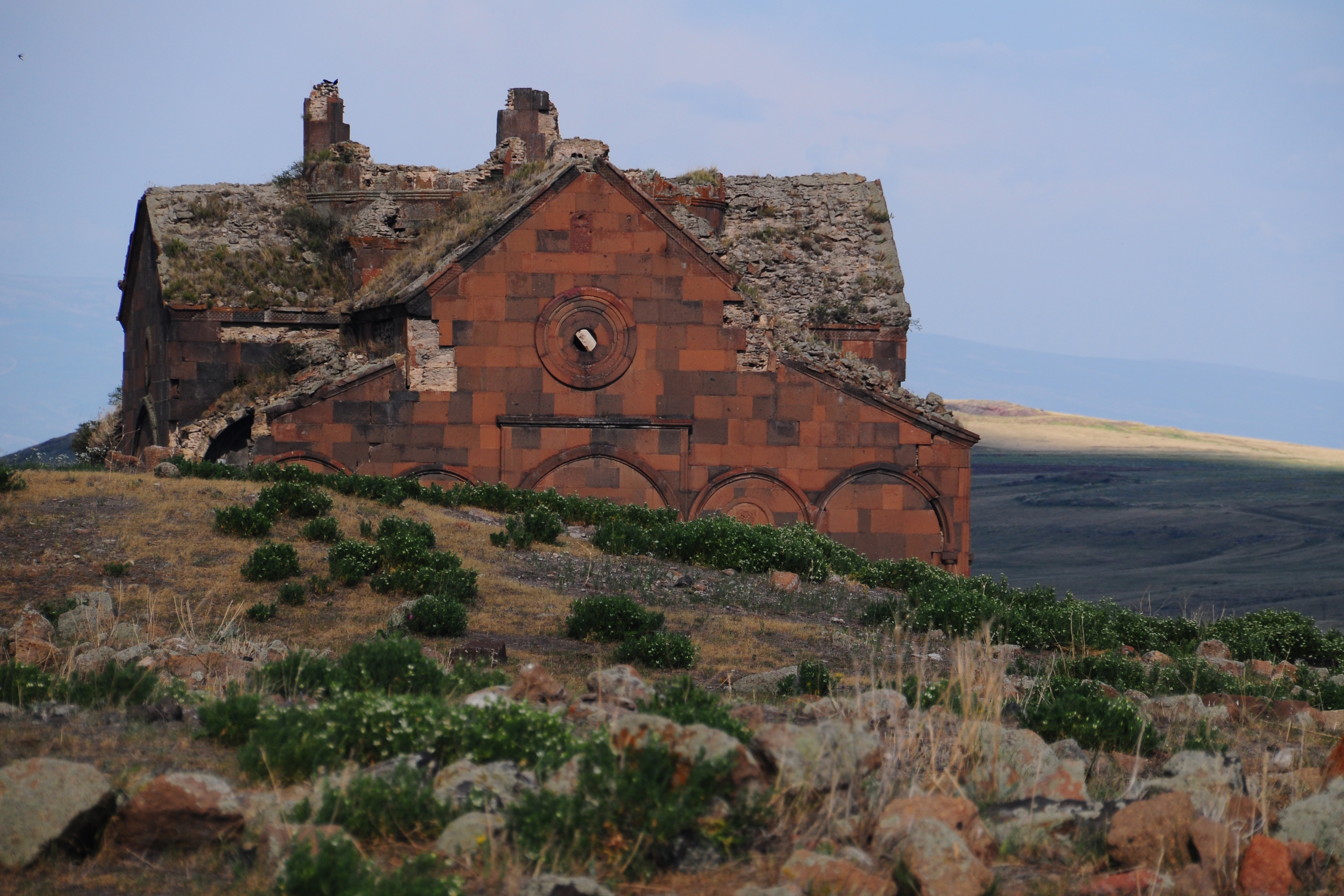
According to historical sources, Ani was an immense settlement characterized by expansive fortifications and exceptional monuments [2]. Celebrated for its extraordinary concentration of sacred architecture, the city earned historical renown as the “city of one thousand and one churches” [3]. At the time of their erection, the edifices here served as vanguards of artistic innovation and daring structural experimentation [3].
The surviving architectural vernacular of the city is evaluated by scholars as a pivotal missing link bridging Byzantine and Gothic architectural traditions [3]. Byzantine architecture is an ancient tradition renowned for domed basilical layouts and banded masonry techniques alternating between courses of dressed stone and fired brick [3]. The Gothic style, by comparison, emerged across medieval Europe, distinguished by pointed vaulting arches and vertically aspiring stone profiles [3]. Scholars observe that the architecture of Ani formed an extraordinary aesthetic bridge between these two monumental artistic traditions [3].
The churches and chapels—smaller dedicated oratories—built during the Bagratuni period formed the initial architectural core of the city [2]. The term chapel designates a small sacred space either annexed to a principal church or standing as an independent, free-standing sanctuary [2]. Rising through masterful stereotomy and fine ashlar masonry, these sacred buildings served as the primary elements shaping the urban silhouette for centuries [3]. New monuments constructed during the Seljuk period—specifically after 1064—introduced novel spatial configurations and stylistic richness to the urban fabric [2].
Nevertheless, the prolonged abandonment that began in the 15th century caused these magnificent edifices to suffer weathering, collapse, and fragmentation over the centuries [3]. Despite these ruinous conditions, the surviving structures endure in collective memory as a profound testament to Armenian culture and architectural genius [3]. Father Krikor Balakian eloquently extolled the mesmerizing grandeur of these edifices in the moving accounts he composed in 1910 [3]. The author’s great-nephew, Peter Balakian, subsequently translated these valuable texts, presenting them to modern readers [3]. Today, ongoing excavations and conservation initiatives at the site seek to stabilize, protect, and consolidate the surviving monumental masonry [2].
Visiting Notes
The Archaeological Site of Ani is currently an open-air cultural destination in Turkey that draws widespread admiration from domestic and international visitors alike [3]. The historical settlement lies directly along the international border formed by the Arpaçay River [2]. In order to explore its expansive terrain adequately, visitors are advised to set aside sufficient time [2]. When arranging an itinerary, consulting official administrative authorities beforehand is recommended [2].
Across the open terrain, visitors encounter the remnants of numerous sanctuaries dispersed over an extensive landscape alongside the monumental fortifications [2]. According to sources, visitors can examine in situ both the surviving medieval churches and the historic physical imprints of the Seljuk conquest [2].
Divergent perspectives and scholarly debates exist across source literature concerning the historical narrative and cultural legacy of the city [3]. Krikor Balakian and Peter Balakian articulate various critiques regarding the representation of the Armenian past within the broader interpretation of the site [3]. In parallel, researchers underline the imperative of diligently preserving these historical monuments and transmitting them intact to future generations [3]. Ultimately, Ani endures as a multi-layered historic landscape bearing the profound imprints of diverse civilizations [2].
References
- [1] Arama - TDV İslâm Ansiklopedisi (https://islamansiklopedisi.org.tr/ani)
- [2] ANİ KAZISI — Muhammet Arslan (2023) (https://doi.org/10.53478/tuba.978-625-8352-61-0.ch08)
- [3] The Ruins of Ani — Krikor Balakian, Peter Balakian (2019, Rutgers University Press eBooks) (https://doi.org/10.36019/9781978802940)
Konum
Harita: © OpenStreetMap katkıcıları. Haritada büyüt · Google Haritalar · Apple Haritalar
İşaret yaklaşık konumu gösterir; kesin konum için yerel kaynaklara bakın.
This article is compiled from scholarly monographs and official architectural inventories. Please verify site access conditions, visiting hours, and ongoing conservation status via official heritage authorities prior to visiting.