

Anatolian Seljuks
Monumental stone portals (taçkapı), open and covered courtyard madrasas, caravanserais, wooden-hypostyle mosques, and geometric stone reliefs.
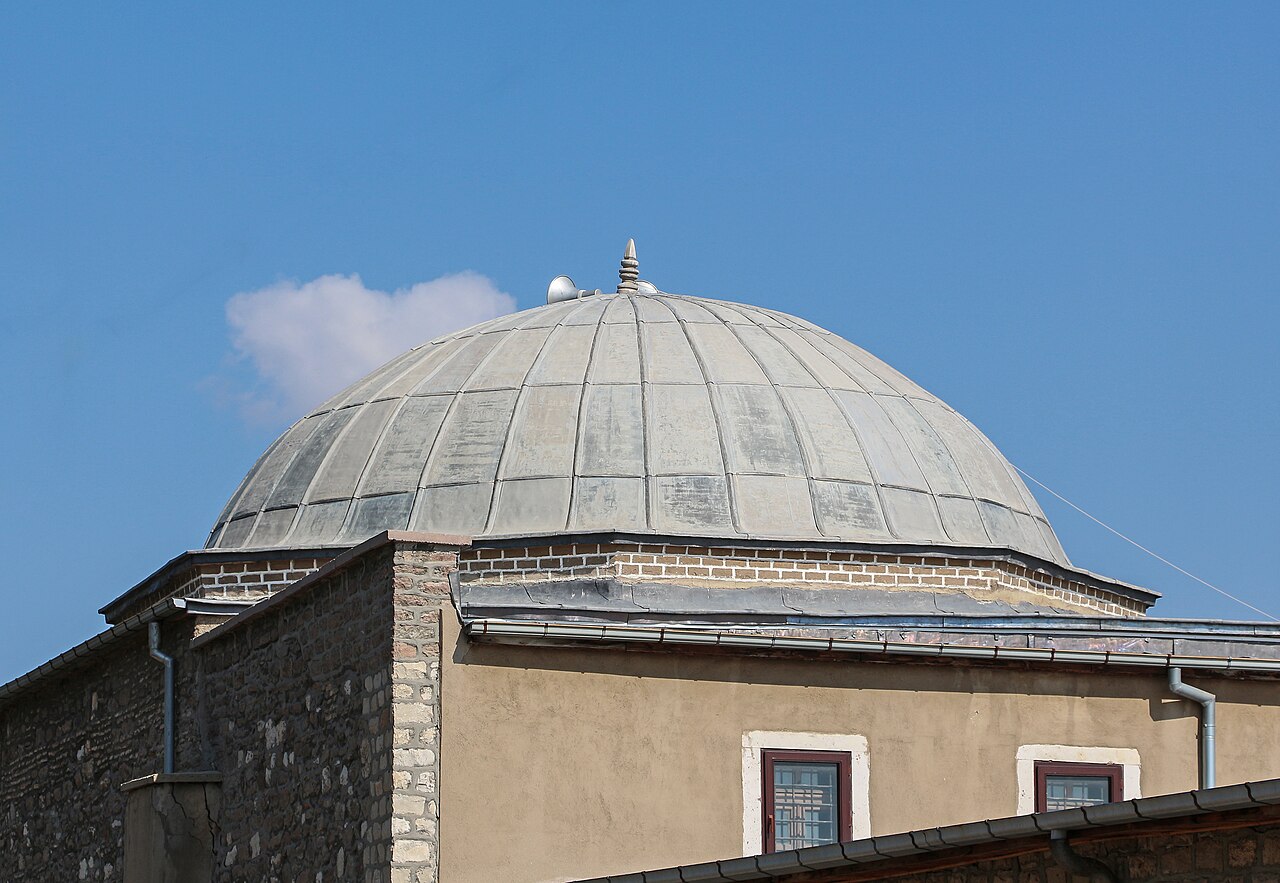
Alâeddin Mosque: Structures of the Seljuk Period
A large-scale mosque built during the Anatolian Seljuk period under the patronage of the sultan, located in Niğde's inner castle.
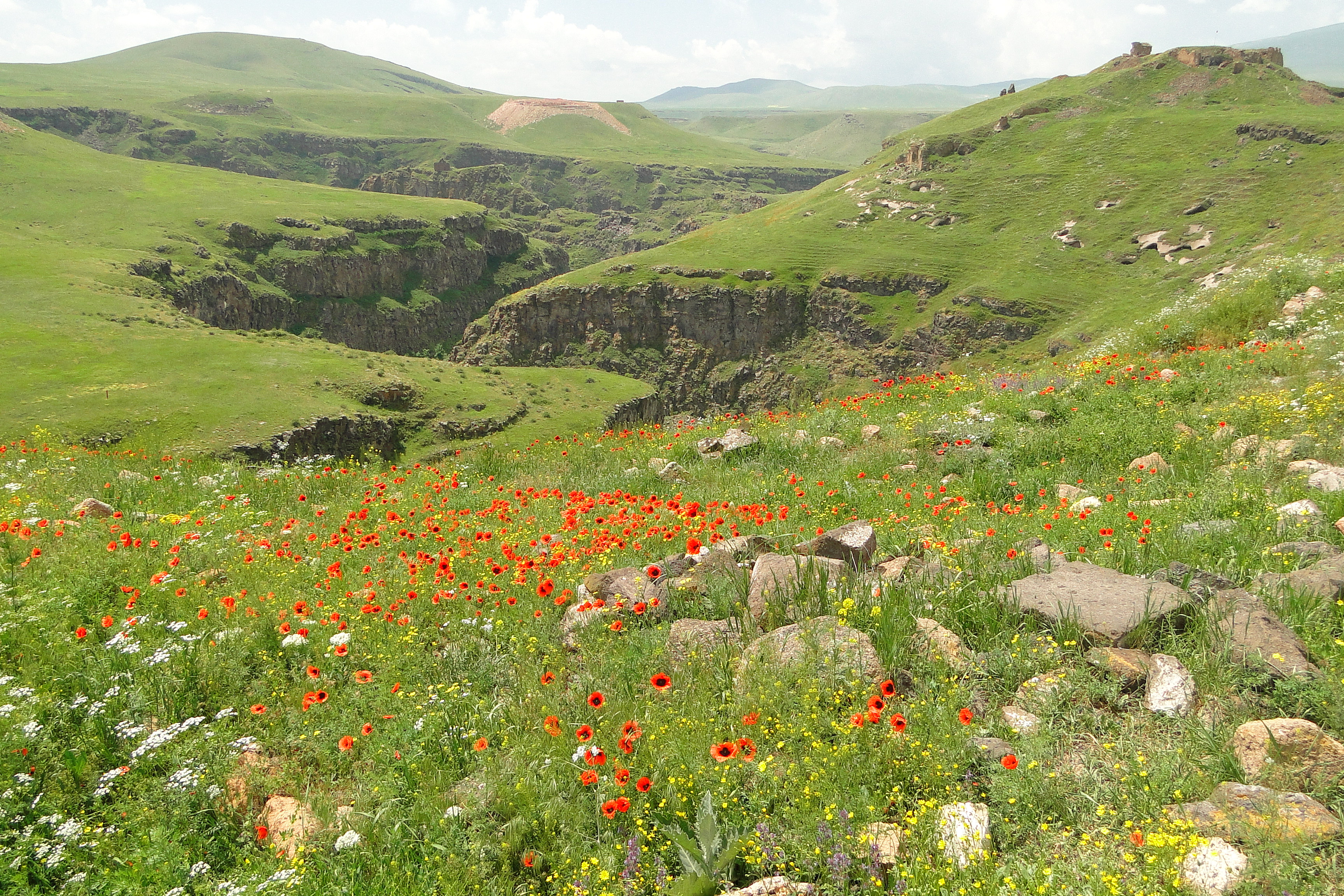
Ani Archaeological Site: The Ancient City on the Arpaçay Gorge
Explore Ani on the Arpaçay canyon, a multi-layered UNESCO World Heritage site and ancient city spanning 250.7 hectares across eastern Turkey.
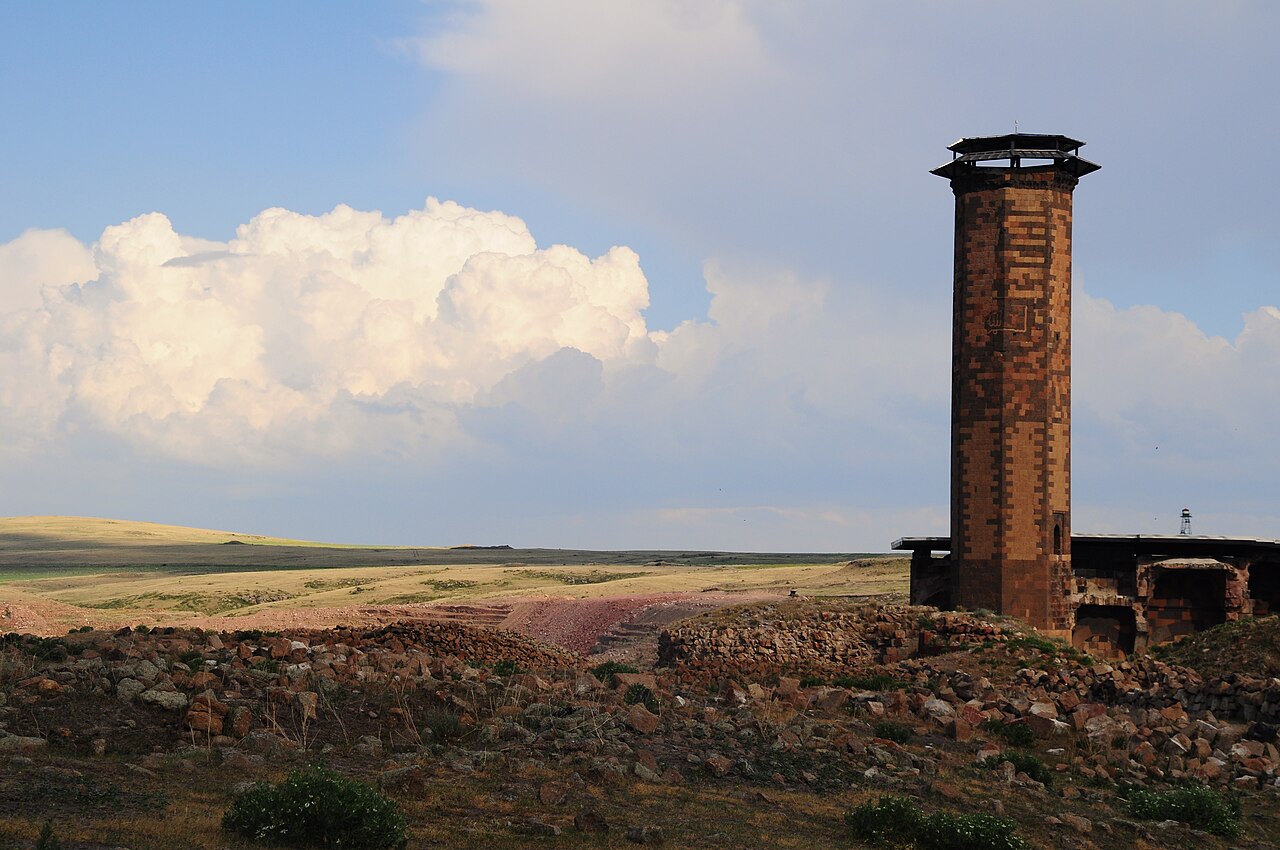
Ani Menuchir Mosque: A Historic Monument in Kars
The Ani Menuchir Mosque in Kars, a UNESCO‑protected site, features colorful stone decorations and an octagonal minaret, reflecting the region's rich heritage.
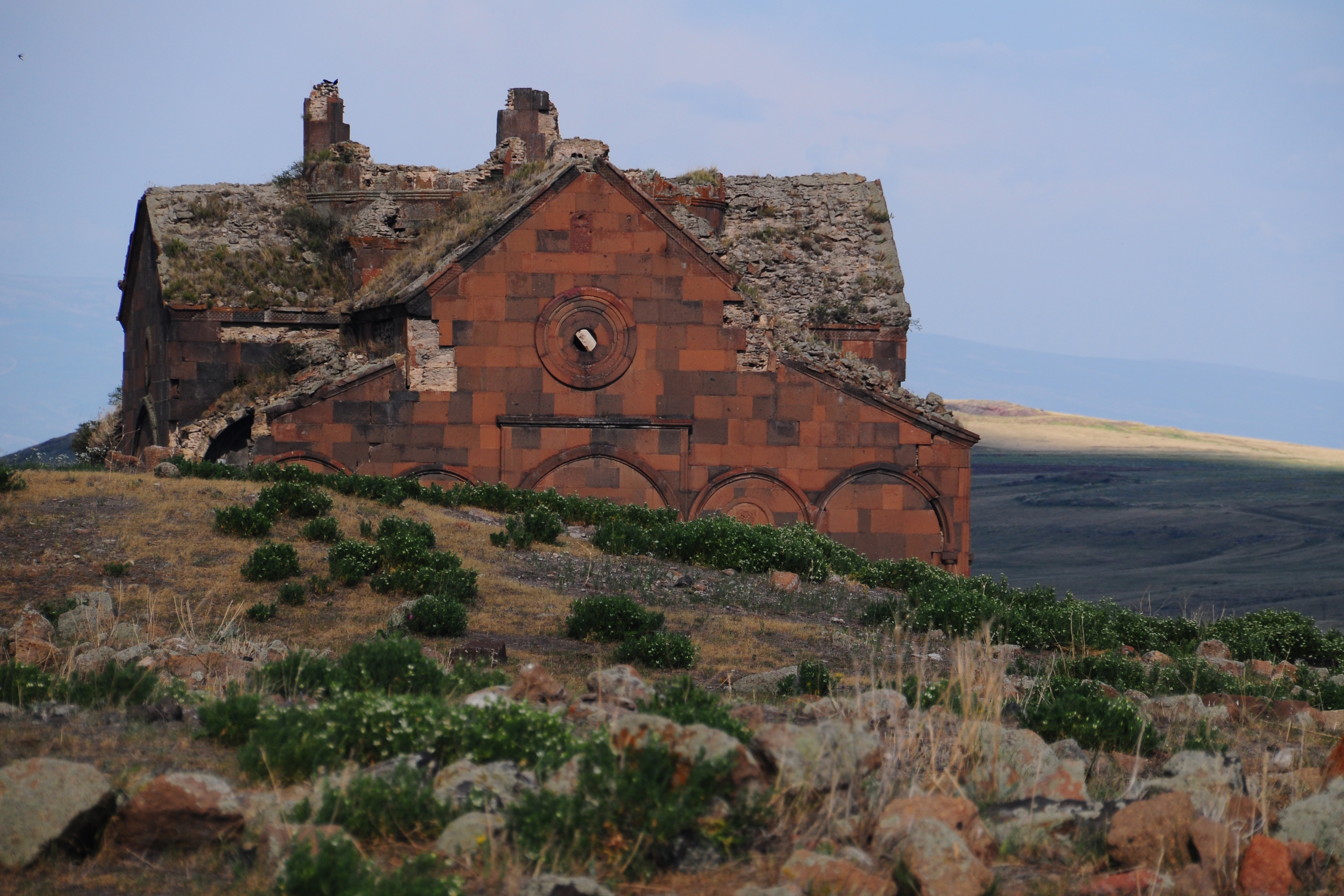
Ani: A Medieval City of Ancient Heritage
Ani, located in northeastern Anatolia, is a medieval city with a history dating back to the Late Chalcolithic period and rich monumental architecture.
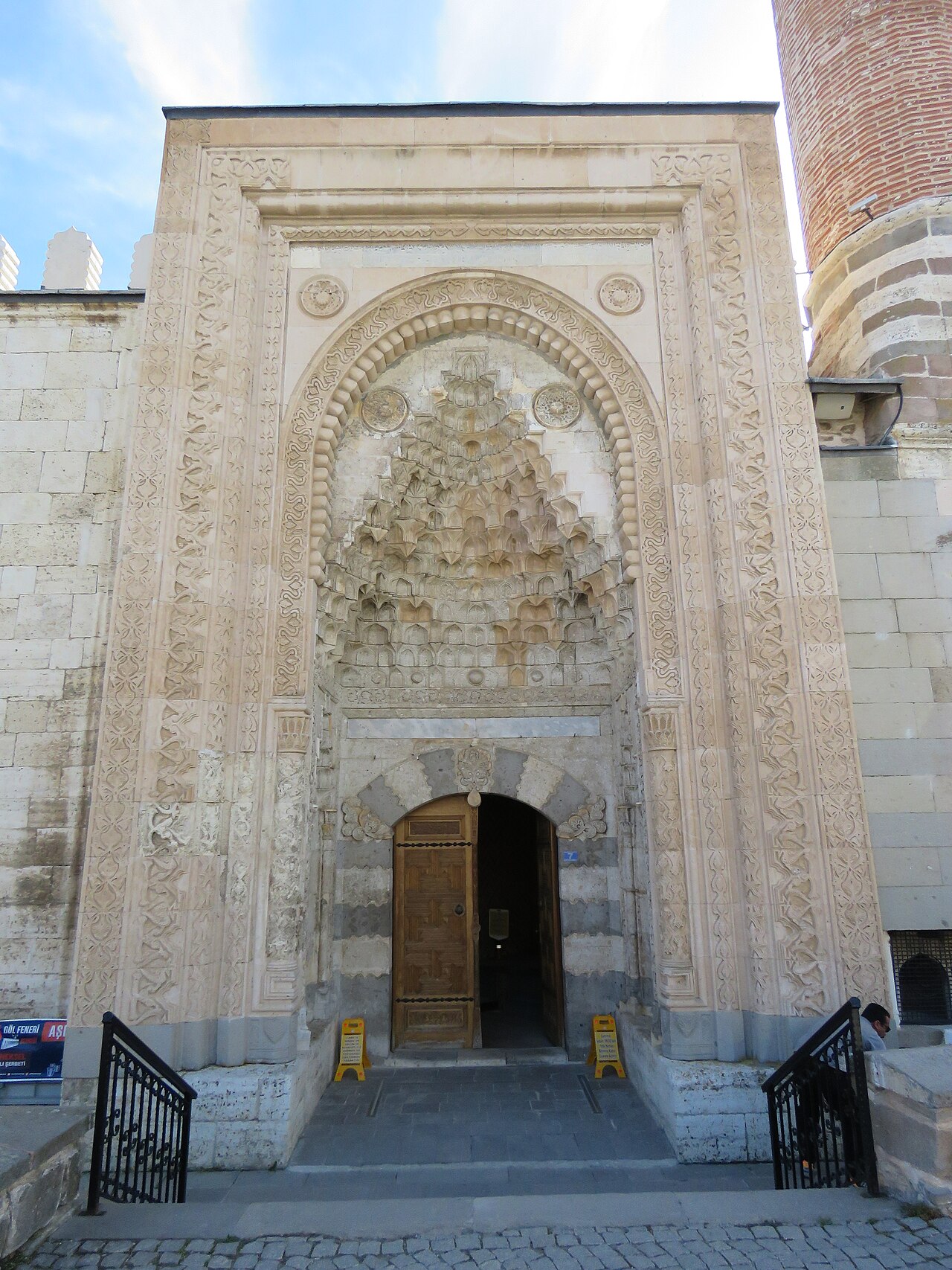
Eşrefoğlu Mosque: Historical and Architectural Features
Built in the 13th century by the Eşrefoğlu Beylik, this Seljuk-era mosque in Beyşehir features wooden columns and glazed tile decorations and stonework.
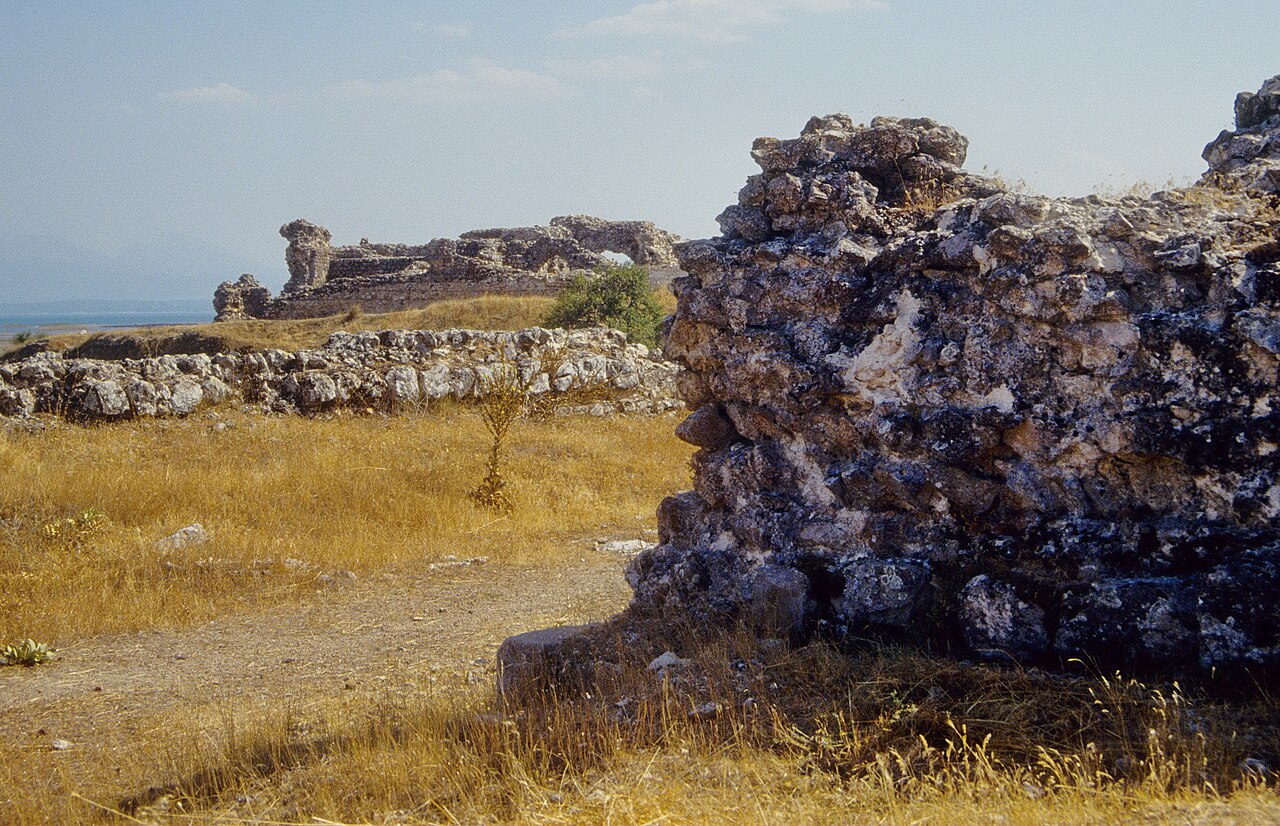
Kubadabad Palace: Seljuk Splendor on Beyşehir Lake
Built by Seljuk ruler Alaeddin Keykubad I (1226-1236), Kubadabad Palace on Beyşehir Lake’s western shore showcases intricate tilework, a testament to architecture.
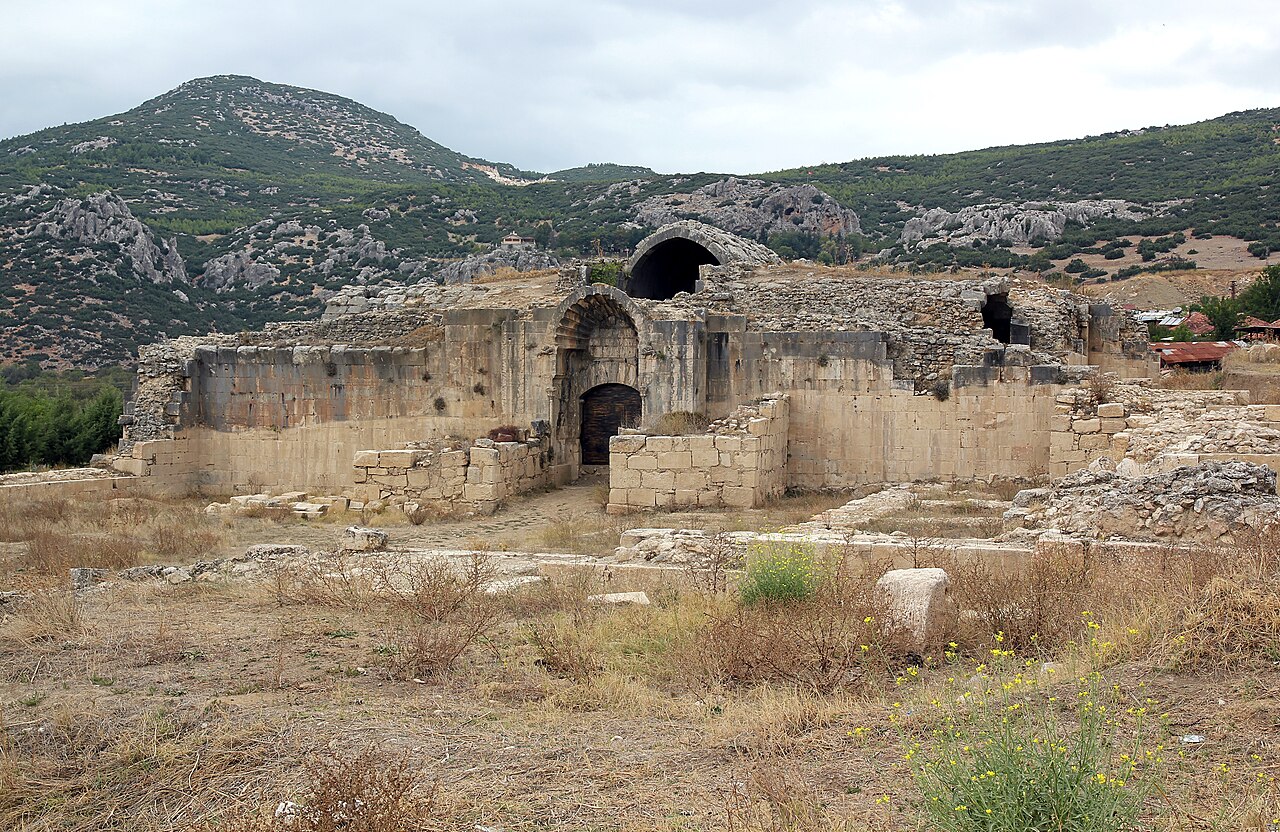
Incir Han: Seljuk Caravanserai of Bucak
Incir Han, a 13th‑century Seljuk caravanserai in Bucak, Burdur, stands on the Antalya‑Eğridir road, featuring stone markers and a distinctive crown gate.
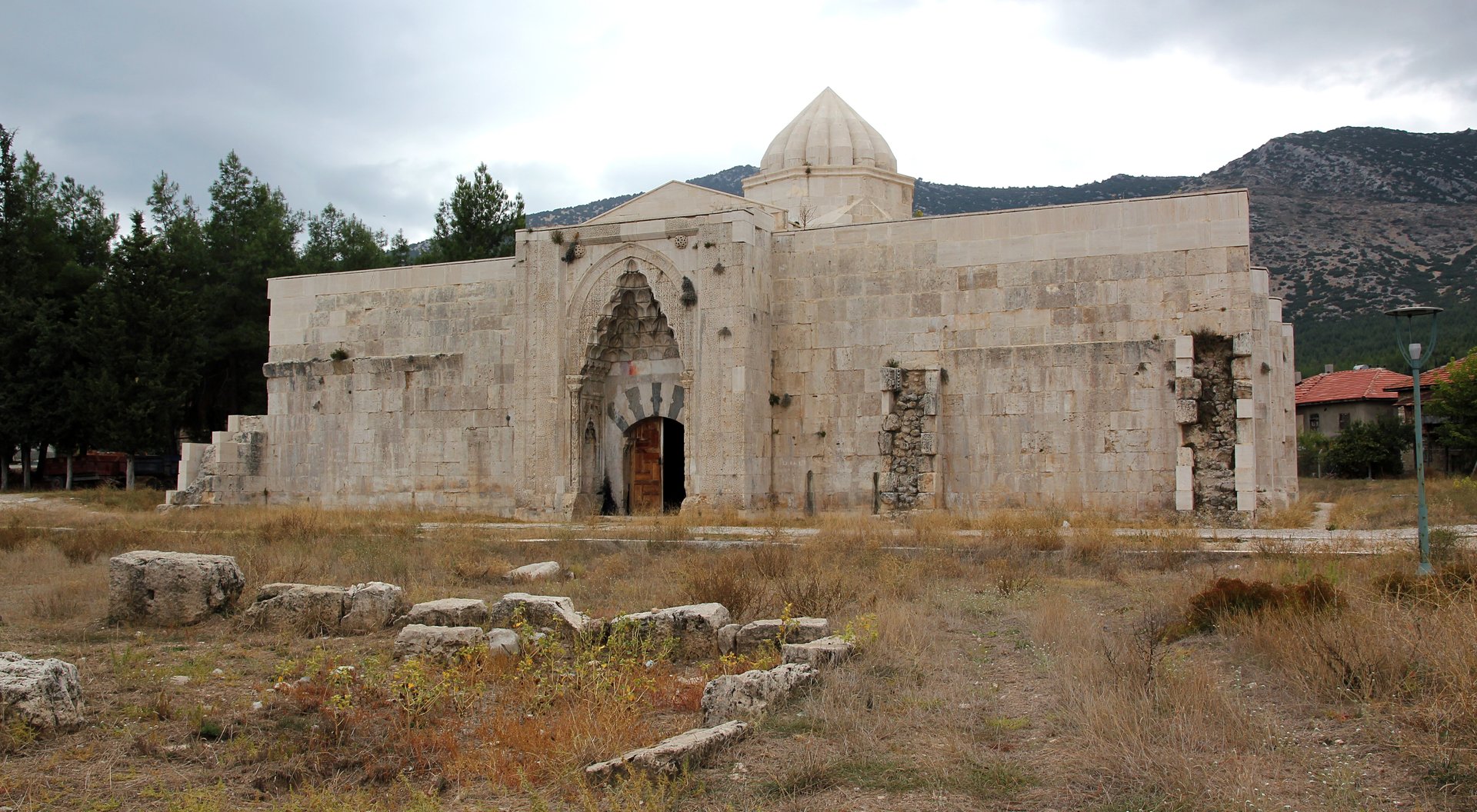
A Five-Aisle Stone Fortress from the Mediterranean to the Steppe: Susuz Han Caravanserai
Erected during the reign of Sultan Ghiyath al-Din Kaykhusraw II in Bucak, Burdur, Susuz Han stands out with its monumental five-aisle covered hall, protective dragon and angel reliefs, and masterfully integrated ancient spolia masonry.
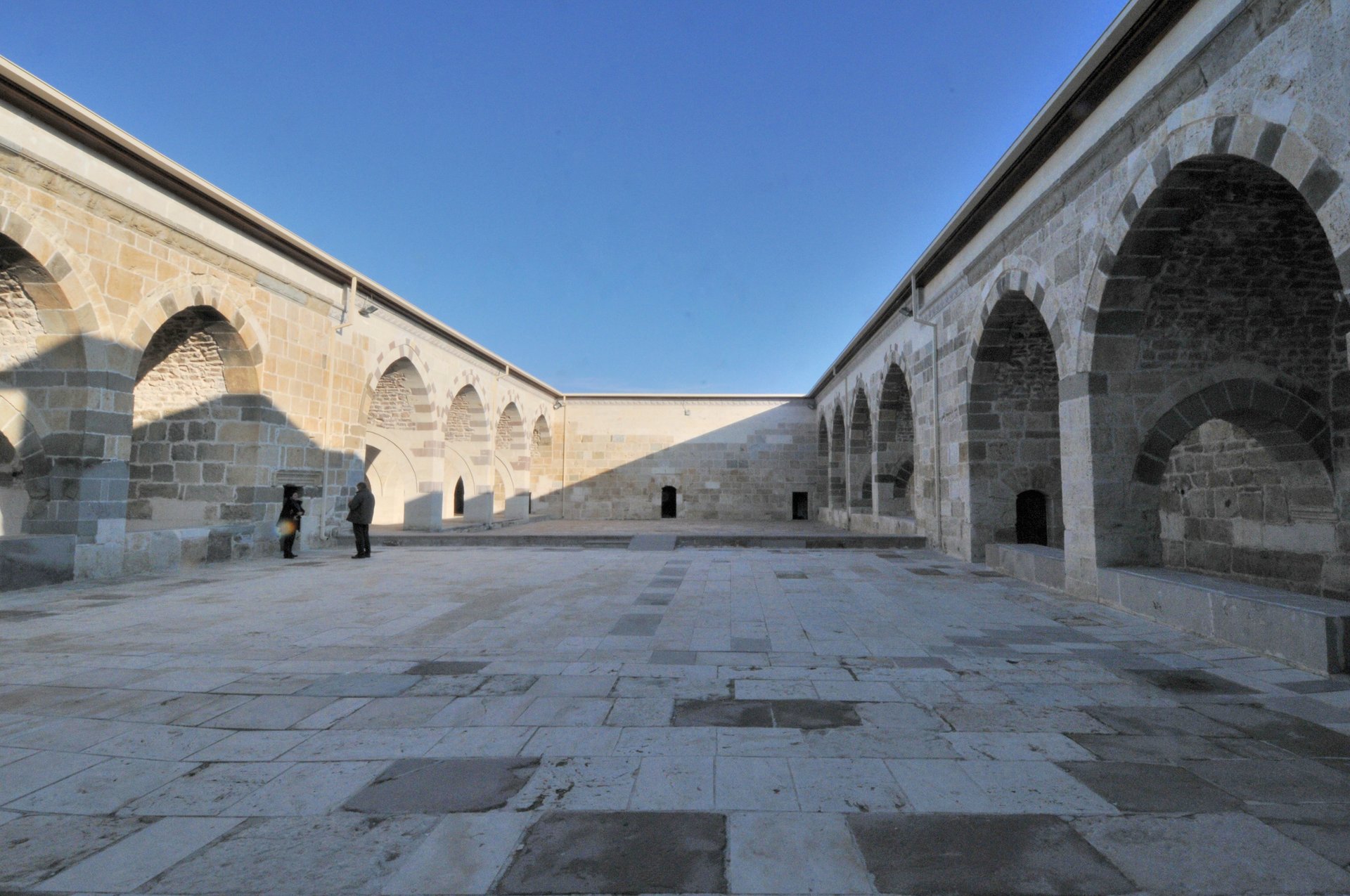
The Architectural Signature of a Seljuk Vizier: Zazadin Han of Konya
Architectural monograph on Zazadin Han (Sadeddin Han), commissioned between 1235 and 1237 by the Seljuk chief architect and vizier Sa'd al-Din Köpek, featuring its dual monumental portals, elevated gateway mosque, and two-tone ablaq masonry.
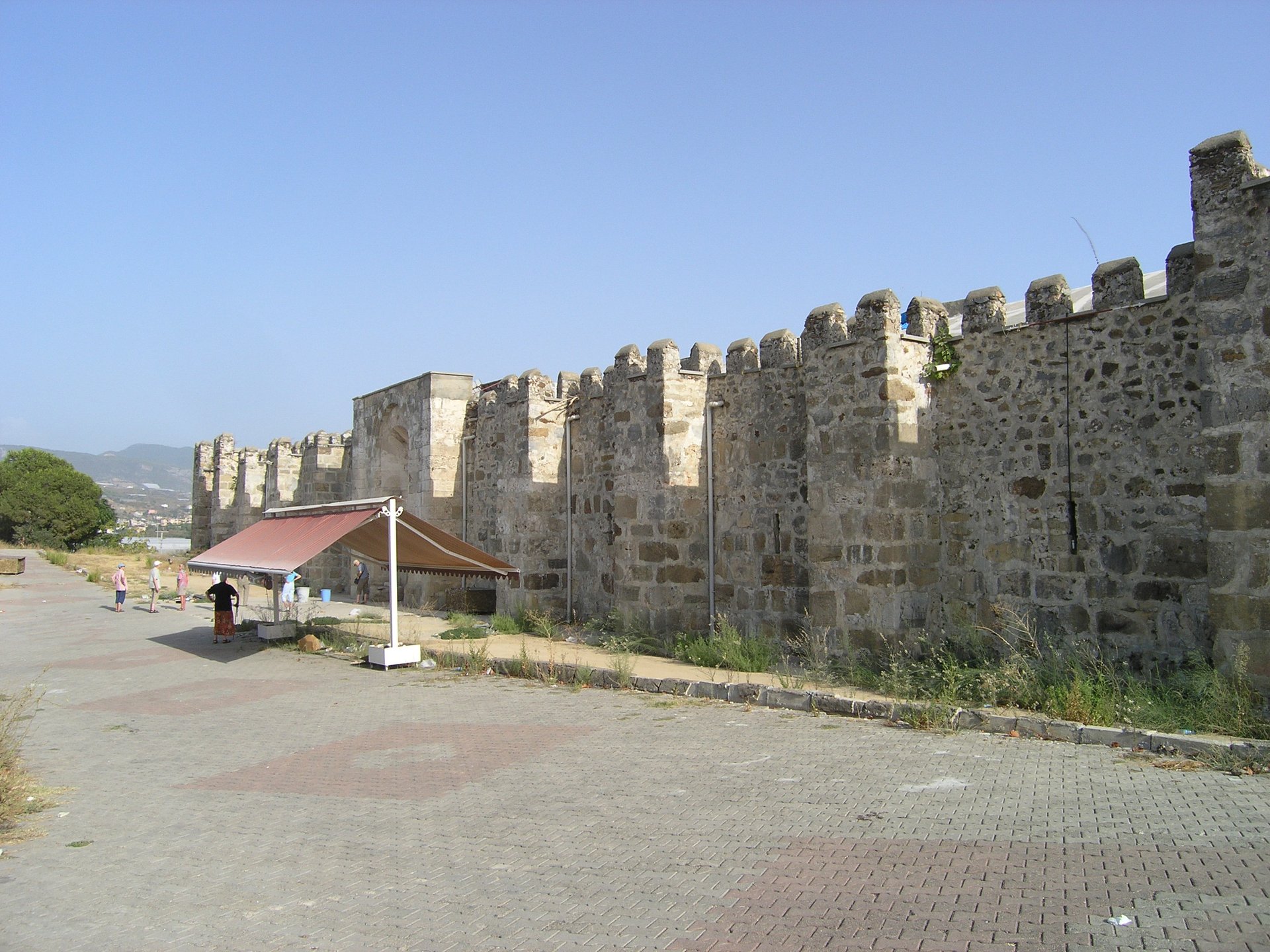
A Defensive Ribat on the Mediterranean Coast: Alanya Sarapsa Han
A unique example of Seljuk caravanserai architecture from the reign of Sultan II. Gıyâseddin Keyhusrev (1237-1246), characterized by its single-aisled vaulted plan, fortified towers, and mosque tower, representing an atypical coastal menzil and ribat.
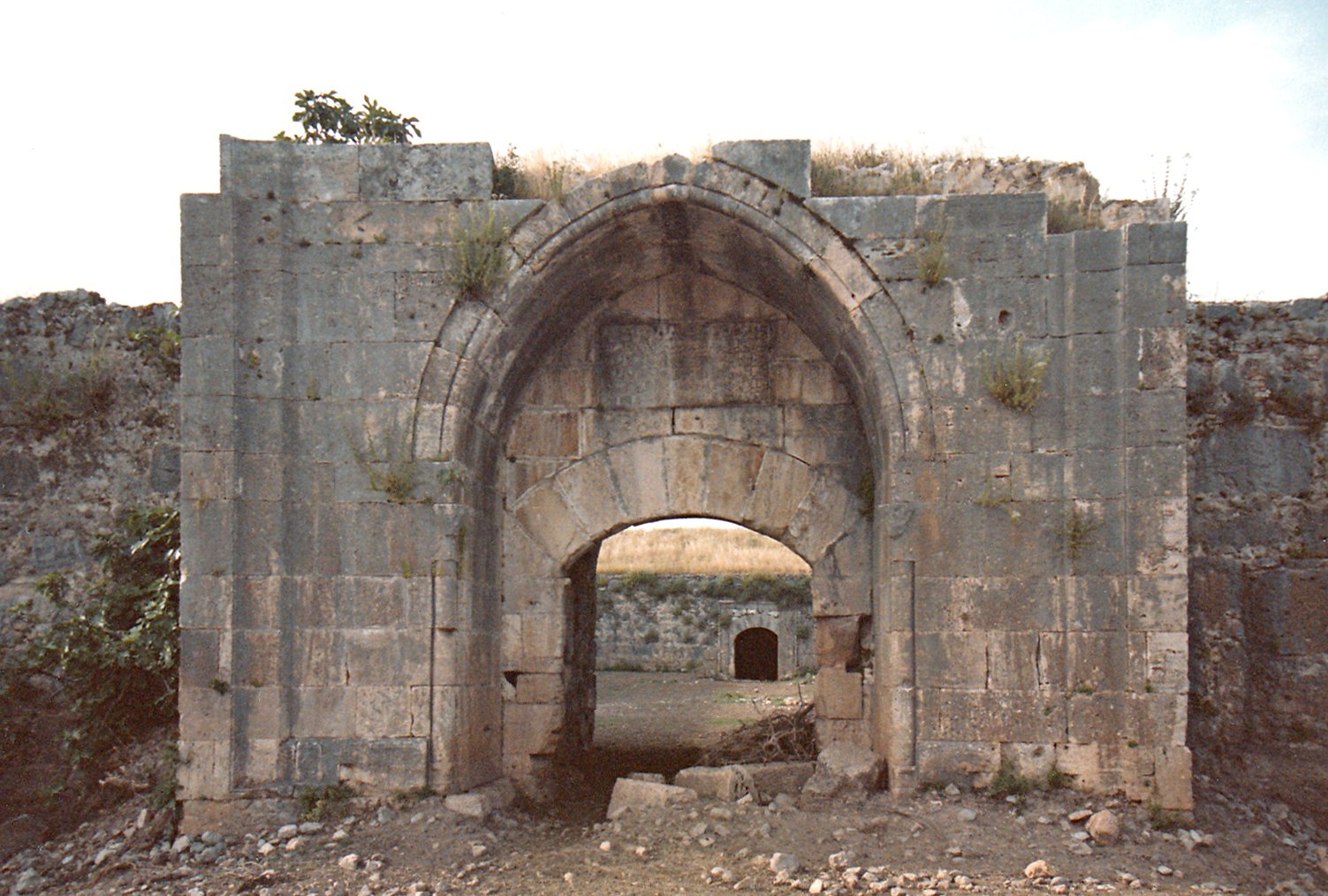
The Gateway of the Mediterranean: Antalya Kırkgöz Han
A monumental epigraphic façade and spacious courtyard with revak (arcaded portico) characterize the strategic starting point of the Antalya-Burdur caravan route, Kırkgöz Han, constructed between 1237-1246 by Sultan II. Gıyâseddin Keyhusrev of the Anatolian Seljuk Empire.
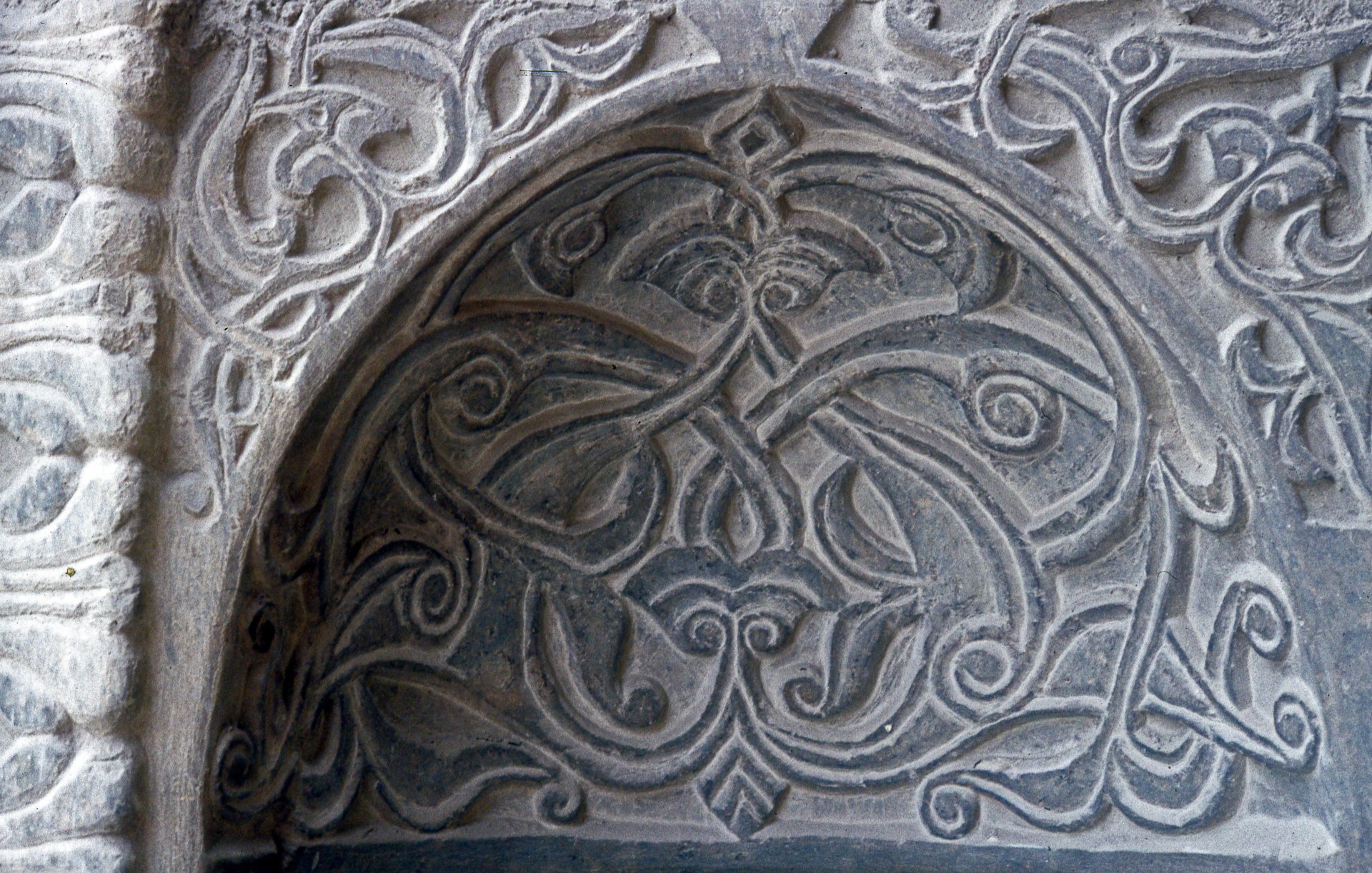
The Ascent of Lapis Lazuli Tiles: Tokat Gökmedrese
A two-story open courtyard plan, lapis lazuli and eggplant purple tile mosaic, and monumental portal with a muqarnas corbeling make this the pinnacle of Anatolian Seljuk architecture, constructed around 1277 by Vizier Pervâne Muînüddin Süleyman.
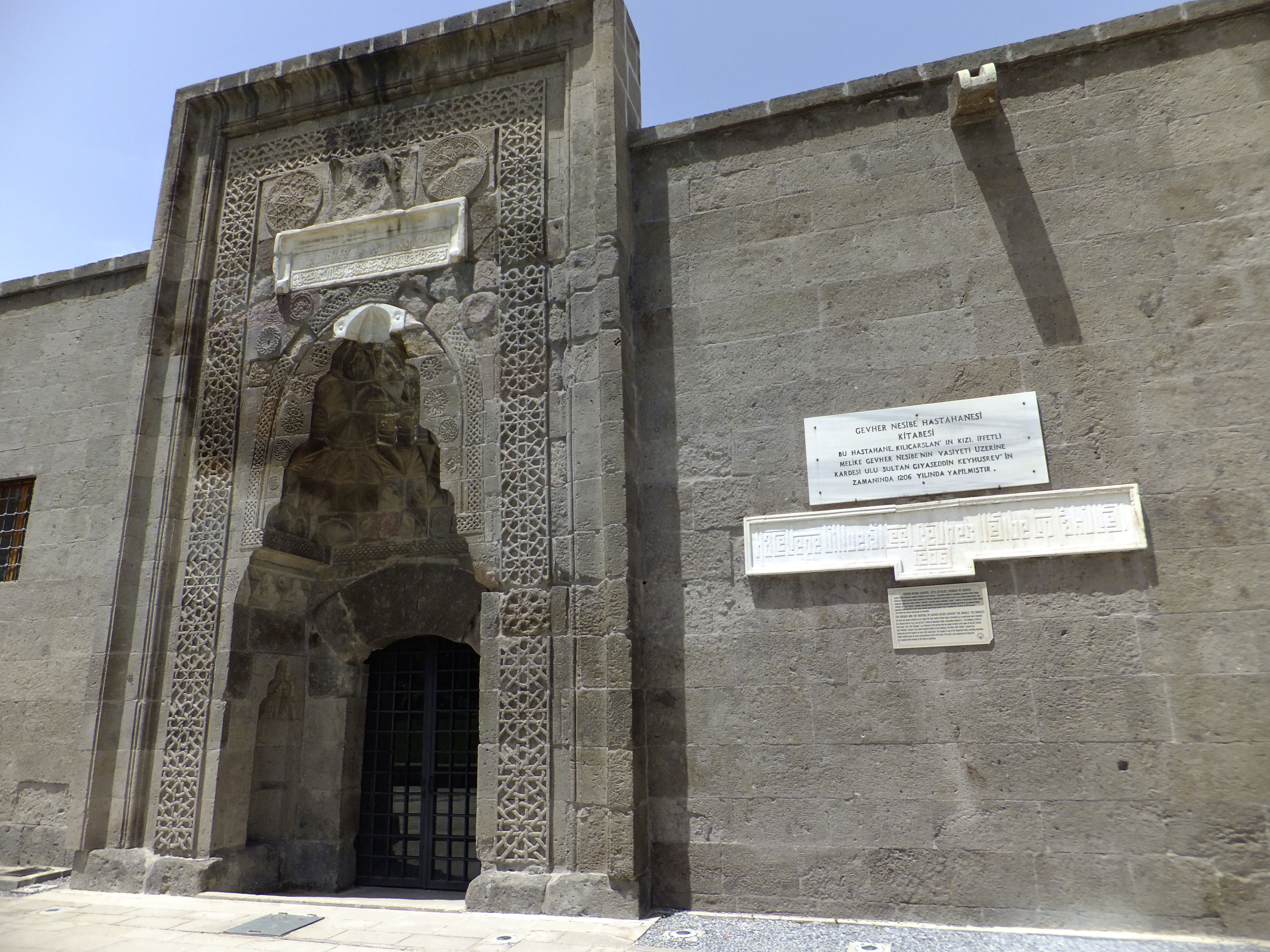
The Twin Monument of Medicine and Mercy: Kayseri Gevher Nesibe Dârüşşifâ
Anatolian Seljuk architecture's first dual medical complex uniting a dârüşşifâ (hospice), medical madrasa, and tomb within a single structure, commissioned by the will of Sultan II. Kılıcarslan’s daughter Gevher Nesibe Sultan in 1206.
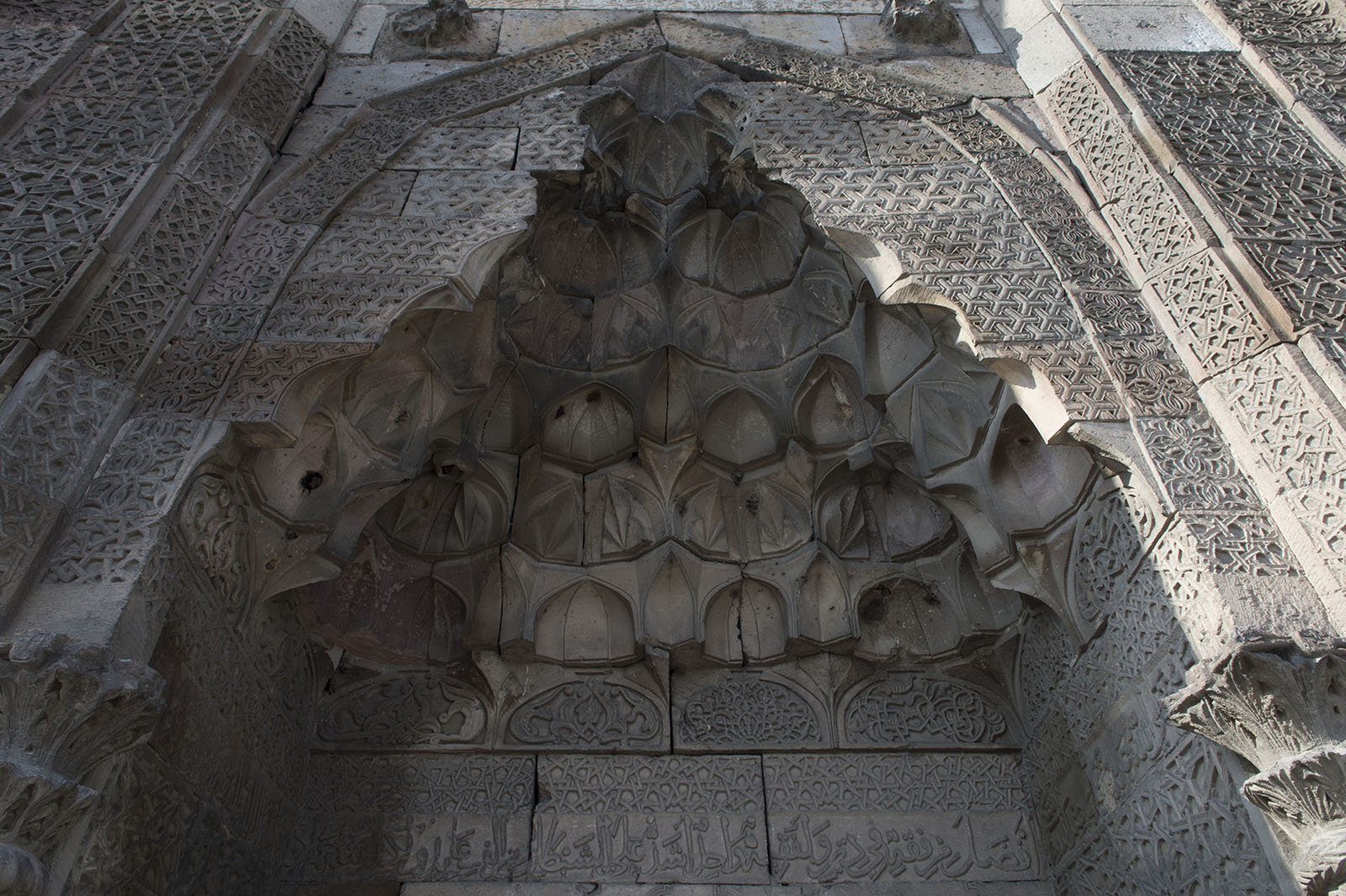
The Stone Geometry of the Anatolian Steppe: Kayseri Sâhibiye Madrasa
A 13th-century academic institution with an open courtyard and recessed arcade plan, Seljuk stone carving at its zenith in the muqarnas corbelled portal, and a historic fountain adjacent to it, commissioned by Seljuk Vizier Sâhib Ata Fahreddin Ali in 1267.
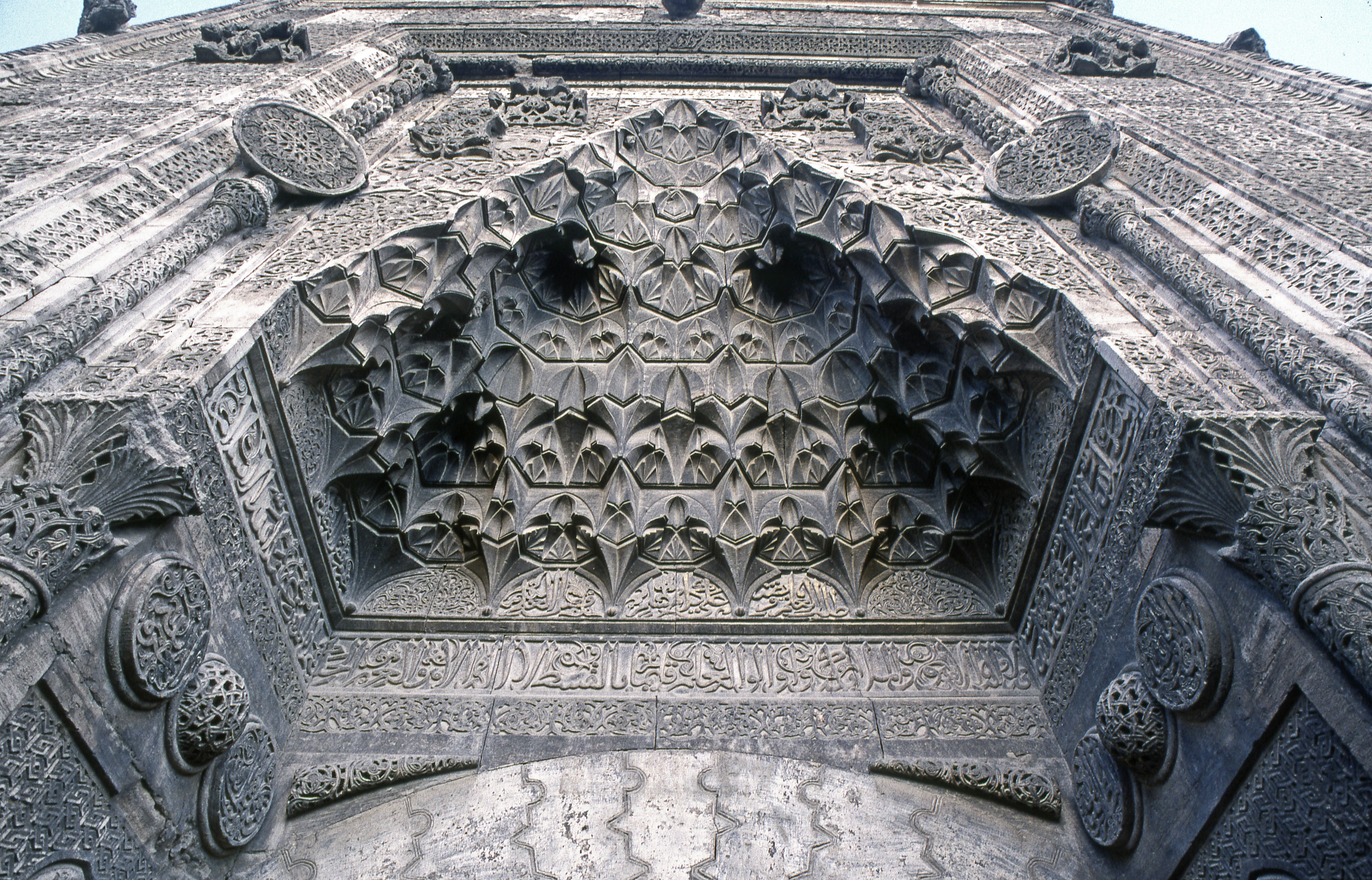
Where Stone Meets Elegance: Sivas Buruciye Madrasa
A Seljuk architectural masterpiece featuring an open courtyard, four-iwan symmetrical plan, domed entrance iwan, rich stone portal, and glazed tomb, constructed in 1271 by Muzaffer b. İbâdullah el-Mufaddal el-Burûcirdî.
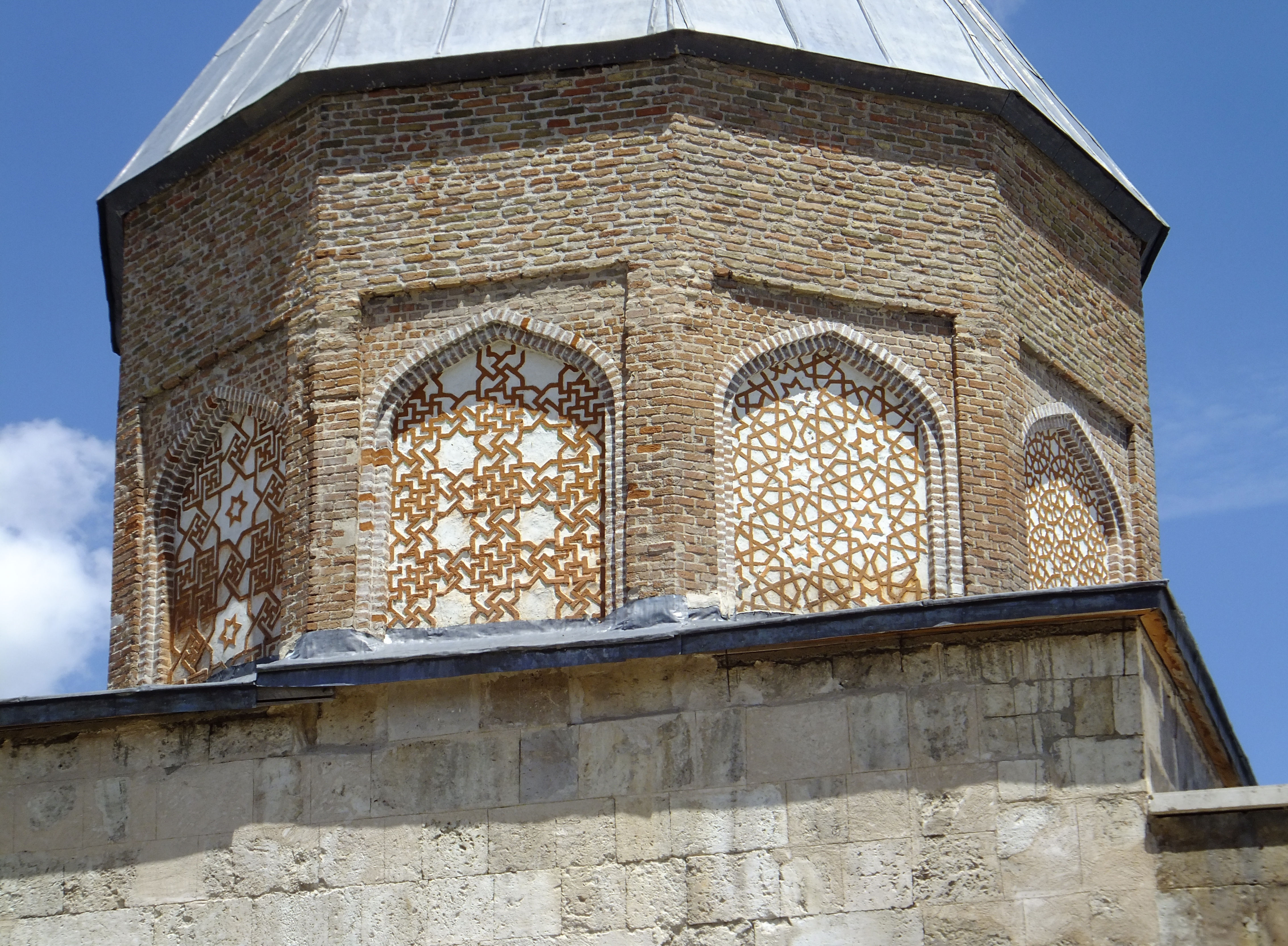
Anatolia's Grandest Healing Complex: Sivas Şifaiye Madrasa and Dârüşşifâ
A Seljuk architectural masterpiece constructed by Sultan I. İzzeddin Keykâvus in 1217, featuring an open courtyard and revak plan, human head reliefs symbolizing the moon and sun, and a glazed façade with tilework attributed to the master craftsman from Marand.
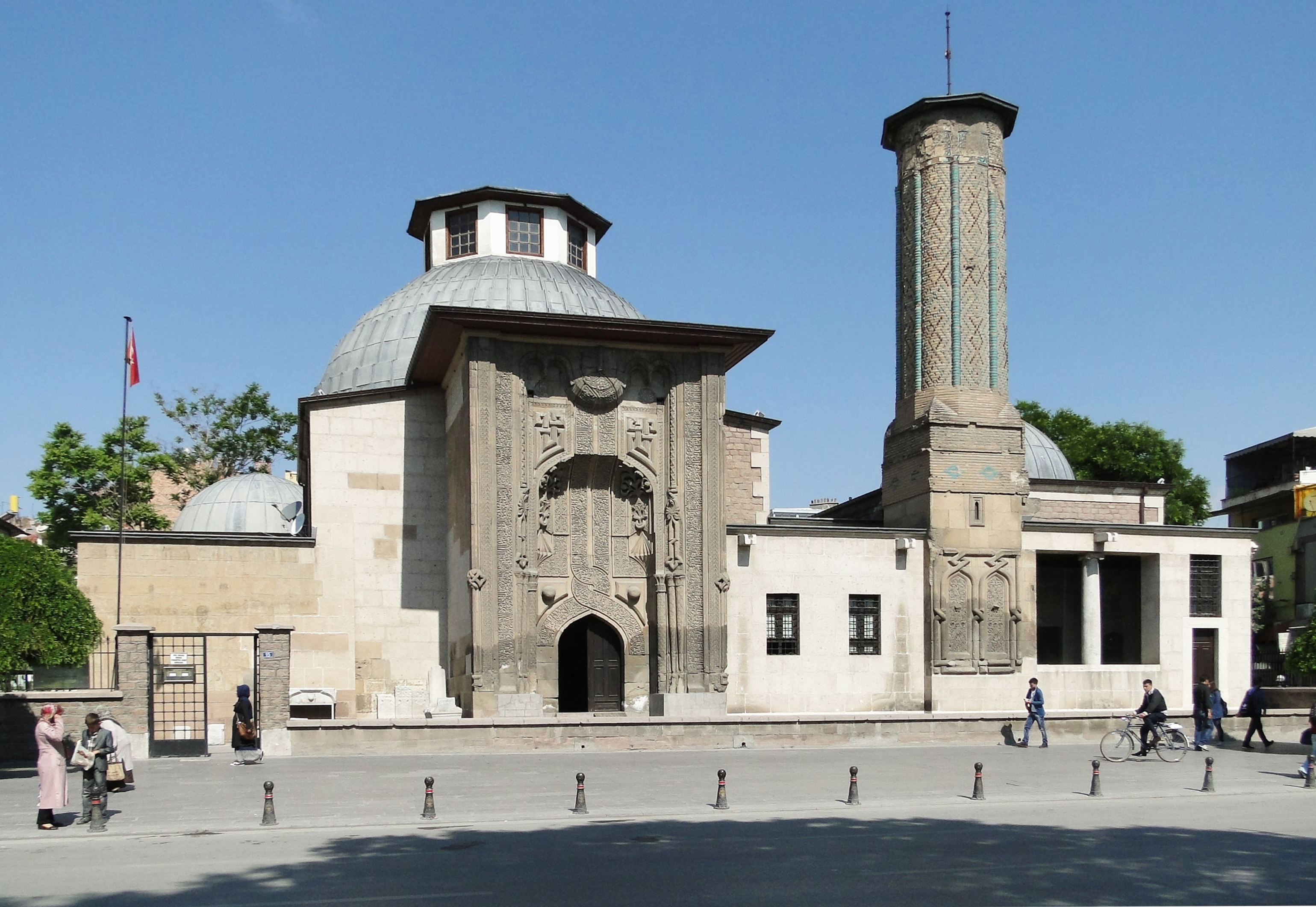
Inscribed Verses on Stone: Konya İnce Minareli Madrasa
A Seljuk dârülhadis masterpiece commissioned by Vizier Sâhib Ata Fahreddin Ali from architect Kölük b. Abdullah, distinguished by its monumental portal inscribed with the Surahs of Feth and Yâsîn, and its glazed brick minaret with secret compartments.
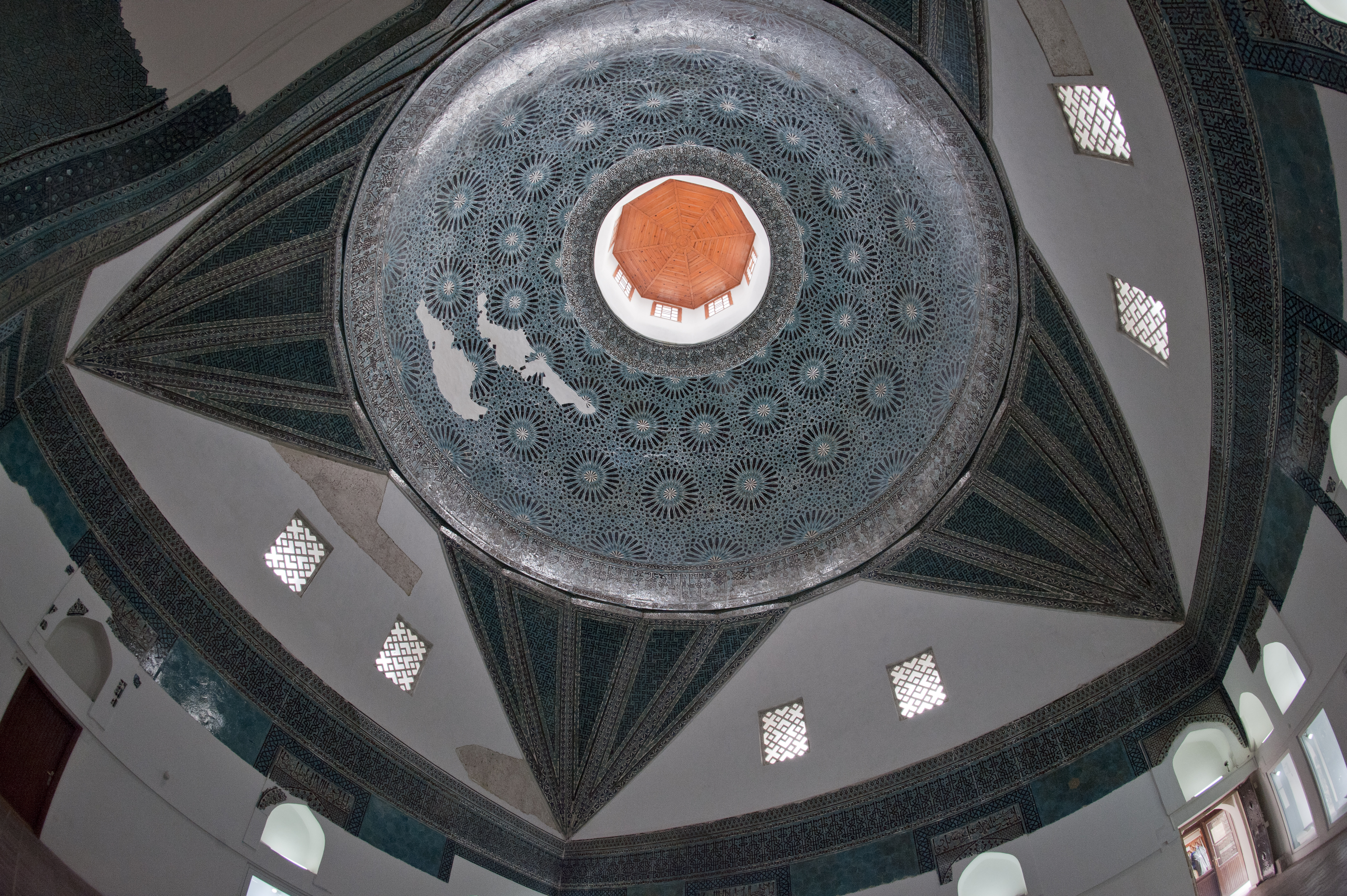
The Glazed Mirror of the Celestial Dome: Konya Karatay Madrasa
A Seljuk madrasa exemplar with its fîrûze and lâcivert mosaic-glazed dome, yelpaz pandantifs, and two-colored marble gateway, constructed in 1251 by Celâleddin Karatay during the reign of Sultan II. İzzeddin Keykâvus.
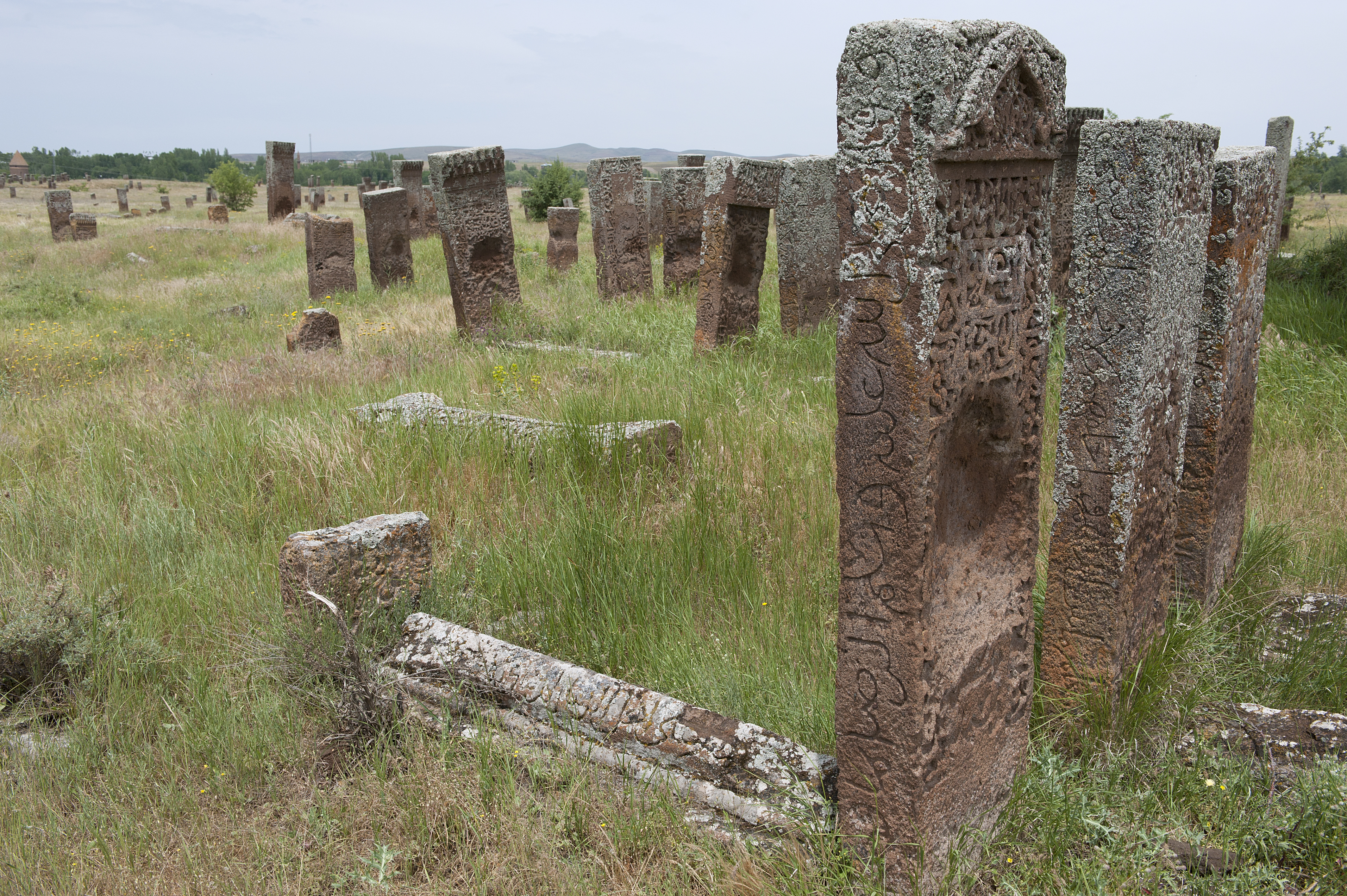
Erzurum, Ahlat, and Van Madrasa and Tomb Corridor: Towers of Stone and Faith
A cultural corridor in Eastern Anatolia spanning from the monumental Seljuk and Ilkhanid madrasas on the slopes of Palandöken to the iconic tomb towers in the Lake Van basin.
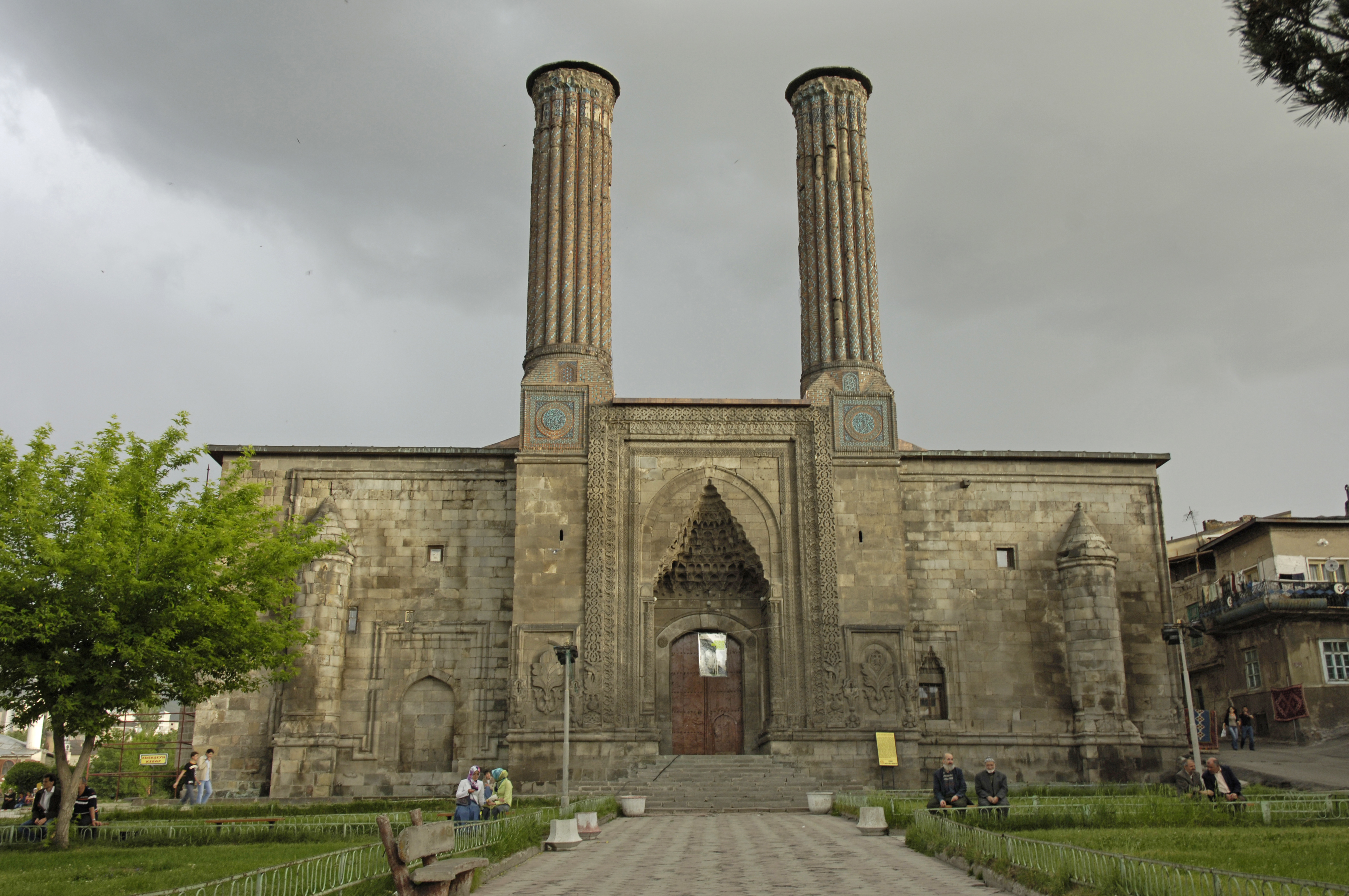
The Monumental Summit of Stone and Tile: Erzurum Çifte Minareli Madrasa (Hatuniye)
Located in İçkale, the Hatuniye Madrasa, with its 35 × 48 meter dimensions, is Anatolia's largest Seljuk madrasa. Its two-story, four-iwan open courtyard plan, 26-meter brick minarets, tilework, and tree of life carvings define this architectural landmark [1].
The Zenith of Ilkhanid Stone Art: Erzurum Yakutiye Madrasa
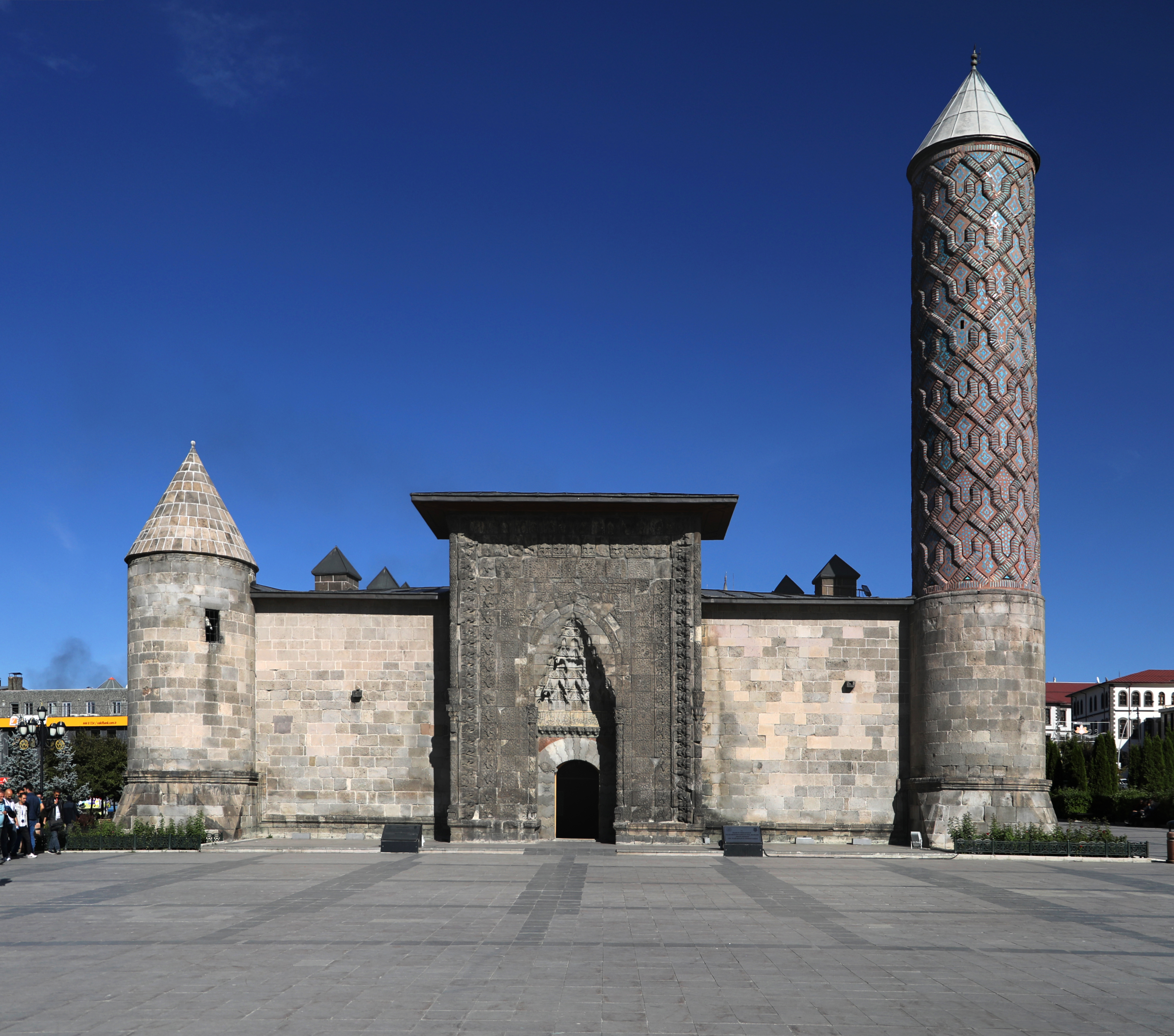
Built during the reign of Ilkhanid ruler Oljaitu in 1310-1311, the Erzurum Yakutiye Madrasa is a monumental structure distinguished by its enclosed courtyard, muqarnas corbeling, double-headed eagle motifs, and relief carvings, as well as its glazed brick minaret with firozeh and purple glazes [1].
The Ascent of Stone and Glazed Tile to the Heavens: Sivas Çifte Minareli Madrasa
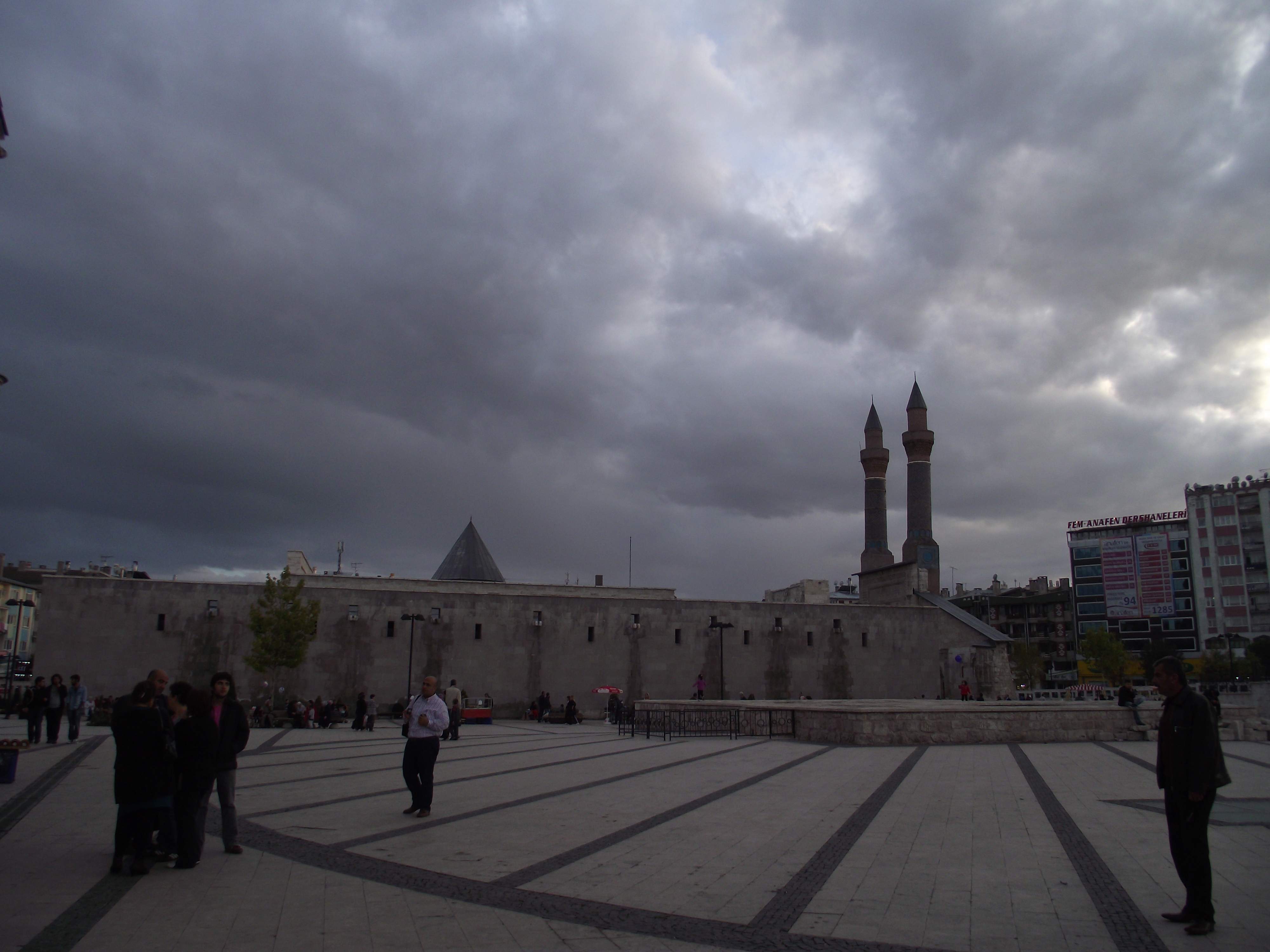
A medrese constructed by Ilkhanid Vizier Shams al-Din Juwayni between 1271-1272, distinguished by its monumental façade and meticulous stonework.
A Four-Iwan Ribat in the Mediterranean Corridor: Evdir Han in Antalya
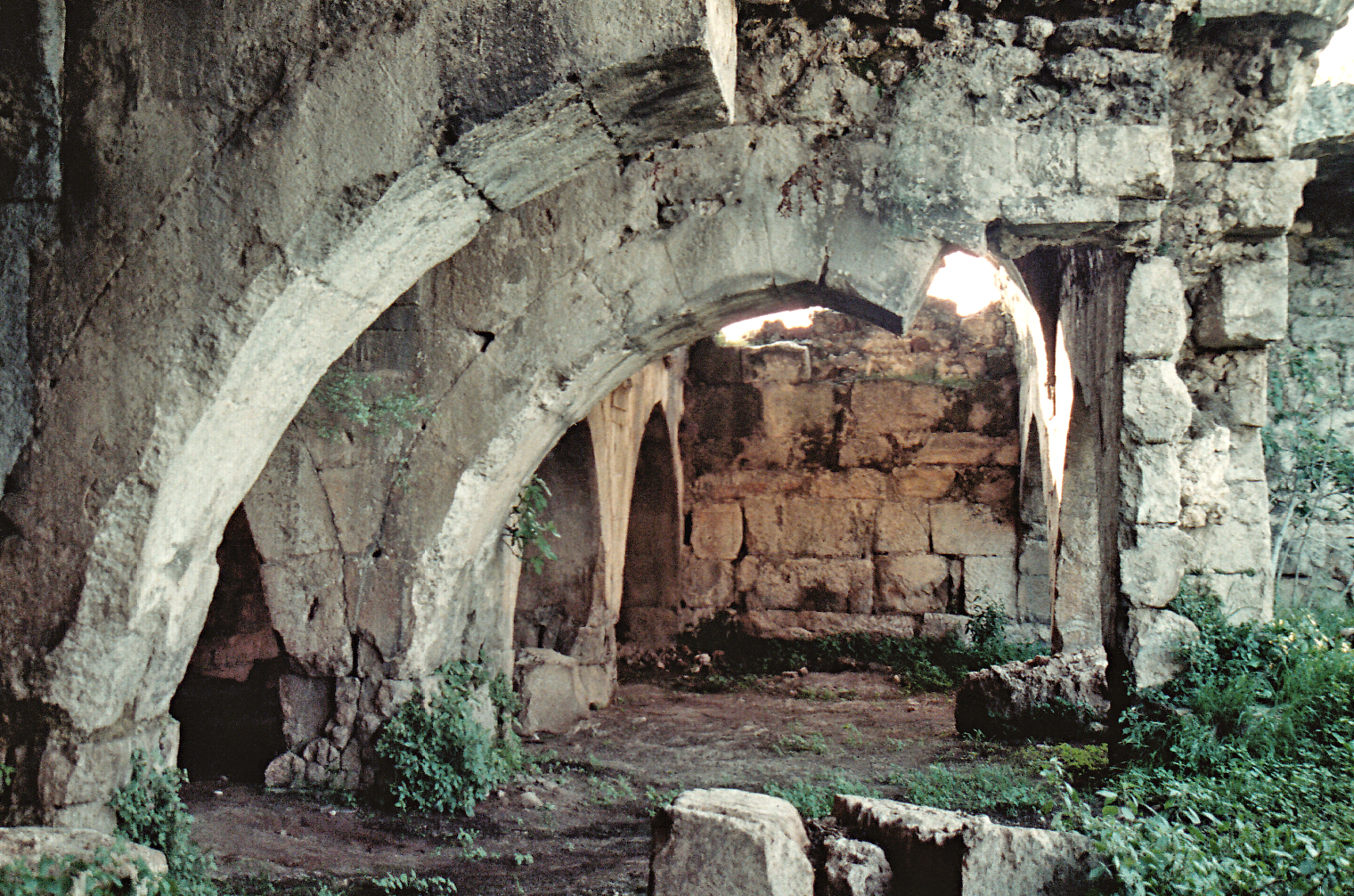
Evdir Han, a pioneering example of Anatolian Seljuk caravanserai architecture with its open courtyard plan, four main iwan, marble portal, seven-tier muqarnas corbeling, and mihrab niches, constructed by Sultan I. Izzeddin Keykavus between 1211-1220.
A Sultan Caravanserai on the Edge of the Mediterranean: Alara Han in Alanya
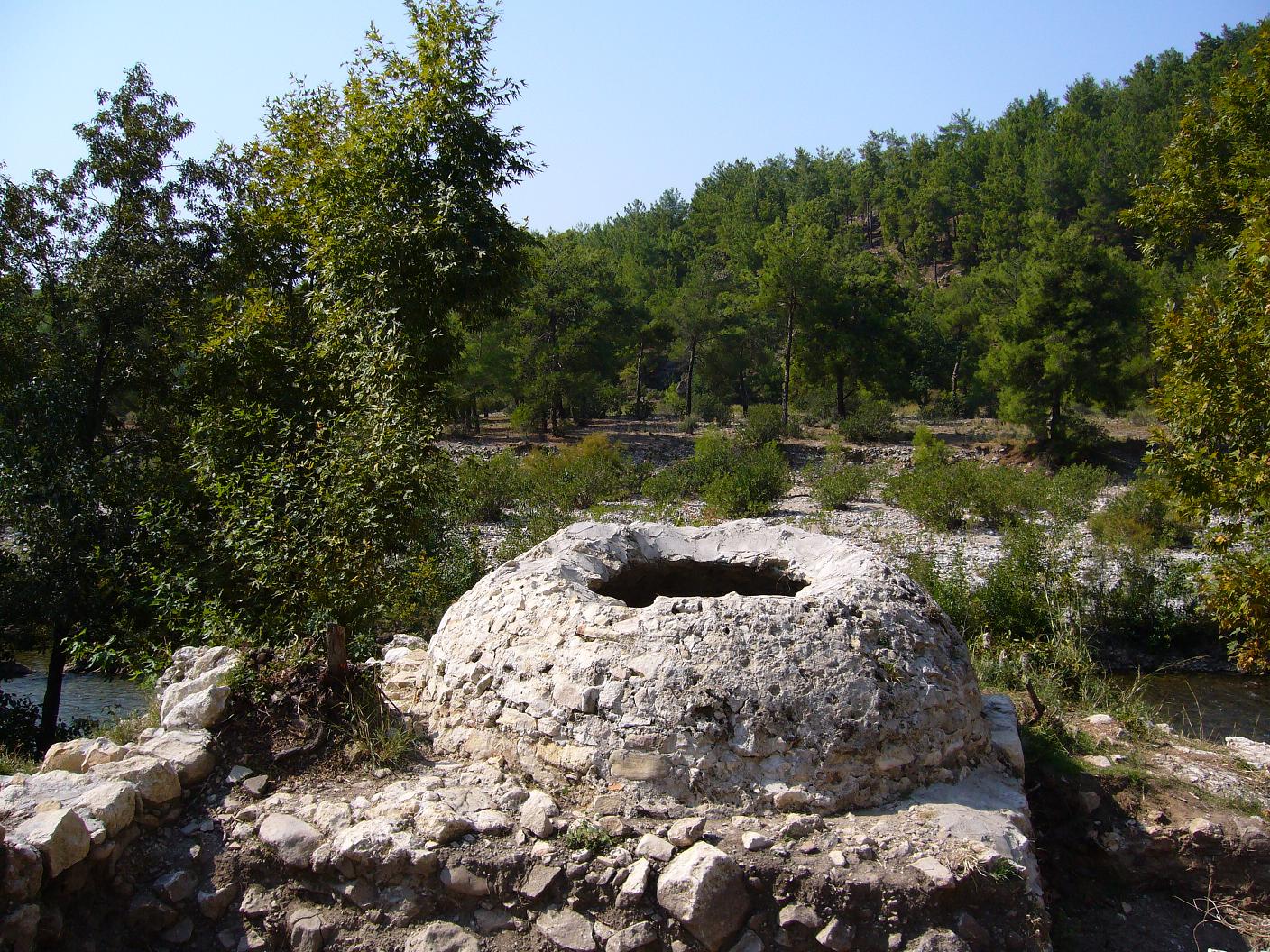
A Seljuk-period caravanserai constructed between 1231–1232 by I. Alâeddin Keykubad along the banks of the Alara River between Alanya and Antalya, characterized by its symmetrical compartmentalization plan centered on an open courtyard and enclosed hall, lion-headed corbeling, and fountain iwan—representing one of the most distinctive Seljuk caravanserais.
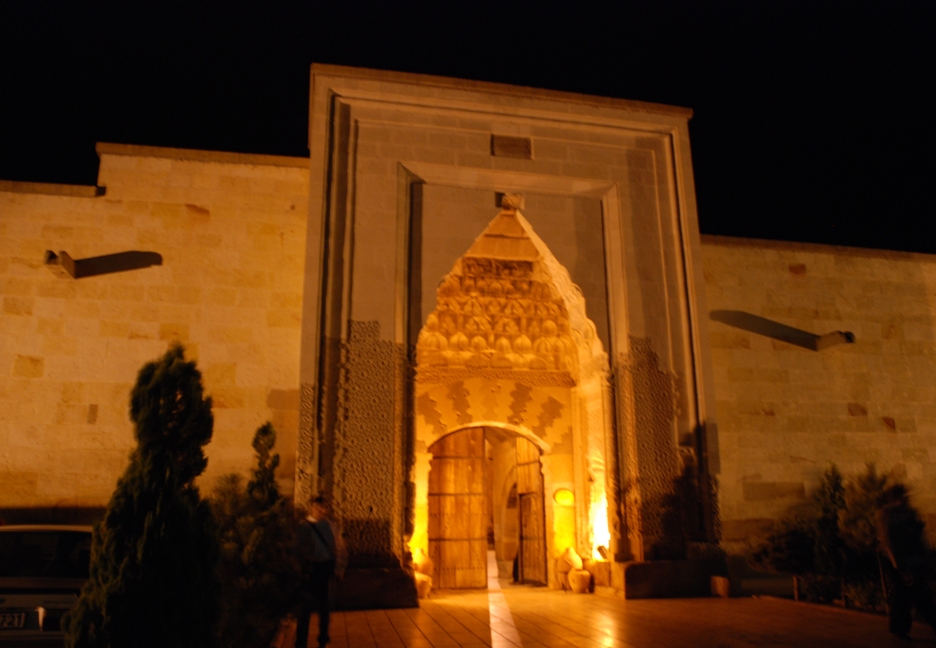
The Last Sultan Caravanserai of the Silk Road: Sarıhan in Avanos
A composite plan scheme with an open courtyard and enclosed sections, a pavilion mosque accessible via a staircase from the portal side, and two-colored tuff stonework that repeats Seljuk sultan caravanserai traditions, built by Sultan II. Izzetdin Keykavus in 1249 on the Nevşehir-Kayseri route.
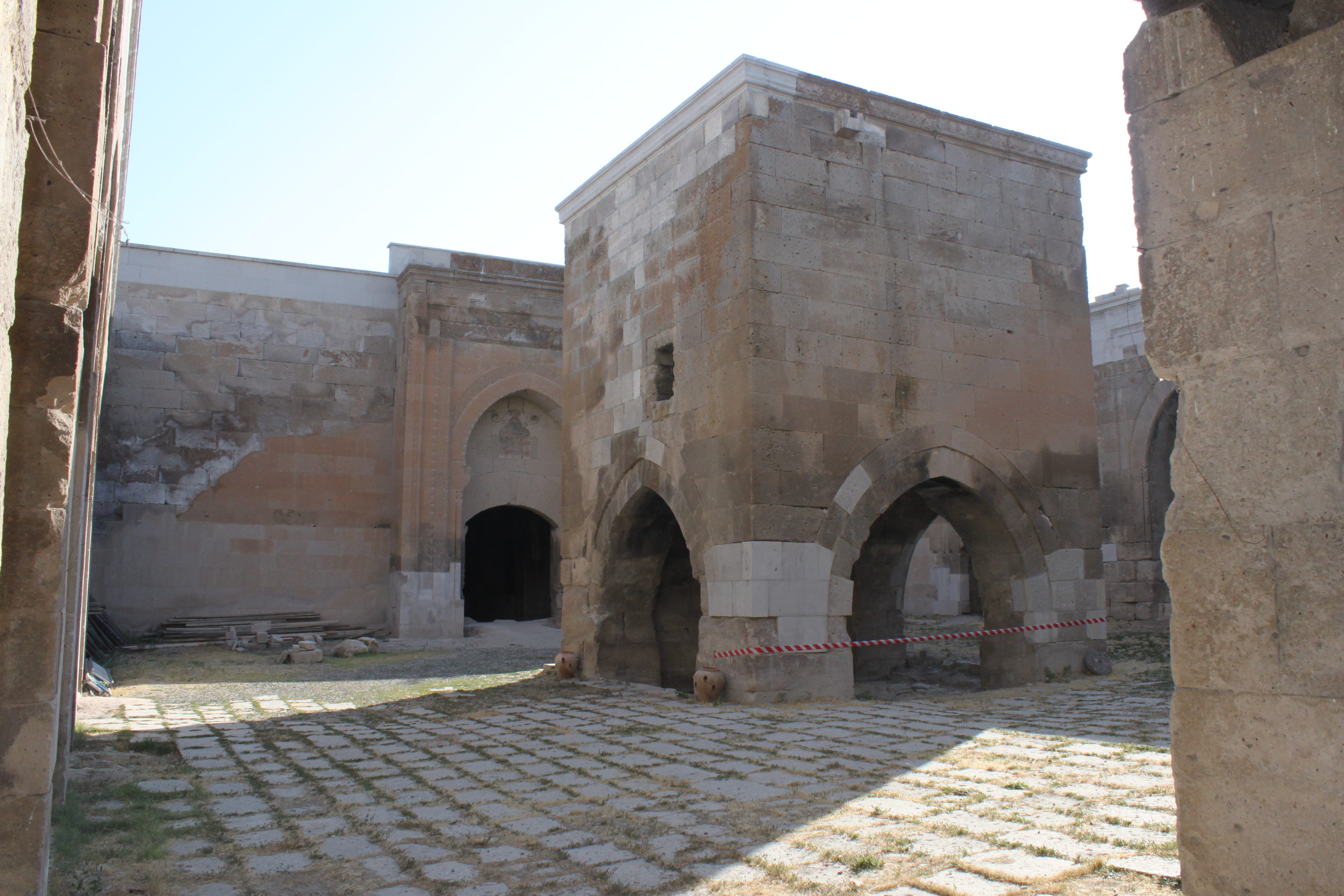
The Geometric Fortress of Ağzıkara Han Caravanserai
Built between 1231-1237 on the Aksaray-Kayseri route, Ağzıkara Han is the Seljuk caravanserai most resembling a fortress due to its heavy piers, corner towers, elevated kiosk mosque, and geometric stone ornamentation.
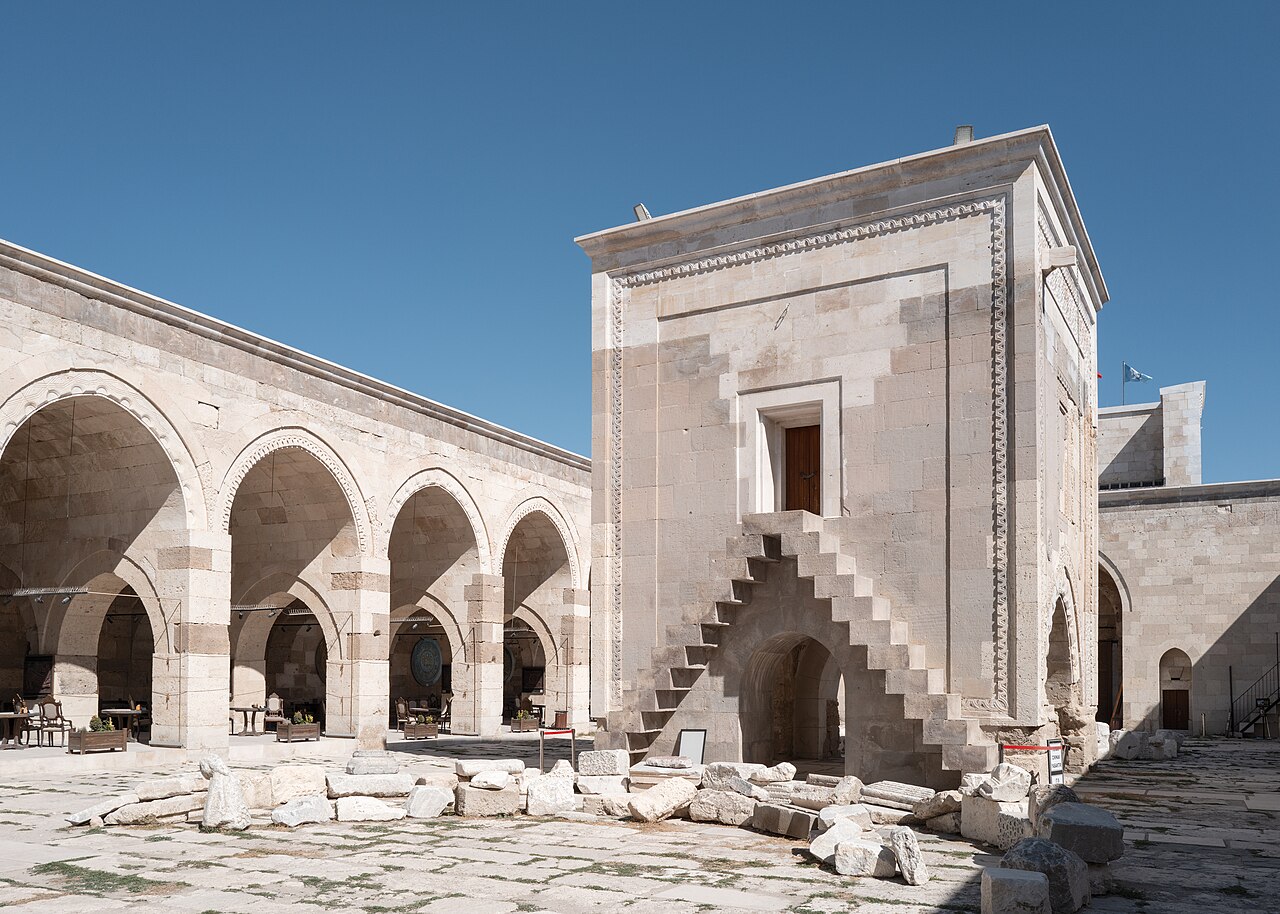
Konya–Aksaray–Kayseri Historical Caravan Corridor: The Stone Fortresses of Bozkır
The 380-kilometer Silk Road route from the wooden-pillared Eşrefoğlu Mosque on the shores of Lake Beyşehir to Aksaray Sultan Han, thence to Kayseri’s Döner Kümbet and Karatay Han.
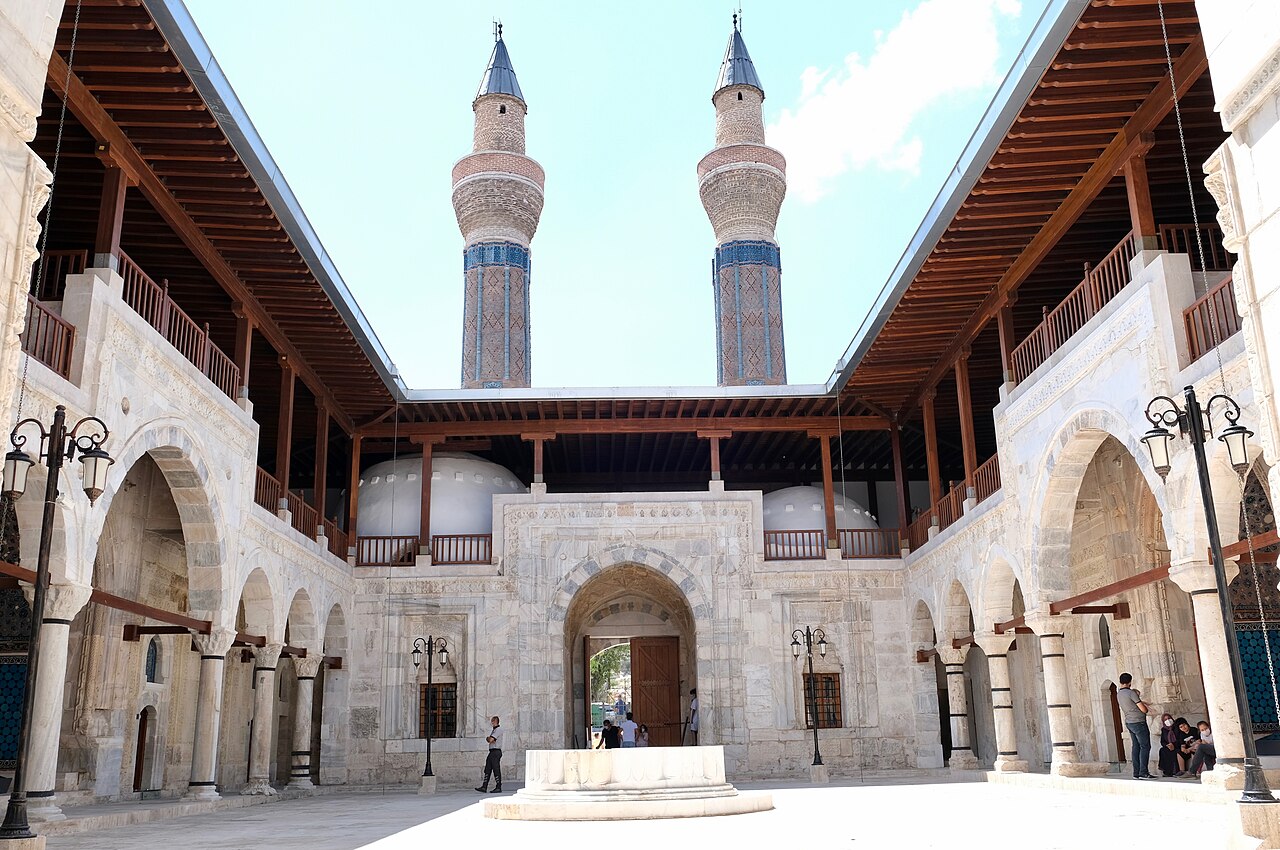
Sivas Seljuk and Mengücek Heritage Corridor: Traces of Stone and Glazed Tiles in the Steppe
A two-day cultural and architectural corridor connecting Sivas Gökmedrese's turquoise and lapis lazuli glazed twin minarets with Güdük Minare's brick cylinder, then to Mengücek's masterpiece Divriği Dârüşşifası.
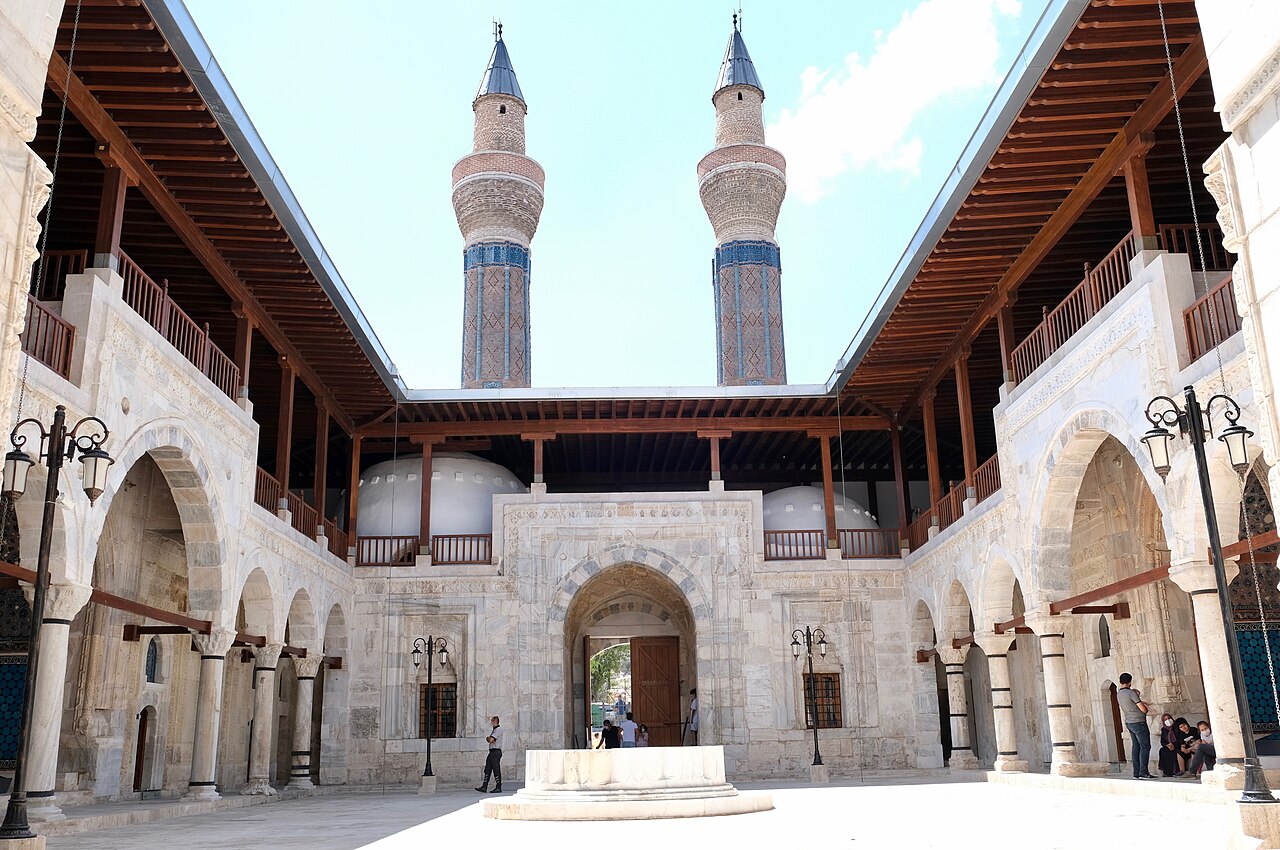
Sivas Gökmedrese (Sâhibiye Medresesi)
A 1271 monument by the Seljuk vizier Sâhib Ata; featuring a Kālûyân-signed portal, lapis lazuli-glazed twin minarets, carved tree of life motif, and open courtyard [1].
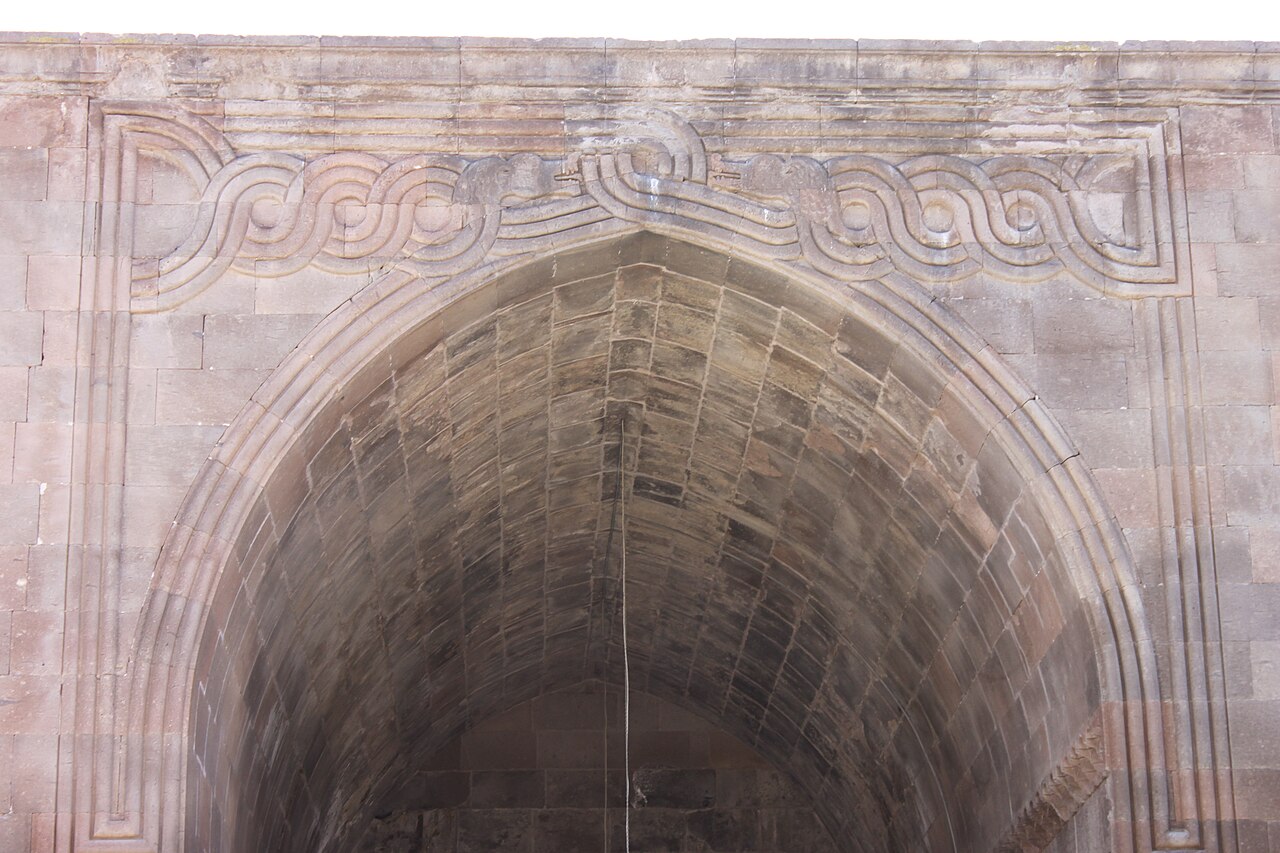
Bünyan Karatay Hanı
Monumental caravanserai on the Kayseri-Malatya caravan route, constructed by Celâleddin Karatay in 1240, featuring human and animal reliefs on its portal, hamam, and eighteen supporting towers [1, 2].
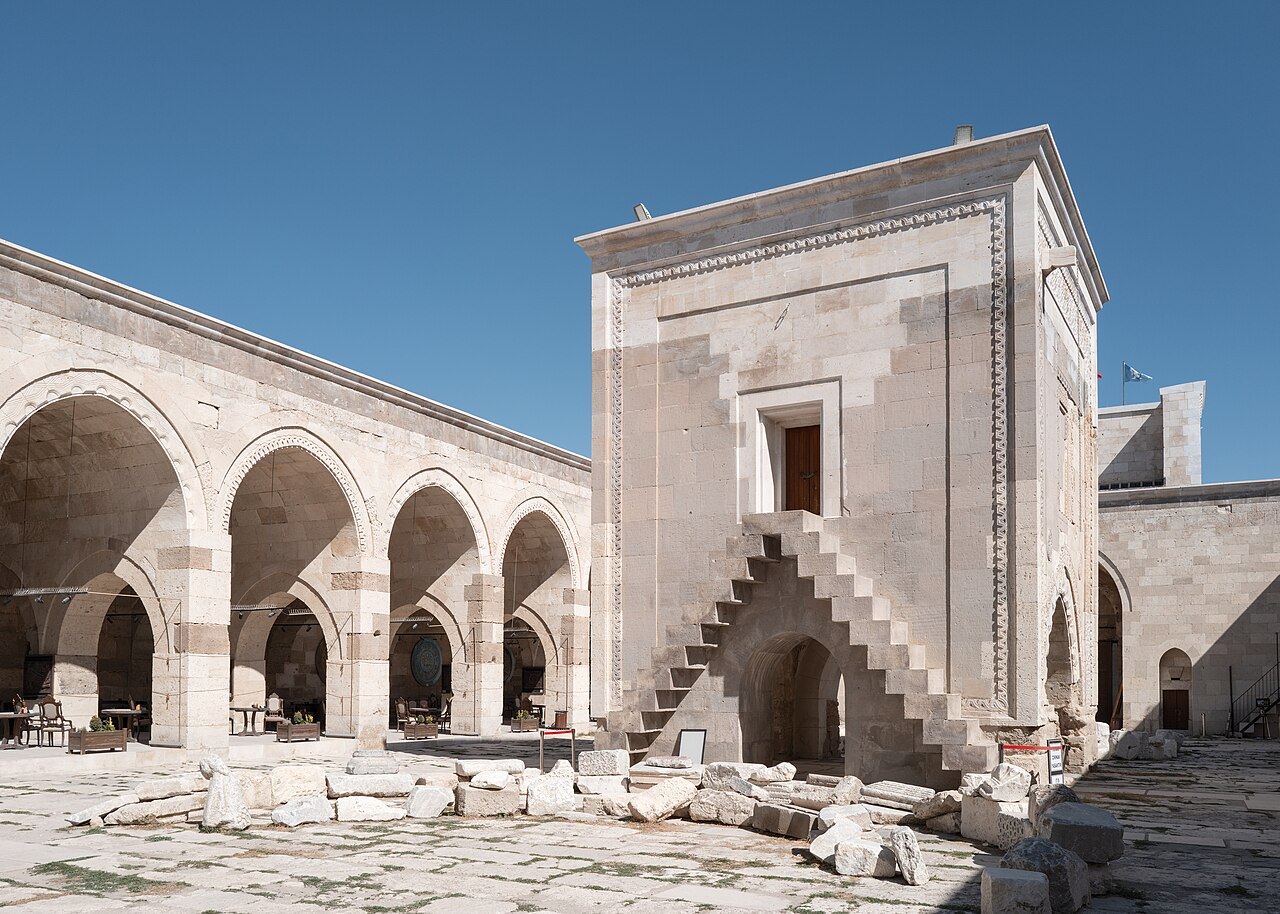
Aksaray Sultan Han
The grandest Seljuk caravanserai constructed in 1229 by Sultan I. Alâeddin Keykubad, featuring a two-colored marble portal, central elevated kiosk mosque, and a 32-pier vaulted winter hall.
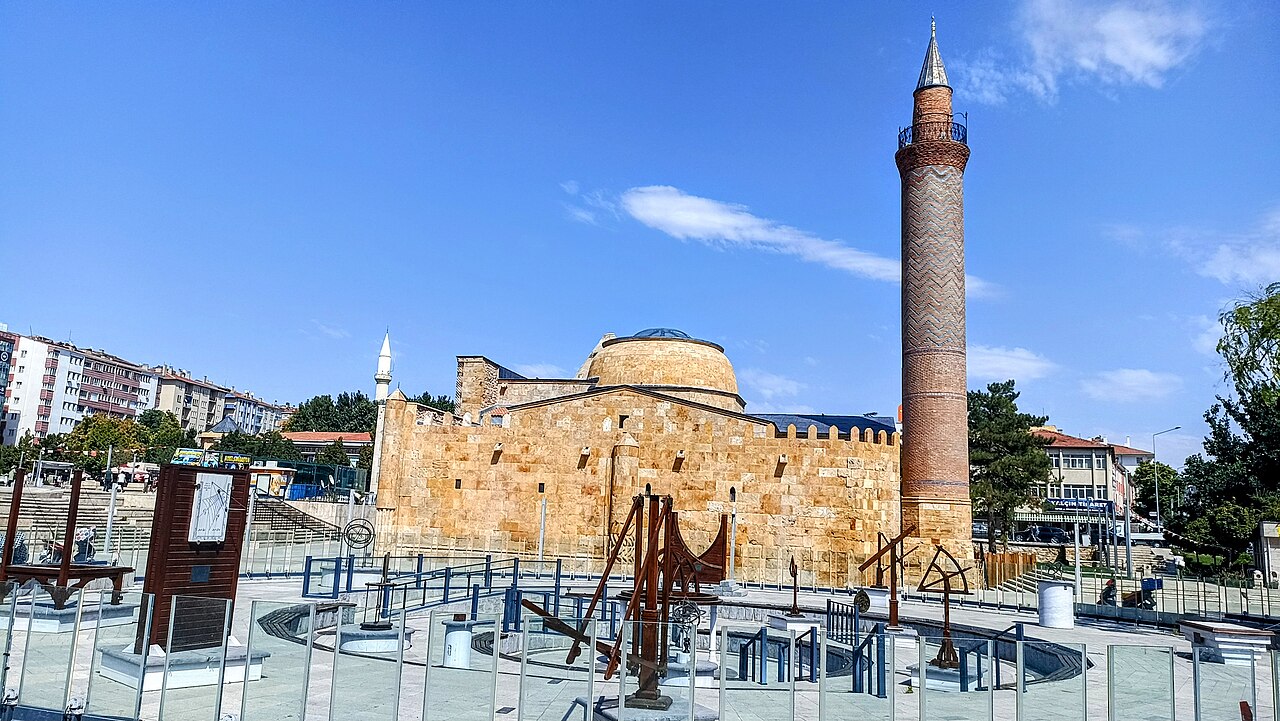
Cacabey Medrese
Seljuk closed courtyard medrese plan, luminous lanterned dome, şadırvan water well, turquoise-glazed minaret, and 1272 Mongolian-Arabic waqf charter make it a Kırşehir provincial monument.
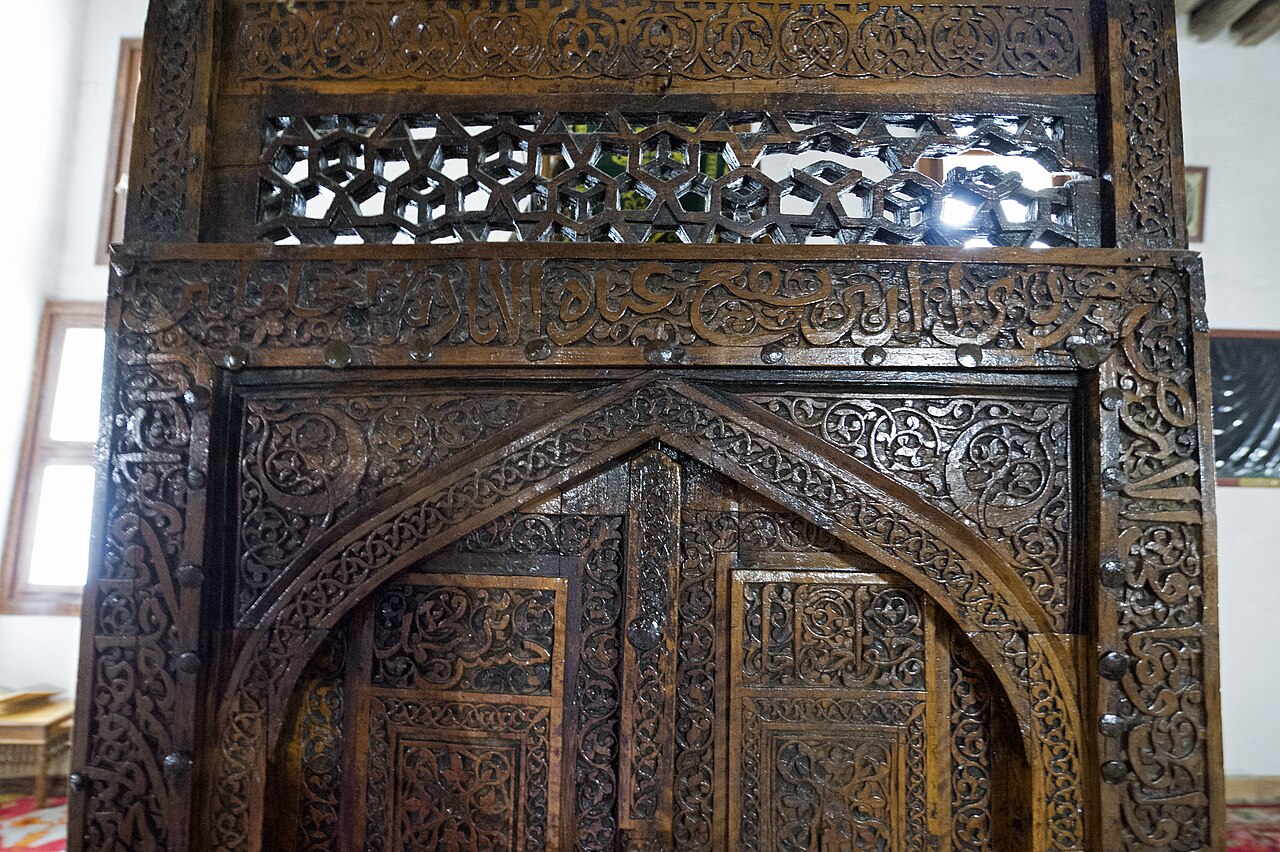
Sivrihisar Great Mosque
UNESCO World Heritage Seljuk hypostyle mosque with sixty-seven monumental wooden columns, spolia Corinthian capitals, and a 1245 CE kündekâri minbar.
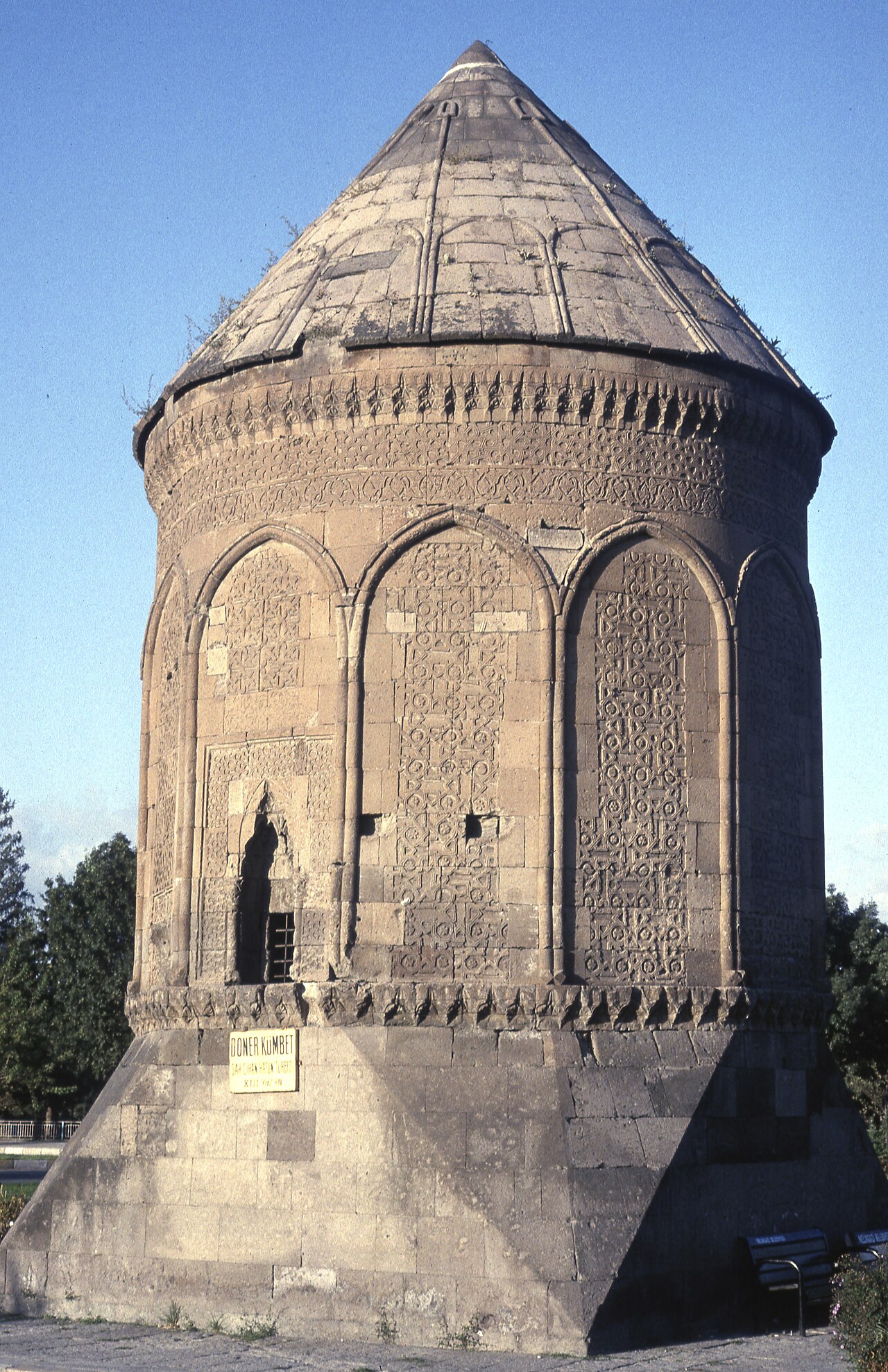
Kayseri Döner Kümbet: Şah Cihan Hatun's Monumental Seljuk Mausoleum
The 14th-century Döner Kümbet in Kayseri Melikgazi, rising along the Talas Road, is a masterpiece of Anatolian Seljuk funerary architecture, characterized by its dodecagonal body, conical stone dome, human-headed sphinxes, tree of life motif, and double-headed eagle reliefs.